
Positive Cat Training Techniques for a Healthy Fun Bond
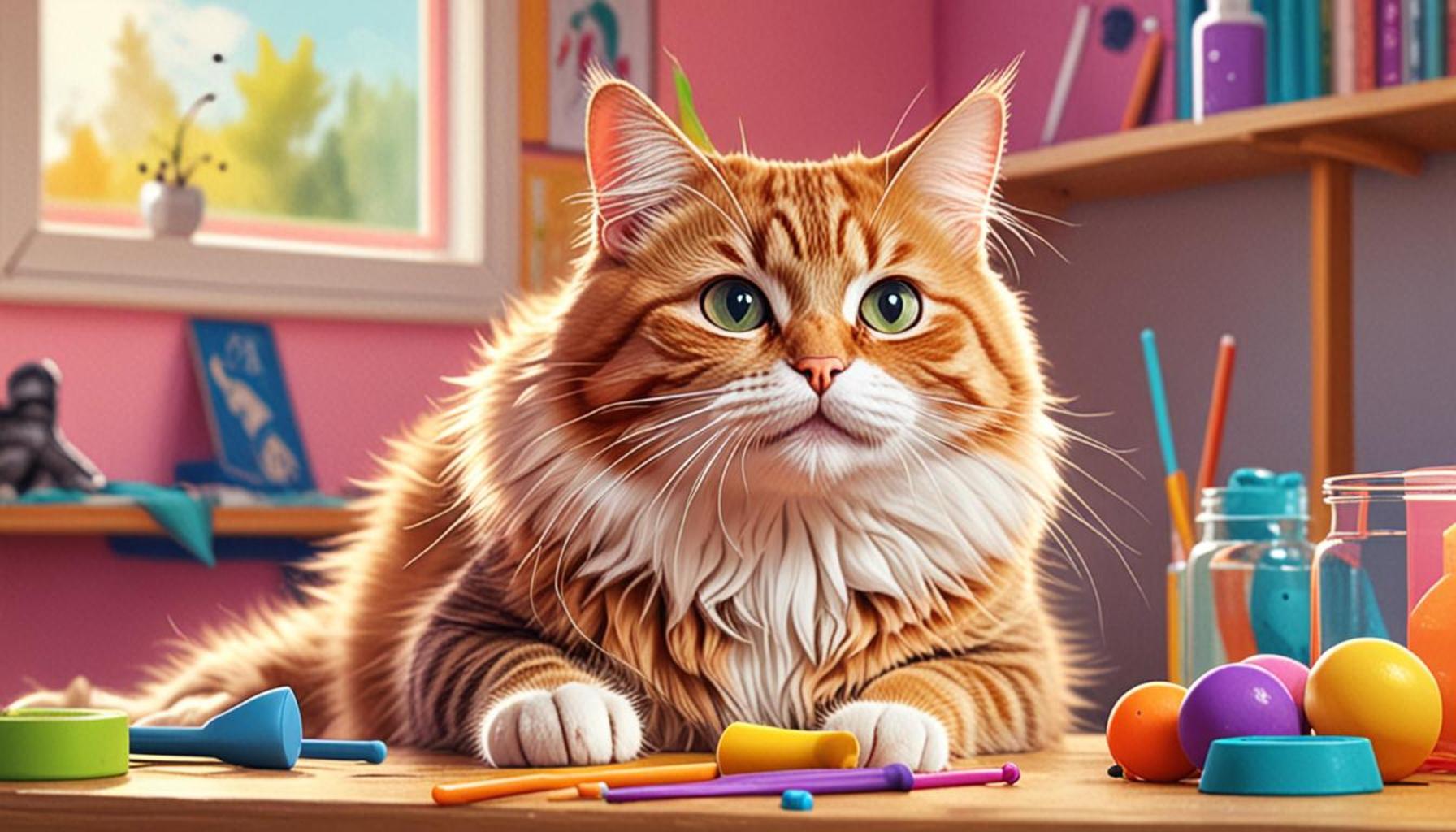
The bond between cats and their humans can be enriched through effective training techniques. Utilizing positive reinforcement not only enhances your connection with your feline friend but also leads to a more harmonious living environment. With a growing understanding of animal behavior, more pet owners are discovering that training isn’t just for dogs; cats can thrive through learning too.
Implementing positive training methods brings numerous benefits, including:
- Improved behavior: Training helps prevent undesirable actions like scratching furniture.
- Enhanced communication: A well-trained cat is better at responding to cues.
- Increased mental stimulation: Engaging activities keep cats mentally active and healthy.
As you embark on this rewarding journey, we’ll guide you through the Top 5 positive training techniques that can transform your relationship with your cat into a joyful partnership. Get ready to learn and have fun in the process!
Top 5 Positive Training Techniques for Cats: Building a Healthy and Fun Relationship
Training cats often appears to be a challenging endeavor; nonetheless, with the appropriate techniques, it can transform into a stimulating and gratifying journey for both the feline and the owner. Positive training techniques are intricately designed to cultivate a robust bond, ensuring that the learning environment stays secure and enjoyable. Here, we present our meticulously crafted ranking of the top five techniques for effective positive training of your feline companion.
5. Clicker Training: The Basics of Communication
Among the plethora of training methods, clicker training stands out as one of the most popular for reinforcing positive behavior. Employing a small handheld device, typically a clicker, which emits a consistent clicking sound, cat owners can efficiently communicate desirable actions to their pets. The process engages both the cognitive and auditory senses of the cat, allowing for a clear understanding of expected behaviors. Here’s how to begin:

- Introduce the clicker sound in a calm, distraction-free environment while rewarding your cat with a treat. This initial step is crucial; it establishes the association between the click and the treat in your cat’s mind.
- Once your cat begins to associate the sound with receiving a treat, use the clicker to mark desired behaviors promptly. Immediate feedback is vital to ensure your cat connects the action with the reward.
- Gradually transition from simple actions to more complex behaviors such as ‘sit,’ ‘high five,’ or even ‘come.’ Patience and consistency are key as you incrementally raise the difficulty level.
What makes clicker training exceptionally effective is its ability to establish a precise communication channel between you and your cat. Unlike verbal cues, which can sometimes be misinterpreted, the clicker provides a clear, unambiguous signal of approval, paving the way for more advanced training sessions.
4. Treat-Based Incentives: The Power of Rewards
The use of treat-based incentives draws from fundamental principles of behaviorism, particularly operant conditioning, which posits that behaviors followed by rewards are more likely to be repeated. Offering your cat a delectable treat as a reward can significantly enhance their motivation to engage in the desired behavior. Here’s an effective way to implement treat-based training:
- Select high-value treats that are both tempting and appropriate for your cat’s dietary needs. These could range from small morsels of cooked chicken to specially made cat treats.
- Consistency is critical; provide the treat immediately after the desired behavior. This immediacy helps cement the connection between the action and the rewarding consequence in your cat’s mind.
- Gradually decrease the frequency of the treats as your cat becomes adept at the behavior. This reduces dependency on treats while maintaining the behavior through intermittent reinforcement.
This method not only fosters a repeat of positive behavior but also strengthens the bond between you and your cat. The anticipation of a reward turns the training sessions into an enjoyable activity that both look forward to, promoting an atmosphere of mutual satisfaction and respect.
3. Target Training: The Pinpoint Approach
Target training is akin to a game of seek and touch, where the cat is encouraged to follow or touch a specific target. This method is particularly advantageous for teaching precision, allowing for pinpoint accuracy in steering desired behaviors. The following steps illustrate how to successfully execute this approach:
- Introduce the target object—often a stick or your finger—to your cat, encouraging exploration. Curiosity naturally gets the better of cats, and they will likely approach the target out of interest.
- Once your cat makes contact with the target, immediately reward the action. This prompt reward reinforces the target-touching behavior.
- Progressively challenge your cat by increasing the distance or complexity of the commands, such as touching the target while navigating around obstacles.
With consistent practice, target training can lead to a range of advanced activities, enhancing both the mental acuity and physical agility of your cat. This method is particularly useful for training cats to perform tricks or to acclimate them to walking on a leash, thereby expanding their world beyond the confines of the home.
2. Behavior Shaping: Small Steps to Big Changes
Behavior shaping is an advanced training technique that advocates for incremental progress by breaking down complex behaviors into smaller, manageable tasks. This strategy is particularly effective for intricate or challenging behaviors. Here’s how to utilize behavior shaping:
- Clearly define the final behavior or goal you wish your cat to achieve, such as performing a trick or adapting to a new routine.
- Deconstruct the end goal into smaller steps, each progressively leading closer to the desired outcome. Each step should represent a noticeable advance from the previous.
- Promote and reward each step toward the ultimate goal, ensuring that your cat feels accomplished and motivated with every success.
The philosophy behind behavior shaping is rooted in patience and resilience, both for the cat and the owner. This method fosters a deeper connection built on trust and mutual growth, as each small victory leads both parties closer to larger accomplishments.
1. Positive Reinforcement: The Foundation of Training
Positive reinforcement is the most encompassing training technique, laying the groundwork for all others by rewarding desired behaviors rather than punishing unfavorable ones. The key to positive reinforcement is to make learning a safe and rewarding experience for your cat. Key elements of positive reinforcement include:
- Provide immediate rewards to reinforce the desired behavior, ensuring that the reward directly follows the action to strengthen the connection between the two.
- Vary rewards—alternating between treats, verbal praise, and playtime—to keep your cat engaged and motivated. Diversity in rewards also helps maintain your cat’s interest over long training periods.
- Ensure that training sessions are held in a positive, stress-free atmosphere, focusing on encouragement and praise to make learning enjoyable.
This foundational technique not only facilitates effective learning but also nurtures a joyful, trusting relationship between you and your feline friend. By creating a harmonious and loving training environment, positive reinforcement ensures that the bond you share with your cat is one built on mutual respect and affection.
Adopting these top positive training techniques can transform how you interact with your feline friend, leading to a relationship that is both healthy and fun. Consistency, along with patience and the willingness to adapt your approach according to your cat’s unique personality, will lead to successful training and a deeper bond. For cat owners seeking a closer, more understanding bond with their pets, these techniques offer a pathway to a well-behaved and happy pet companion.
| Category | Details |
|---|---|
| Positive Reinforcement | This method emphasizes rewarding desired behaviors rather than punishing undesirable ones, thus fostering a happier and more confident cat. |
| Strengthened Bond | Through consistent training, owners can develop a deeper connection with their cats, enhancing trust and communication within the relationship. |
| Mental Stimulation | Engaging your cat in training sessions provides crucial mental challenges that can prevent boredom and encourage natural instincts, leading to a more fulfilled pet. |
| Behavioral Modification | Training helps in correcting unwanted behaviors in a gentle and non-traumatic way, ensuring your cat remains happy while learning to adapt to your household’s norms. |
The world of cat training through positive reinforcement encompasses a variety of techniques that not only improve a cat’s behavior but also strengthen the bond between pet and owner. One of the cornerstones of this approach is the concept of Positive Reinforcement. This method revolves around rewarding your cat for good behavior, making it more likely that such behaviors will be repeated. For instance, rewarding a cat with treats or praise when it uses its scratching post instead of the sofa encourages that behavior and helps the cat associate training with positive experiences.In addition, this approach leads to the Strengthened Bond between the owner and the cat. Training sessions become a time of interaction and play, where the cat learns to trust its owner. This dynamic opens a line of communication that becomes vital as your cat becomes more in tune with your cues and commands. Moreover, incorporating training not only fosters a relationship but also provides essential Mental Stimulation. Just like humans, cats can suffer from boredom, which can lead to destructive behaviors. Engaging in training exercises helps keep their minds sharp and active, requiring them to think critically and problem-solve. Activities such as clicker training or teaching tricks can stimulate their minds and preferences, enhancing their overall well-being.Finally, one of the most beneficial aspects of positive reinforcement is its impact on Behavioral Modification. Cats, like all pets, have their quirks and bad habits. Instead of resorting to punishment, which can lead to confusion and stress for the animal, positive training techniques encourage better behavior through understanding. By setting clear expectations and rewarding positive actions, owners can significantly reduce unwanted behaviors without instilling fear or anxiety in their pets. This holistic approach to training not only promotes a happier household but also fosters a stronger relationship built on trust and respect.
Frequently Asked Questions about Positive Training Techniques for Cats
What are positive training techniques for cats?
Positive training techniques for cats involve methods that use reward-based reinforcement rather than punishment. These techniques focus on encouraging good behavior by offering treats, praise, or toys as rewards. This approach aims to build a trusting and enjoyable relationship between you and your feline friend.
Why is positive reinforcement important in cat training?
Positive reinforcement is essential because it helps cats learn in a way that enhances their natural curiosity and intelligence. This method reduces stress and fear, promoting a happier and healthier environment for your cat. Additionally, it strengthens the bond between the owner and the cat by fostering mutual respect and understanding.
Can any type of cat be trained using positive techniques?
Yes, any cat can benefit from positive training techniques. While some cats may require more patience due to their unique personalities or backgrounds, positive reinforcement is versatile and adaptable for cats of all ages and breeds. It’s essential to understand your cat’s preferences and tailor the training to their individual needs.
What are some examples of rewards that can be used in positive training?
Rewards can vary based on your cat’s preferences, but generally, they include treats, verbal praise, petting, or the use of favorite toys. Some cats might respond well to a play session as a reward. The key is to identify what motivates your cat and use it consistently to encourage desired behaviors.
Are there common mistakes to avoid when training cats with positive techniques?
One common mistake is expecting immediate results. Training requires patience and consistency. It’s important to avoid using punishment, as it can create anxiety and hinder the learning process. Additionally, be sure to keep training sessions short and enjoyable to maintain your cat’s interest and engagement.
Conclusion
In exploring the transformative potential of positive training techniques for cats, we uncover a pathway to nurturing not just pet behavior but the very essence of the bond between human and feline. These methods, which emphasize rewards and encouragement over corrections, serve as a crucial foundation for developing a healthy and joyful relationship with our feline companions. By focusing on patience and consistency, pet owners can drive impactful changes in their cat’s behavior, leading to a more harmonious and less stressful household environment.
Key Takeaways
- Communication is Key: Understanding your cat’s body language and vocal signals is fundamental for effective training.
- Rewarding Good Behavior: Utilize treats and affection to reinforce positive actions, making learning an enjoyable experience for your cat.
- Puzzle and Play: Engage your cat with interactive toys that stimulate both mental and physical activity, fostering curiosity and reducing anxiety.
- Socialization: Introducing your cat to new experiences with positive reinforcement can prevent behavioral issues and improve adaptability.
- Consistency Matters: A routine approach ensures that the training experiences remain relevant and effective over time.
The importance of integrating these positive techniques into daily routines cannot be overstated. Not only do they promote a stronger emotional connection between pets and owners, but they also create an environment where both parties can thrive. As more cat owners embrace these training methodologies, the potential for research and discovery in feline behavior expands, promising a future where the often-misunderstood nature of cats is more deeply appreciated and celebrated. As a reader, consider delving deeper into this enriching approach, exploring further resources to enhance your relationship with your feline friend.