
The Role of Pet Adoption Programs in Reducing Neglect and Abuse

The Role of Pet Adoption Programs
Every year, millions of animals find themselves in shelters, victims of abandonment and neglect. These pet adoption programs serve a vital role in not only providing homes for these animals but also in educating the public about responsible pet ownership. By fostering a culture of compassion, these initiatives can significantly reduce instances of abandonment and abuse.
Understanding the impact of these programs sheds light on their importance in animal welfare. Consider the following key points:
- Reduction of Overpopulation: Adoption creates space in shelters for more animals in need.
- Community Engagement: Many programs involve local communities to promote awareness and outreach.
- Educational Resources: They often provide training and resources to prepare new pet owners.
- Health and Welfare: Adopted pets are typically vaccinated and spayed/neutered to promote overall health.
- Emotional Benefits: Adoption offers joy and companionship, enhancing both human and animal lives.
This article will delve deeper into the remarkable achievements of pet adoption programs and present the Top 5 initiatives making a difference today. Read on to discover how you can contribute to this heartwarming cause.
The Importance of Animal Adoption Programs in Reducing Abandonment and Cruelty
In today’s society, the plight of abandoned pets often goes unnoticed, leading to an urgent need for effective animal adoption programs. These initiatives play a crucial role in not only providing homes for countless animals but also addressing significant issues of animal cruelty and abandonment. This article delves into the top five reasons why animal adoption programs are indispensable for mitigating these challenges, ranked from the least to the most significant.
5. Educational Outreach Initiatives
A key component of animal adoption programs is their commitment to educating the public about responsible pet ownership. Many organizations engage in outreach initiatives aimed at informing potential pet owners about what it truly means to take care of a pet. This includes understanding the financial costs associated with veterinary care, food, and other essentials, as well as the time and emotional investment required to nurture and love a companion animal.
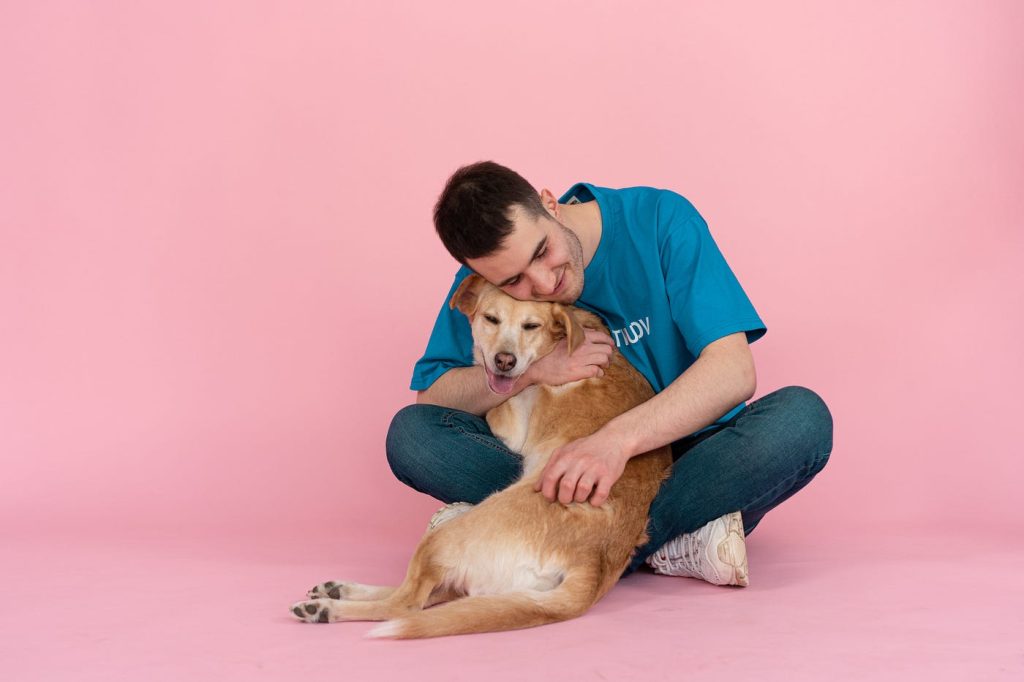
- Workshops that offer practical tips on pet care and welfare, ensuring that new owners are equipped with the knowledge needed to provide a nurturing environment for their pets.
- School programs that focus on teaching children about compassion towards animals, fostering a sense of empathy and care from an early age.
- Community events that highlight the benefits of pet adoption, bringing together animal lovers to share success stories and common challenges.
The ability of these programs to engage communities and instill a sense of responsibility is an indirect but powerful way to combat animal abandonment and abuse. By demystifying what it means to be a pet owner, educational outreach initiatives can significantly reduce the chances of impulsive adoptions that often lead to neglect.
4. Promoting Spay and Neuter Programs
Animal adoption programs often advocate for spaying and neutering pets, recognizing it as a fundamental step in controlling the pet population. These programs frequently partner with veterinarians to offer affordable or even free spay and neuter services in an effort to prevent unwanted litters. Such measures are crucial, as they tackle the root cause of pet overpopulation, which often leads to abandonment and surrender to shelters.
Key objectives of spay and neuter programs include:
- Significantly reducing the number of stray animals roaming the streets, which can lead to various public health concerns.
- Decreasing the costs associated with managing stray populations and the financial burden on shelters and local governments.
- Encouraging responsible pet ownership by educating the community on the benefits of controlling pet reproduction.
The long-term benefits of these initiatives are pivotal in breaking the cycle of neglect and abuse. By preventing the birth of animals who may potentially face homelessness, spay and neuter programs create a sustainable solution to a pervasive problem.
3. Providing Shelter and Care for Abandoned Animals
At the core of animal adoption programs is the mission to provide a safe haven for abandoned and stray animals. Shelters and rescues work tirelessly to offer these animals much-needed medical care, socialization, and rehabilitation, ensuring they are healthy and emotionally ready for new homes. These efforts are critical, as they not only address the immediate needs of these animals but also improve their chances of being successfully adopted.
Shelters often participate in:
- Conducting behavioral assessments to tailor care and adoption plans suited to the individual needs of each animal.
- Fostering community partnerships that provide resources and support, enhancing the shelter’s capacity to care for more animals.
- Operating fostering programs that place animals in temporary homes, reducing stress on shelters and helping pets adjust to life in a domestic environment.
Through these multi-faceted efforts, adoption programs ensure that animals are not merely removed from dangerous situations but are also given the opportunity to thrive in a loving home.
2. Fostering a Culture of Compassion
Adoption programs serve an irreplaceable role in nurturing a culture of compassion and empathy towards animals. Events and drives organized by these programs bring communities together, united under the banner of animal welfare. This cultural shift is vital as it fosters a collective sense of responsibility and care towards our animal counterparts.
Prominent aspects of this cultural transformation include:
- Offering volunteer opportunities at shelters, turning compassionate individuals into active participants in animal welfare.
- Highlighting adoption success stories that resonate with individuals, inspiring more people to consider adoption.
- Engaging local businesses to sponsor and participate in adoption events, increasing visibility and community involvement.
By cultivating an environment where empathy and compassion are the norm, these programs create a ripple effect in the community, challenging and changing public attitudes towards adoption and responsible pet ownership.
1. Reducing the Rates of Euthanasia
The most profound impact of animal adoption programs is their power to reduce euthanasia rates among abandoned and stray animals. With effective adoption programs in place, shelters can better manage their populations, ensuring more animals find forever homes rather than facing a tragic fate. Every successful adoption signifies a victory against the needless loss of life.
Statistics from regions with organized and robust adoption efforts have shown a significant decline in euthanasia rates due to:
- Increased public awareness about the importance and process of adopting pets, leading to higher adoption rates.
- Strategic partnerships with spay and neuter programs that reduce the influx of new, homeless animals.
- Enhanced adoption programs that streamline the process, making it easier and more appealing for potential pet owners.
This remarkable outcome not only saves lives but also demonstrates the sustaining superiority of adoption programs in addressing the systemic issues of animal abandonment and cruelty. By bringing animals and people together, these programs not only transform the lives of the pets they save but also enrich the human lives they touch, advocating for a future where every animal has a safe, loving home.
| Category | Description |
|---|---|
| Public Awareness Campaigns | These initiatives aim to educate the community about the long-term responsibilities of pet ownership and the importance of adopting animals instead of purchasing them. Such campaigns help decrease abandonment rates. |
| Support for New Owners | Programs often include resources and guidance for new pet owners, such as training classes and veterinary services, to ensure that adopted animals adapt well to their new homes, decreasing chances of eventual abandonment. |
| Community Involvement | Involvement of local volunteers and organizations fosters a sense of community responsibility, as people come together not only to adopt but to help care for and support abandoned animals, thereby creating compassionate networks. |
| Legislation and Policy Changes | Effective programs often advocate for stronger animal protection laws, which can lead to harsher penalties for abandonment and abuse, deterring such actions and fostering a culture of empathy and respect for animals. |
Frequently Asked Questions about Animal Adoption Programs
How do animal adoption programs contribute to reducing abandonment and mistreatment?
Animal adoption programs play a crucial role in connecting homeless pets with loving families, effectively reducing the number of animals that might otherwise be abandoned or mistreated. By promoting responsible pet ownership and providing education on the importance of sterilization, these programs help decrease overpopulation and alleviate the burden on shelters. Statistics show that adoption programs can significantly reduce the rates of euthanasia in shelters, thereby contributing to a decrease in animal mistreatment.
What challenges do adoption programs face in their efforts to prevent animal cruelty?
Despite their importance, animal adoption programs often grapple with several challenges such as limited funding, lack of public awareness, and overcrowded shelters. Moreover, finding suitable homes for all animals can be difficult. Some animals require special care due to physical or behavioral issues, which might deter potential adopters. Public misconceptions about shelter animals being of low quality or having behavioral problems can also hinder adoption rates.
Are there proven benefits of adopting animals as opposed to buying from breeders?
Adopting animals from shelters is not only a compassionate choice, but it also brings numerous benefits. Adopted pets are usually vaccinated, spayed, or neutered, which can save new owners substantial veterinary costs. Additionally, adoption fees generally support organizations dedicated to animal welfare, providing housing and medical care to more animals in need. Furthermore, by adopting, individuals are not supporting illegal or unethical breeding practices, thereby discouraging animal cruelty in the breeding industry.
How can communities support animal adoption programs to enhance their effectiveness?
Communities can support adoption programs by volunteering at local shelters, participating in fundraising events, and spreading awareness about the benefits of adopting rather than purchasing pets. Encouraging friends and family to consider adoption when they are ready for a pet can also make a significant impact. Advocating for policies that promote responsible pet ownership and spaying/neutering is another way communities can help reduce abandonment and abuse.
Conclusion
Throughout our exploration of the importance of animal adoption programs, it is clear that these initiatives play a critical role in addressing the issues of abandonment and mistreatment. By providing a direct route for rescuing animals from dire situations, adoption programs not only offer a second chance at life but also promote responsible pet ownership.
The data provided in various studies underscores how adoption efforts actively contribute to reducing the number of animals left in shelters. These programs significantly lessen the burden on animal care facilities, allowing for better resource allocation and enhanced animal welfare. Furthermore, educating the public about the benefits of adoption fosters a compassionate culture that, in turn, reduces instances of abuse.
Through this examination, we recognize that community involvement and supportive legislation are pivotal in driving the success of adoption programs. By engaging more members of the community and lobbying for progressive animal protection laws, we can create a brighter future for countless animals. Such strategies ensure that the cycle of neglect and abandonment is broken.
Ultimately, the symbiotic relationship between animals and their human companions is invaluable. Adoption programs not only save lives but enrich ours, reminding us of the shared responsibility toward the creatures that coexist with us. As we continue to support and develop these programs, we pave the way for a more humane world, encouraging further investigation and innovation in the field of animal welfare.