
Challenges and Solutions in Implementing Effective Pet Adoption Programs

Challenges Facing Pet Adoption Programs
The heartwarming image of a pet finding a loving home often masks the numerous challenges faced in implementing effective pet adoption programs. Across the United States, shelters and rescue organizations strive to connect every homeless animal with a responsible owner. However, various factors hinder the success of these initiatives, making pet adoption a complex and multi-faceted issue.
- Lack of awareness: Many potential adopters are unaware of local shelters and the benefits of adoption. Data suggests that up to 70% of people considering pet ownership do not know about the abundance of adoptable pets in their area. This disconnect is particularly evident in rural regions where shelters may be underfunded and less advertised compared to larger urban centers.
- Financial constraints: Adoption fees and initial care costs can deter interested families. The average adoption fee in the U.S. can range from $50 to $200, depending on the pet’s age, health, and breed. Additionally, initial veterinary care, including vaccinations and spaying/neutering, can add several hundred dollars to the costs, deterring families already facing financial difficulties.
- Misconceptions: Stigmas surrounding shelter pets contribute to hesitance in adoption. Many people harbor beliefs that shelter animals are ‘damaged’ or problematic, overlooking the fact that many were surrendered due to circumstances beyond their control, such as owner relocation or financial hardship. This widespread misconception fosters bias against adopting from shelters.
Effective Solutions to Promote Pet Adoption
In light of these hurdles, it becomes essential to explore effective solutions that can promote successful adoptions and enhance community engagement. Organizations must innovate their approaches to meet the diverse needs of prospective pet owners. Consider the following strategies:
- Community outreach: Increased visibility through local events and social media campaigns can drive awareness. By hosting adoption fairs and pet parades, shelters can engage with the community directly. Furthermore, successful social media initiatives showcasing adoptable pets with heartwarming stories can resonate with potential adopters, increasing visibility.
- Adoption subsidies: Financial assistance programs can alleviate cost barriers for low-income families. Initiatives where local businesses sponsor adoption fees offer a win-win solution. For example, the “Adopt a Shelter Pet” program in Los Angeles provides no-cost adoptions during select months, aiming to increase the number of pets placed in homes.
- Education initiatives: Workshops and informational seminars can dispel myths and encourage responsible ownership. By educating potential adopters about the joys and responsibilities of pet ownership, organizations can ensure that families are prepared for the long-term commitment. Programs like “Paws for Reading,” which encourages children to read to shelter pets, simultaneously teach kids about empathy and animal care.
As we delve deeper into these prominent challenges and viable solutions, it becomes evident that transforming the future of pet adoption programs is not only necessary but achievable. By addressing awareness, financial barriers, and misconceptions, we can pave the way for more animals to find loving homes and create stronger communities centered around responsible pet ownership.
LEARN MORE: Click here to discover how to help pets adjust to their new homes
Understanding the Barriers to Pet Adoption
As pet adoption programs forge ahead in their mission to connect shelter animals with loving homes, several barriers persist that inhibit their progress. To truly comprehend these challenges, we must delve into the core issues impacting the effectiveness of adoption programs across the United States.
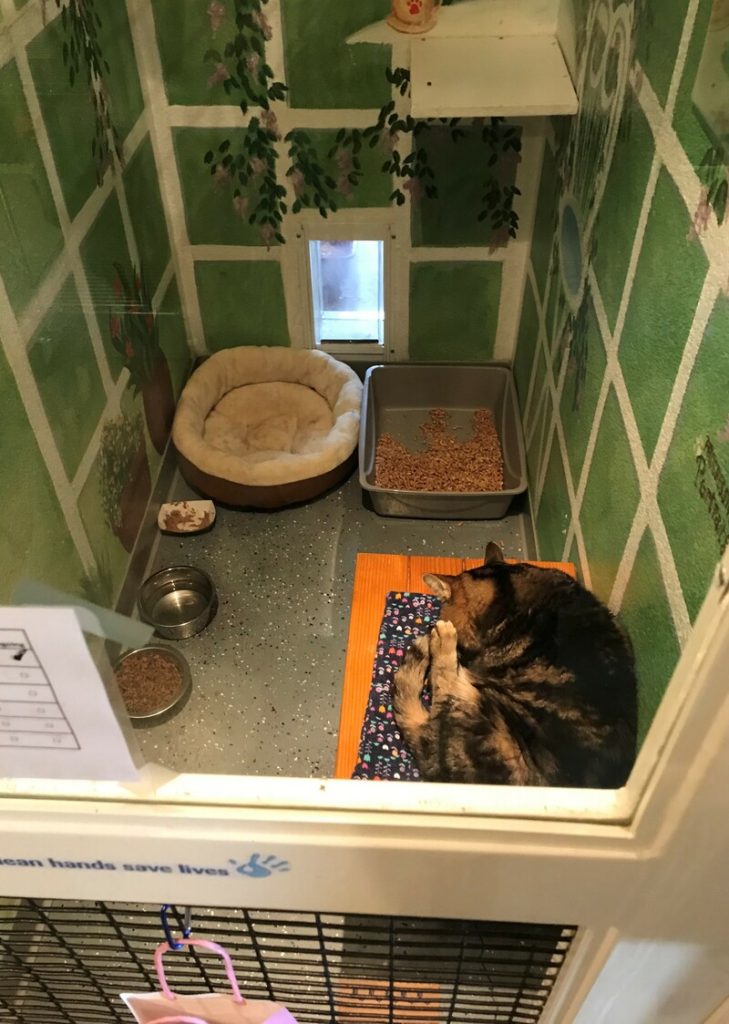
- Limited Shelter Capacity: Many shelters operate at or beyond their capacity, resulting in overcrowding and strain on resources. Reports reveal that approximately 6.5 million companion animals enter U.S. shelters annually, but only around 3.2 million are adopted. This imbalance leaves many animals facing long waits, reducing their chances of finding a home and increasing the likelihood of euthanasia.
- Behavioral Issues: Animals in shelters often experience stress and anxiety, leading to behavioral challenges that can make them less adoptable. It’s crucial to understand that many pets display specific behaviors due to their past experiences rather than inherent traits. Training and behavior modification programs at shelters can help, but these require funding and knowledgeable staff, which are often in short supply.
- Geographic Disparities: Pet adoption programs vary significantly from one region to another. Urban areas typically enjoy access to more resources and funding, leading to higher adoption rates. Conversely, rural areas may struggle with fewer adopters and limited outreach efforts. The disparity creates a pressing need for innovative solutions tailored to the unique challenges faced by rural shelters.
- Lack of Inclusivity: Adopting a pet should be a process accessible to all individuals, including those from marginalized communities. However, many shelters have inadvertently created barriers through stringent requirements or language access issues. Inclusive adoption policies that take into account diverse socioeconomic backgrounds can help bridge this gap.
Addressing these barriers requires an understanding of the unique circumstances surrounding each challenge. To effectively champion the cause of pet adoption, stakeholders must engage comprehensively with the issues, ensuring that animals have the best chance of finding their forever families.
Innovative Strategies for Increasing Adoption Rates
In order to counteract these significant barriers, pet adoption programs must embrace innovative strategies that enhance their visibility and efficacy. Adapting to the obstacles at hand is essential for achieving the ultimate goal of placing more animals in permanent homes. The following strategies could be influential in driving positive change:
- Collaboration with Local Businesses: Partnering with local businesses can amplify outreach efforts. Pet supply stores, veterinary offices, and cafés can host adoption events or promote shelter animals, helping to raise awareness and drive foot traffic to shelters.
- Technology Adoption: Leveraging technology, such as adoption apps and websites, can streamline the adoption process and make it easier for potential adopters to find their ideal pet. Virtual meet-and-greets and online profiles with videos can enhance engagement and showcase animals in a compelling light.
- Advocacy and Policy Change: Engaging in advocacy for favorable policies and legislation can have a far-reaching impact on animal welfare and adoption practices. Working towards policies that support low-cost spay/neuter initiatives and funding for shelter upgrades can help improve conditions and increase adoption opportunities.
By implementing these progressive solutions, shelters can address barriers to adoption while fostering a culture of compassion and community involvement. Recognizing the challenges is just the first step; the road ahead is paved with opportunity, leading to a future where every pet has the chance to be embraced by a loving home.
| Challenges | Solutions |
|---|---|
| Public Awareness | Community Engagement Programs |
| Resource Limitations | Collaborative Partnerships |
| Behavioral Challenges of Pets | Training and Support Programs |
Navigating the challenges in implementing effective pet adoption programs can be daunting, yet it’s crucial for improving animal lives. One significant hurdle is the lack of public awareness about the importance of pet adoption, leading to potential pets languishing in shelters. To combat this, developing community engagement programs can help raise consciousness and foster a culture of adoption. Another obstacle is the resource limitations that many shelters face. Collaborating with local organizations, businesses, and volunteers can provide the necessary support and resources for successful adoption initiatives. Moreover, addressing the behavioral challenges of pets is essential in ensuring successful adoptions; implementing training and support programs can help acclimate pets to their new homes and assist adopters in managing their new companions effectively.These proactive solutions pave the way for more successful pet adoption outcomes, ultimately benefiting both animals and communities alike. By focusing on these challenges and their respective solutions, stakeholders can work together to create a more sustainable and effective pet adoption environment.
LEARN MORE: Click here to discover how early socialization affects your dog
Reaching Untapped Audiences
While innovation is key in overcoming the challenges pet adoption programs face, another critical aspect involves engaging untapped audiences. To increase adoption rates across the board, programs must extend their reach to diverse communities that may not typically consider adoption as an option. Here are several methods for capturing the interest of a wider demographic:
- Community Outreach and Education: Investing in educational programs within communities can play a pivotal role in changing perceptions about pet adoption. Workshops, seminars, and school programs that educate individuals about responsible pet ownership, the benefits of adoption, and the realities of shelter animals can cultivate a more informed public. By utilizing local leaders and organizations to disseminate information, shelters can foster trust and generate interest in the adoption process.
- Language and Cultural Accessibility: Pet adoption programs must consider language barriers and cultural differences to create a welcoming environment for all potential adopters. This can involve hiring bilingual staff, translating materials, or collaborating with cultural organizations to reach non-English speaking communities. A more inclusive approach not only broadens the potential adopter pool but also enriches the community by ensuring that more individuals have access to the love and companionship that pets provide.
- Tailored Adoption Events: Historical trends show that traditional adoption events may not always attract a diverse audience. Instead, shelters can develop tailored events targeting specific communities or groups, such as families, seniors, or first-time pet owners. For example, hosting a “family fun day” with kid-friendly activities can provide a laid-back atmosphere, encouraging parents to explore adoption as they enjoy quality time with their children.
Leveraging Social Media for Awareness
The rise of social media platforms presents an unparalleled opportunity for pet adoption programs to increase visibility and engage with potential adopters in dynamic ways. Strategic use of channels like Instagram, Facebook, and TikTok can make a world of difference in reaching younger audiences who may not be familiar with traditional adoption avenues.
- Engaging Content Creation: Creating engaging and shareable content is essential in garnering attention on social media. Highlighting individual pets through fun videos, heartfelt stories, and creative visuals can captivate audiences and encourage them to share these posts within their networks. Adoption stories that emphasize happy endings can particularly resonate with viewers, converting casual observers into potential adopters.
- Influencer Partnerships: Collaborating with pet influencers or local celebrities can further amplify the message of the importance of adoption. By utilizing their platforms, shelters can reach previously inaccessible groups, while these influencers can provide firsthand experiences about the joys of adopting pets.
- Content Diversity: Incorporating various forms of engaging content—from live-streamed Q&A sessions with veterinarians to behind-the-scenes insights into daily shelter operations—can demystify the adoption process. This transparency not only builds trust but also enhances community awareness, making potential adopters feel more comfortable and informed about their choices.
Ultimately, successfully reaching untapped audiences and leveraging social media platforms is fundamental to overcoming the challenges that impede the effectiveness of pet adoption programs. By innovating outreach strategies, shelters can create a broader base of support, driving higher adoption rates while fostering a sense of community around animal welfare.
DISCOVER MORE: Click here to learn about how pet adoption programs make a difference
Conclusion
In conclusion, the journey toward effective pet adoption programs is paved with both challenges and solutions that require innovative thinking and community engagement. By acknowledging the specific obstacles—such as stigma, resource limitations, and lack of accessibility—pet adoption programs can better strategize their outreach and education efforts. Understanding the need to connect with diverse audiences and leverage the power of social media is vital in driving higher adoption rates and fostering a sense of belonging within our communities.
Community outreach initiatives, education programs, and tailored events are crucial in changing perceptions about pet adoption, while bridging language and cultural gaps ensures that every potential adopter feels welcome. Furthermore, utilizing engaging content and influencer partnerships on social media can broaden reach, attract younger demographics, and demystify the adoption process. In an age where digital connection is paramount, these strategies will enable shelters to overcome barriers and expand their adopter base significantly.
Ultimately, by reinforcing a collective commitment to responsible pet ownership and community involvement, we empower individuals to make informed decisions that lead to lifelong, loving relationships with pets. As we continue to adapt and innovate, embracing the full potential of pet adoption programs will not only save animal lives but also create vibrant, pet-friendly communities across the United States.