
The Role of Community Engagement in Enhancing Pet Adoption Programs

The Importance of Community in Pet Adoption
Pet adoption programs are vital in addressing the growing crisis of homeless animals in the United States. With millions of pets entering shelters each year, the role of community engagement becomes crucial to reduce their numbers significantly. When local organizations, residents, and businesses collaborate, the potential for successful adoption efforts increases exponentially. Adoption rates rise when communities actively participate, enabling countless animals to find loving and lasting homes.
Increasing Awareness About Pet Adoption
One of the main pillars of community engagement is the increase in awareness surrounding pet adoption. Many individuals are often unaware of the vast number of animals needing homes in local shelters. Community-driven campaigns—such as informational workshops, school outreach programs, and public service announcements—can effectively inform residents about the plight of homeless pets. For instance, organizations like the ASPCA have successfully conducted “Adopt a Shelter Pet Month” campaigns every October, emphasizing the joys of adopting and showcasing available pets through engaging visuals and heartwarming stories.
Fostering Volunteer Involvement
Communities can further enhance the effectiveness of adoption programs by fostering volunteer involvement. Many shelters rely heavily on volunteers for daily operations, socialization of animals, and event organization. Through local volunteer programs, citizens can contribute their time and skills, creating a sense of ownership over local shelters. For example, college students often engage in community service projects that allow them to work alongside shelters, gaining hands-on experience while helping animals. Such efforts not only improve shelter conditions but also encourage a culture of responsibility towards animal welfare.
Creating Partnerships with Local Businesses
Strategic partnerships with local businesses can provide invaluable resources to support pet adoption initiatives. Many businesses are eager to engage in corporate social responsibility, particularly when it concerns animal welfare. For instance, pet supply stores might host adoption events, offering discounts or free supplies to those who adopt a pet. Local cafes or restaurants can also donate a portion of their proceeds to shelters, fostering a collective community spirit. Significantly, such partnerships can lead to increased foot traffic for businesses while simultaneously elevating the profile of local shelters.
Supporting Fundraising Efforts
Fundraising is another critical aspect where community engagement can make a substantial impact. Shelter operations often depend on donations and grants to survive. By organizing community events—like charity runs, bake sales, or online crowdfunding campaigns—residents can help raise vital funds for local shelters. For example, events like the “Bark for Life” raise funds for shelters while providing family-friendly activities that draw attention and build community spirit.
Changing Perceptions Through Engagement
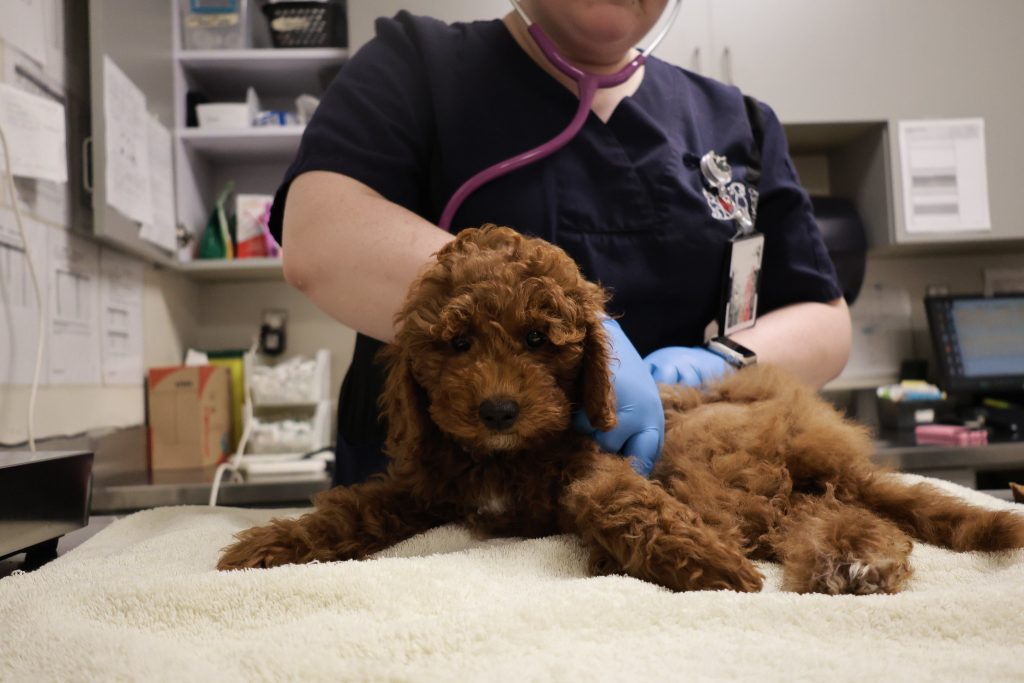
Active community participation also serves to transform public perceptions regarding shelter pets. Many potential adopters hold misconceptions about mixed-breed pets and often overlook them in favor of purebreds. Through initiatives such as storytelling sessions that share the experiences of successful adoptions, or featuring animals with compelling backstories on social media, communities can significantly shift the narrative. Highlighting the value of adopting mixed-breed pets and showcasing how shelter animals can transform lives offers a richer understanding and relationship between potential adopters and the pets in need. Additionally, education about the importance of spaying and neutering helps combat future overpopulation, ensuring a more sustainable approach to pet ownership.
In conclusion, active community engagement is the backbone of successful pet adoption programs across the United States. When communities rally together, they have the power to alter both the lives of homeless animals and the residents themselves. By investing time, resources, and compassion into these initiatives, individuals can cultivate a lasting impact—fostering healthier relationships between pets and their future families while creating a more compassionate society overall.
DISCOVER MORE: Click here to learn about positive reinforcement techniques
Building a Collaborative Ecosystem for Pet Adoption
To effectively enhance pet adoption programs, communities must strive to establish a collaborative ecosystem that not only addresses the needs of local shelters but also resonates with potential adopters. This ecological approach can be defined by several crucial components, including educational outreach, volunteer engagement, and collaborative efforts with various sectors of the community. Each element plays a unique role in boosting the visibility of pet adoption opportunities and instilling a sense of collective responsibility towards homeless animals.
Educational Outreach and Workshops
Education is at the heart of community engagement, driving awareness about pet adoption while debunking common misconceptions about shelter animals. Local shelters can implement educational outreach programs tailored to schools, community centers, and even workplaces to inform citizens about the importance of adopting rather than purchasing pets. For example, interactive workshops can cover topics such as:
- The benefits of adopting mixed-breed pets
- Responsible pet ownership practices
- Understanding pet behavior and training
- The importance of spaying and neutering
Such initiatives not only provide valuable information but also foster connections between potential adopters and the shelters. Encouraging discussions around pet care can inspire individuals to consider adoption as a viable option, thus reducing the stigma often associated with shelter pets.
Showcasing Success Stories
Another powerful tool for promoting pet adoption is the strategic use of success stories. By highlighting heartwarming adoption narratives that illustrate the transformative power of adopting from shelters, communities can instill hope and motivation among potential adopters. Local shelters can leverage various platforms, including social media and community newsletters, to share these stories, which may feature:
- A family who adopted a shy dog who became a beloved companion
- A rescue cat who found a forever home after overcoming health challenges
- Community initiatives that successfully placed numerous pets into loving homes
These personal tales not only resonate emotionally but also provide relatable scenarios for those considering adding a furry friend to their lives. When communities witness the happiness and fulfillment that adopting a shelter pet can bring, the desire to engage in adoption efforts naturally follows.
Event Planning and Community Involvement
Community engagement is amplified through well-organized events designed to bring people together while spotlighting available pets. Events such as adoption fairs, pet parades, or themed fundraisers not only raise awareness but also create opportunities for individuals and families to connect with animals in a low-pressure environment. For example, local fairs can feature:
- Meet-and-greet sessions with shelter animals
- Interactive booths educating attendees about responsible pet ownership
- Fun activities such as dog training demos or pet costume contests
These events become a focal point for nurturing community spirit while providing critical exposure for adoptable pets. Moreover, they serve as a reminder that pet ownership transcends simply acquiring an animal; it involves joining a community united by the joy and challenges of pet care.
In summary, building a collaborative ecosystem through educational outreach, storytelling, and community events significantly enhances the effectiveness of pet adoption programs. By fostering a culture of awareness and involvement, communities can change the narrative surrounding shelter pets, ultimately leading to a more compassionate society and greater adoption rates.
| Advantage | Description |
|---|---|
| Increased Awareness | Community engagement initiatives, such as awareness campaigns, amplify understanding of pet adoption benefits. |
| Stronger Relationships | Engaging local communities fosters trust between shelters and potential adopters, enhancing successful placements. |
Community engagement plays a pivotal role in reshaping perceptions towards pet adoption programs. Through organized events, such as pet fairs and open houses, shelters can showcase adoptable pets, enabling potential pet owners to interact directly with animals in need of homes. This creates an emotional connection that social media campaigns alone may lack. Furthermore, collaboration with local businesses and schools can amplify outreach efforts. When community members see their neighbors or local influencers advocating for adoption, it boosts participation rates and can even inspire them to volunteer. For instance, partnerships with veterinarians can provide affordable health check-ups for newly adopted pets, making the transition smoother for new pet owners.The tangible impacts of these initiatives are impressive—communities with strong engagement often report higher adoption rates and decreased instances of pet abandonment. This direct correlation suggests that deeper community involvement not only enhances the visibility of shelters but serves as a compelling reminder of the responsibilities associated with pet ownership. Ultimately, the fusion of community effort and shelter resources creates a harmonious environment conducive to enhancing pet adoption programs.
LEARN MORE: Click here to discover the truth about cat training
Creating Lasting Partnerships for Pet Welfare
In addition to educational outreach and event planning, establishing lasting partnerships within the community is critical for enhancing pet adoption programs. Collaborations between shelters, local businesses, and non-profit organizations can generate invaluable support for adoption initiatives while broadening their reach through shared resources and networks. By creating an interconnected web of stakeholders invested in pet welfare, communities can significantly amplify their adoption efforts.
Business Sponsorship and Support
Local businesses can play a significant role in fostering community engagement by participating in or sponsoring pet adoption programs. Sponsorship may involve funding promotional events, donating supplies, or even providing in-kind services like pet grooming or veterinary care, which can ease the financial burden on shelters. For instance, a local pet store might offer discounts on pet food and essentials for newly adopted animals, encouraging first-time pet owners to make responsible financial choices early on. This not only incentivizes adoption but also creates a lasting relationship between the pet owner and the local business.
Additionally, pet-friendly businesses can set aside special “adopt a pet” days where local shelters bring animals to meet potential adopters. This arrangement enhances the visibility of adoptable pets while placing their well-being in the spotlight. Studies have shown that when businesses actively support adoption programs, they foster a nurturing environment that promotes community involvement. A survey conducted by PetSmart Charities indicates that community-supported initiatives can lead to a 30% increase in pet adoptions over time.
Engaging Youth and Educational Institutions
Engaging younger generations is a key aspect of sustainable community involvement in pet adoption efforts. Local schools and universities are invaluable allies in developing future advocates for animal welfare. Schools can incorporate animal-related programs into their curricula, educating children about the responsibilities of pet ownership. Collaborations with local shelters for service-learning projects, such as organizing pet supply drives or hosting educational assemblies, can help instill a sense of compassion and responsibility in students.
Beyond school programs, universities may create internships or volunteer opportunities focused on animal care, enabling students to gain hands-on experience while serving their communities. For instance, students pursuing veterinary science can contribute to shelter health programs, empowering them to advocate for adoption not just academically but also in practical terms.
Utilizing Social Media and Online Platforms
The digital landscape offers new and innovative ways to engage the community and enhance pet adoption programs. Social media is no longer just about sharing cute photos of pets; it has become a powerful tool to foster connections, share adoption success stories, and promote various initiatives. Shelters should harness platforms like Instagram and Facebook to create engaging content that showcases their animals and highlights community events.
Additionally, building a dedicated website with features such as interactive profiles of adoptable pets, informative blogs, and user-friendly adoption applications can streamline the process for potential adopters. Integrating community feedback through online surveys can further help shelters tailor their programs to meet local needs and preferences. By embracing technology, shelters can connect with a broader audience, bolster community involvement, and ultimately increase adoption rates.
In conclusion, fostering lasting partnerships, engaging the youth, and leveraging social media strategies can significantly shape and enhance pet adoption programs. These initiatives create a multi-faceted approach towards community engagement, ensuring that the narrative around pet adoption continuously evolves and improves as more communities unite for the welfare of homeless animals.
DISCOVER MORE: Click here to learn about the impact of feed on animal welfare
Final Thoughts on Community Engagement in Pet Adoption
In summary, community engagement plays a pivotal role in enhancing pet adoption programs across the United States. By cultivating a network of collaboration between shelters, local businesses, and educational institutions, communities can create a vibrant ecosystem dedicated to the welfare of homeless animals. Business sponsorships not only provide essential resources but also foster a sense of accountability and care among local residents. Moreover, when youth are actively involved in animal welfare education and programs, they develop a lifelong commitment to responsible pet ownership and advocacy.
The utilization of social media and online platforms further enhances outreach, making it easier for potential adopters to connect with shelters and learn about available pets. Engaging content, successful adoption stories, and interactive platforms can significantly improve community involvement and awareness. As revealed by recent studies, such concerted initiatives can lead to a remarkable increase in adoption rates, illuminating the benefits of collective effort.
Ultimately, the success of pet adoption programs hinges on a community’s willingness to come together and champion the cause of animal welfare. By fostering a sense of shared responsibility, communities can not only make a difference in the lives of countless animals but also enrich their own environments through the joy and companionship that pets bring. As communities unite for this noble cause, they not only enhance pet adoption programs but also lay the foundation for a more compassionate society.