
The Long-Term Impact of Pet Adoption on Families and Communities

The Profound Impact of Pet Adoption
Adopting a pet is more than just bringing a furry companion into your home; it lays the groundwork for transformative changes within families and communities. The act of pet adoption can trigger a series of long-lasting benefits that exceed the immediate joy of pet ownership. As many families embark on the journey of pet ownership, understanding these ripple effects becomes essential to valuing their impact.
- Strengthening Family Bonds: Pets foster closer relationships among family members. The responsibilities associated with pet care—such as feeding, grooming, and exercising—encourage collaboration and teamwork. Families often find themselves engaging in activities centered around their pets, such as trips to the dog park or training sessions, creating shared experiences that enhance their relationships.
- Enhancing Mental Health: Companionship from pets can alleviate stress and anxiety. Various studies have highlighted that interactions with pets can lower cortisol levels (a primary stress hormone) and increase oxytocin, which promotes feelings of bonding. For instance, therapy animals are increasingly utilized in hospitals and mental health facilities, showcasing their power in therapeutic settings.
- Encouraging a Sense of Responsibility: Caring for pets teaches children vital life skills. From feeding routines to consistent exercise, children learn about commitment, empathy, and the consequences of their choices. For example, a child tasked with walking the family dog develops a sense of duty, while also learning the importance of caring for another living being.
- Building Community Connections: Local pet adoption events promote community engagement. Many shelters organize adoption drives that not only help find homes for pets but also bring together local residents. These events often include pet-friendly activities that foster social connections among attendees, strengthening community ties.
Moreover, communities that embrace pet adoption often experience a cultural shift. They witness a rise in volunteerism for animal shelters and increased support for local businesses that cater to pet owners, from groomers to pet supply stores. This synergy contributes to a more vibrant and interconnected society, where empathy and kindness towards animals reflect broader values.
With approximately 67% of U.S. households owning a pet, the implications of pet adoption are undeniable. Families are not only enhancing their own lives but also shaping a more compassionate and united community landscape. The influence extends beyond the household, often inspiring community initiatives that promote animal welfare, responsible ownership, and awareness about the importance of adopting over buying pets.
As we delve deeper into this subject, it is essential to recognize the comprehensive benefits that extend beyond individual homes and influence broader societal dynamics. These insights not only encourage responsible pet ownership but also highlight the potential for community transformation through the simple act of adopting a furry friend.
LEARN MORE: Click here to discover the benefits
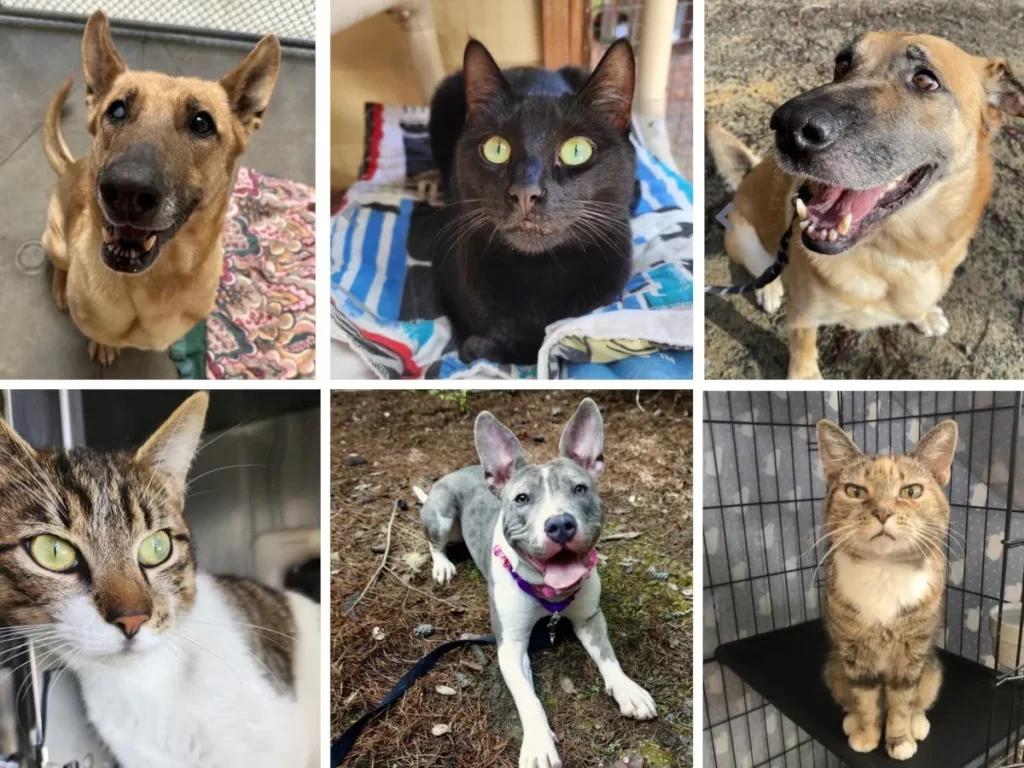
The Lasting Effects of Pet Adoption on Family Dynamics
Pet adoption is often heralded for its immediate benefits, such as companionship and joy. However, the more profound, long-term impacts on families and communities are equally noteworthy. One shining example is how pet adoption creates a family culture centered around shared responsibilities and holistic care. When pets enter a household, family members often find themselves collaborating in ways they might not have otherwise. This can result in stronger familial ties and a greater understanding of one another’s strengths and weaknesses.
Research consistently shows that families with pets tend to exhibit higher levels of emotional bonding. The joint efforts required to care for a pet—feeding, grooming, and regular vet visits—cultivate teamwork and unity. Children who are actively involved in pet care learn crucial lessons about cooperation that can translate to other areas of their lives, such as academics and friendships. Moreover, the shared joy of walking a dog or playing with a cat fosters positive interactions, allowing families to create treasured memories together.
Contributing to Emotional and Mental Wellness
The emotional benefits of pet ownership extend beyond individual family members to encompass the household as a whole. Engaging with pets provides a steady source of comfort, a crucial aspect for families going through challenging times. For instance, studies have indicated that interactions with pets can significantly reduce feelings of loneliness and depression. This is especially valuable in contemporary society, where mental health challenges are on the rise. The presence of a loving pet can serve as a form of emotional support, reducing anxiety levels and promoting overall well-being.
In households where children grow up with pets, the imprint of this experience can influence their attitudes towards empathy and compassion later in life. A child who learns to care for a dog or cat may carry these qualities into adulthood, becoming more community-minded and socially responsible individuals. This early exposure to responsibility often translates into lifelong skills—such as problem-solving and emotional intelligence—that enrich their future relationships.
The Ripple Effects on Community Cohesion
Pet adoption doesn’t only change the makeup of a household; it affects wider communities in significant ways. When families adopt pets, they frequently participate in local organizations, volunteer efforts, and adoption events. These activities can foster a sense of community ownership and pride. In fact, community members who come together to support local animal shelters often develop new friendships and connections that extend beyond their shared interest in pet care.
- Community Initiatives: Increased awareness around pet care leads to community-based campaigns focused on responsible pet ownership.
- Support for Local Businesses: Pet adoption spurs an increase in patronage for pet-related businesses, from veterinary clinics to pet boutiques, bolstering the local economy.
- Animal Welfare Advocacy: As more families adopt pets, there is a clearer call for animal welfare legislation, encouraging communities to take action for animals in need.
As the bond between pets and their families strengthens, so too does the community’s foundational commitment to kindness and support for one another. Thus, pet adoption is not merely a personal choice; it is a profound act that can spark community transformation and cohesion.
| Advantage | Impact |
|---|---|
| Enhanced Family Bonds | Adopting a pet fosters closeness among family members, offering opportunities for shared responsibilities and experiences. |
| Community Connection | Pet adoption increases community engagement through events and volunteer opportunities, strengthening neighborhood ties. |
The long-term impact of pet adoption extends beyond mere companionship; it deeply influences families and communities. One striking advantage is the enhanced family bonds. When a family decides to adopt a pet, they embark on a shared journey that requires teamwork and dedication. This dynamic not only helps create a nurturing environment but also teaches valuable lessons in empathy and responsibility.Additionally, the ripple effect of pet adoption is felt throughout local communities. Adopting pets can lead to stronger community connections, as pet owners are often drawn into social networks that surround local shelters, parks, and events. Such interactions may lead to increased volunteerism and support for welfare initiatives, fostering a sense of belonging and mutual support among residents. The benefits of pet adoption go far beyond the family unit; they encompass a wider social fabric that can transform neighborhoods into thriving, connected communities.
DISCOVER MORE: Click here to learn the facts
Building an Inclusive Community Through Pet Adoption
The phenomenon of pet adoption not only reshapes family structures but also strengthens community inclusivity. By creating environments where pets and people coexist harmoniously, communities become more welcoming to diverse populations. For instance, public parks that allow dogs often serve as gathering places where individuals from varied backgrounds can meet and interact. This natural mingling fosters relationships based on shared experiences and interests, which can help break down social barriers.
Moreover, pet-friendly policies implemented by cities contribute to this inclusivity. Communities that recognize the importance of pets in residents’ lives often introduce regulations that allow for pet adoption initiatives, encouraging more families to consider welcoming animals into their homes. Initiatives such as pet therapy programs in schools and community centers have emerged, aimed at enhancing social interactions and promoting emotional well-being among residents.
Educational Opportunities and Lifelong Learning
Another significant dimension of pet adoption is its potential to promote lifelong learning within families and communities. When families adopt pets, they often find themselves engaged in various educational experiences. For example, children may learn about animal biology, responsibility, and the importance of regular veterinary care through their interactions with pets. Educational programs centered around veterinary science, animal behavior, and humane treatment have gained traction in some communities, helping to cultivate an informed population that advocates for animal welfare.
Furthermore, families involved in pet adoption frequently seek knowledge about best practices in pet care, ranging from nutrition to training techniques. This drive for information not only elevates the standard of pet care within the community but also encourages other community members to engage with these topics. Libraries, local shelters, and community centers often provide workshops and resources, creating a sustainable platform for continuous education.
Encouragement of Healthier Lifestyles
Pet ownership has also been linked to fostering healthier lifestyles, which ripple out into the broader community. Research indicates that pet owners are more likely to engage in regular physical activities, such as walking, jogging, or playing outdoors, ultimately resulting in lower obesity rates within their communities. For example, cities like Austin, Texas, have seen a dramatic rise in walking trails and dog parks, promoting an active lifestyle that benefits residents’ physical health.
Moreover, with dogs as companions, families have greater motivation to stay active and socialize, which can combat feelings of isolation. This heightened interaction not only improves the mental health of individuals but serves to create a network of support among pet owners. Such networks have the potential to springboard community events like “pet parades” or charity runs, which foster camaraderie and a sense of belonging.
The cumulative effect of these healthier lifestyles may contribute to lower healthcare costs over time, benefiting not just individual families but entire communities. As such implications become evident, it is increasingly clear that pet adoption serves as a foundational pillar for building healthier, happier neighborhoods.
DISCOVER MORE: Click here to learn about heartwarming success stories
Conclusion: The Lasting Benefits of Pet Adoption for All
In retrospect, the long-term impact of pet adoption on families and communities is profound and multifaceted. By welcoming pets into their homes, families experience enriched emotional connections, increased physical activity, and essential life lessons. These benefits extend beyond individual households, fostering healthier lifestyles within communities and nurturing inclusive environments where strangers turn into friends through shared experiences.
As cities recognize the value of pet-friendly policies, we see the emergence of community-centered programs that not only prioritize animal welfare but also enhance human interactions. Educational initiatives related to pet care and animal science create informed advocates, ultimately promoting responsible pet ownership and the humane treatment of animals. Additionally, the intertwining of pet ownership with mental and physical health improvements underscores the critical role pets play in bolstering community well-being.
Moreover, as communities rally around pets through events and support networks, a sense of unity and belonging emerges, facilitating connections that transcend cultural and social barriers. Each adopted pet becomes a catalyst for positive change, bridging gaps and creating welcoming environments for all residents.
As we look to the future, ongoing advocacy for pet adoption remains vital not just for the welfare of animals but as a key element in building resilient families and thriving communities. Embracing this endeavor requires a collective effort, inspiring families to consider pet adoption not just as an act of compassion but as a powerful commitment to creating a nurturing world. In this light, the impact of pet adoption transcends the mere act of saving lives; it shapes the very fabric of our society.