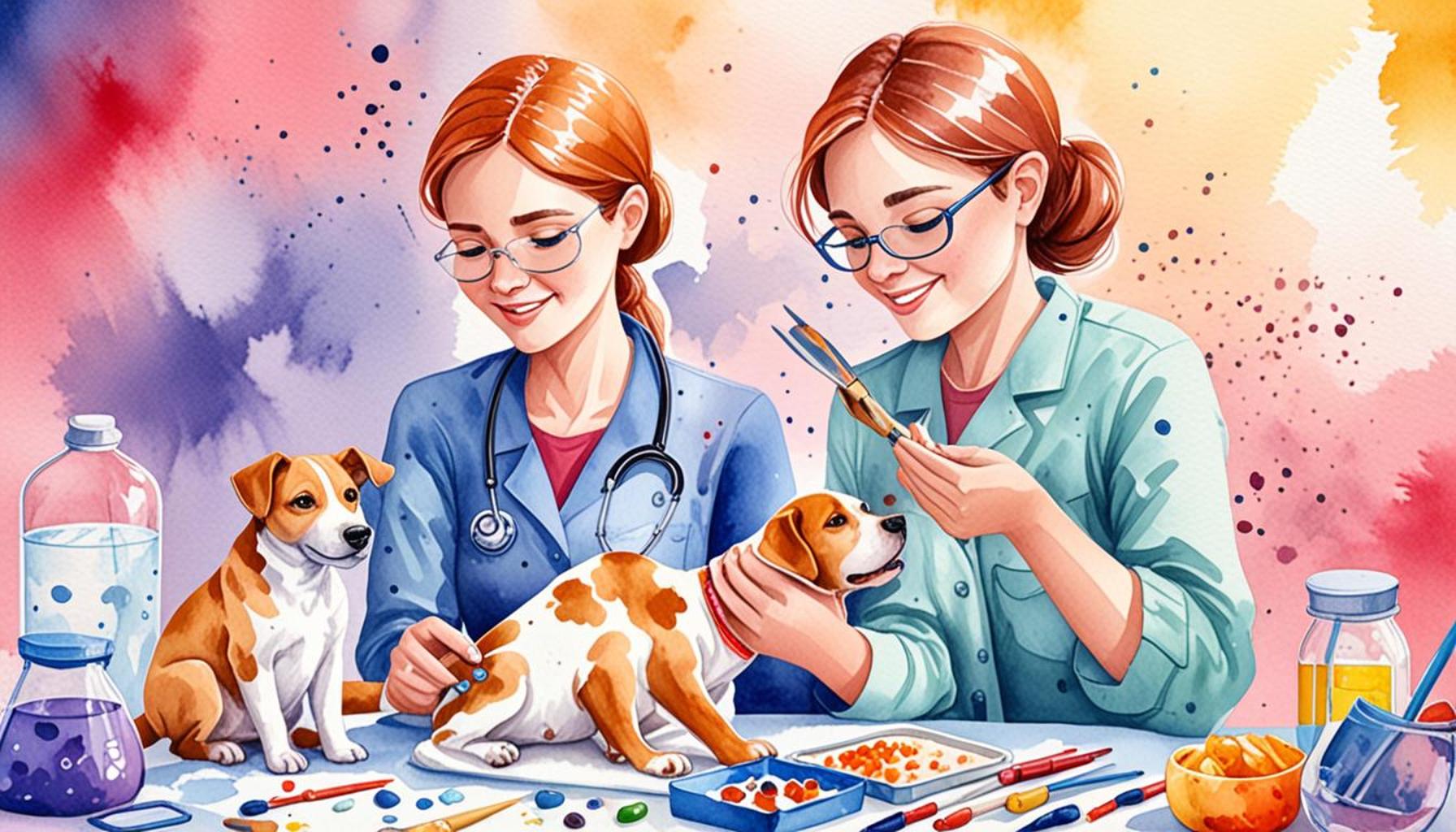
The Impact of Pet Adoption on Animal Welfare: A Case for Shelters

The Importance of Pet Adoption in Enhancing Animal Welfare
Every year, millions of animals enter shelters across the United States, each with their own story. Pet adoption offers a second chance, not only for the animals but also for communities, as it plays a critical role in influencing animal welfare. Understanding this impact unveils the importance of supporting local shelters.
Adopting a pet comes with profound responsibilities but also leads to transformative benefits that resonate well beyond the individual pet owner. For instance, consider the reduction in overpopulation that adoption promotes. When animals are given homes, shelters become better able to manage their resources, reducing the strain on facilities that often operate at full capacity. In fact, according to the ASPCA, approximately 6.3 million companion animals enter U.S. animal shelters every year. With the power of adoption, these numbers can significantly decrease, relieving pressure on shelters and allowing them to focus on care and rehabilitation.
Moreover, decreased euthanasia rates are a significant impact of pet adoption. Each year, millions of healthy and adoptable animals are euthanized simply due to lack of space and resources in shelters. Adopting a pet directly contributes to fewer animals facing this heartbreaking outcome. Communities that embrace adoption, such as San Francisco, have proudly reported a decrease in euthanasia rates due to effective spay and neuter programs paired with high adoption rates. This community-wide commitment helps cultivate a culture where every life is valued.
Additionally, adopting pets leads to increased community awareness surrounding responsible pet ownership and animal welfare. Through initiatives like National Adopt A Shelter Pet Day, communities are encouraged to educate themselves and others about the need for care, training, and socialization of pets. Local shelters often host educational workshops and outreach programs to encourage best practices in pet care, which can ultimately improve the quality of life for both pets and their owners.
On an emotional level, pet adoption fosters strong bonds between animals and their human companions, which can significantly enhance mental health. Pets, especially dogs and cats, provide unconditional love and companionship, reducing feelings of loneliness and anxiety. Such emotional support can positively impact families, spreading goodwill throughout the community. When individuals choose to adopt, they not only enrich their own lives but also become advocates for shelters and their missions, encouraging a culture of compassion and responsibility that extends beyond mere ownership.

As we delve deeper into the multifaceted effects of pet adoption, it’s essential to realize how each adoption story contributes to a larger narrative of animal welfare. Explore how your choices can lead to positive changes for animals in need and uncover the vital role shelters play in this movement. By choosing to adopt rather than shop for pets, you become part of a larger initiative that champions the lives of countless animals and fosters a more compassionate society.
DIVE DEEPER: Click here to learn how social media impacts animal adoption
Adoption’s Ripple Effect on Shelter Dynamics
The relationship between pet adoption and improved animal welfare goes beyond the mere act of bringing an animal into a home; it extends into the very fabric of shelter operations and community engagement. In the United States, shelters face daunting challenges each day as they strive to balance the needs of countless animals with limited resources. When individuals and families choose to adopt pets from shelters, they play a pivotal role in alleviating these pressures, leading to a cascade of positive outcomes.
The first significant effect of increasing adoption rates is the alleviation of overcrowding in shelters. With countless shelters operating at or above capacity, the need for more adopters grows immensely. Adopting a single animal can create space for another in need, facilitating a cycle of care that benefits numerous pets. Statistics reveal that adopting even one pet can help reduce the average length of stay for animals in shelters. For instance, in cities like Austin, Texas, which has implemented comprehensive adoption initiatives, the average stay for adoptable pets has significantly dropped, allowing shelters to operate more efficiently.
- Reduction in Overcrowding: By adopting, one can open up space for another pet, which is essential in areas where shelters are constantly full.
- Promotion of Shelter Resources: Fewer animals in shelter facilities allow staff members to provide better care, socialization, and rehabilitation for those still waiting for homes.
- Increased Funding Opportunities: High adoption rates can lead to increased donations and community support, as successful outcomes attract attention and funding for vital programs.
Moreover, pet adoption significantly contributes to the sponsorship of behavioral and medical resources. Shelters that are under-resourced often struggle to provide necessary medical care or behavioral training for the animals they care for. With an increase in pet adoptions, shelters can redirect their limited resources toward enhancing the welfare of the remaining animals, ensuring they are healthy, behaviorally sound, and ready for future adoptions. For example, shelters that incorporate training programs for their dogs can facilitate smoother transitions into homes, increasing the likelihood of successful adoptions and reducing returns.
On a broader scale, communities that actively promote pet adoption foster a deeper understanding of animal welfare and responsible pet ownership. When adoption becomes part of the community’s ethical framework, it encourages citizens to engage with shelters beyond just the act of adoption. Education initiatives and community events can teach prospective pet owners about the importance of spaying and neutering, proper training, and the responsibilities associated with pet ownership. This shift in mindset can lead to a more informed public that champions animal welfare issues beyond their own households.
As we explore the multiplicative benefits of pet adoption, it becomes abundantly clear that each adopted animal not only impacts its individual future but also serves as a catalyst for broader systemic changes within shelters and communities. Adopters thus become vital agents in the pursuit of improved animal welfare, highlighting the urgent need for continued support and advocacy for our local shelters.
| Advantage | Description |
|---|---|
| Increased Lifespan | Adopted pets often receive better care, leading to improved physical health and longevity. |
| Positive Community Impact | Promotes responsible pet ownership and encourages community involvement in local shelters. |
| Reduction of Euthanasia Rates | Adoption helps find homes for shelter animals, significantly lowering the number of euthanized animals. |
| Enhanced Behavioral Benefits | Pets in homes tend to display better behavior due to stable environments, which enhances their chances of being adopted. |
The ripple effect of pet adoption extends beyond individual households. Each pet adopted represents a victory for shelters and the advocacy for animal welfare. These shelters provide essential resources and care to animals in need, emphasizing the significance of community involvement. Through education and outreach, shelters promote responsible pet ownership, thus enhancing the overall relationship between pets and their owners.Furthermore, the societal benefits of pet adoption are profound. By reducing euthanasia rates, shelters actively contribute to animal welfare and demonstrate the dire need for public support in fostering these animals. The direct correlation between pet adoption and improved animal behavior also fosters a better understanding of the importance of training and socialization, which ultimately ensures that more animals find loving, permanent homes.
LEARN MORE: Click here to discover how to choose the perfect pet for your lifestyle
The Role of Community in Successful Adoption Initiatives
Community involvement plays a transformative role in boosting pet adoption rates, effectively enhancing animal welfare through grassroots efforts that align the interests of shelters with the general public. When local communities rally around their shelters, not only do adoption rates improve, but the overall welfare of animals also benefits immensely. One notable example is the “Adopt-a-Lot” initiative implemented in various cities, which turns vacant spaces into pop-up adoption sites, effectively bringing shelter animals to areas with higher foot traffic and visibility on weekends. This innovative approach has increased adoption rates by as much as 40% in some urban areas.
A key component of community engagement lies in awareness campaigns that educate potential adopters about the advantages of adopting over purchasing pets. San Francisco’s Animal Care and Control, for instance, launched the “Adopt, Don’t Shop” campaign, enlightening the public on better choices for pets by emphasizing the value of shelter animals. This initiative not only spurred discussions about the grim realities of puppy mills and the importance of adopting older or special-needs pets but also enhanced the community’s empathy towards these animals’ plight.
- Fostering Programs: These programs offer temporary homes for animals in need while providing essential social and behavioral training. This approach allows shelters to prepare animals for adoption by easing the transition process.
- Volunteering Opportunities: Volunteers play a pivotal role in shelters, helping with animal care, socialization, and outreach efforts, thereby enhancing the quality of life for the resident animals and increasing their adoptability.
- Partnerships with Local Businesses: Collaborations with local businesses for adoption events can lead to increased visibility and foster a sense of community togetherness, bridging the gap between shelter animals and potential adopters.
The importance of fostering a culture of responsible pet ownership cannot be overstated. Successful adoptions often hinge upon prospective owners understanding the long-term commitment involved. Shelters that emphasize education through outreach programs ensure that adopters are well-informed, leading to higher satisfaction rates for both owners and pets. Studies indicate that educated adopters are less likely to return their pets; in New York City, for instance, shelters reported a substantial decline in pet returns after educational workshops were introduced as part of their adoption processes.
Furthermore, the economic impact of successful pet adoption initiatives should not be overlooked. Cities that promote shelter adoptions often see a decrease in municipal costs associated with stray animal control and shelter maintenance. In Los Angeles, for example, a city-wide effort to increase adoption rates has reportedly saved the city millions in potential costs associated with animal control services. This financial reprieve allows shelters to allocate funds toward other critical areas, such as education and community outreach.
In sum, the symbiotic relationship between community involvement, responsible pet ownership education, and effective shelter initiatives fosters a dynamic ecosystem where the welfare of animals flourishes. When communities support their local shelters, it creates a ripple effect that not only increases adoption rates but ultimately transforms the landscape of animal welfare, highlighting the profound impact that collective action can have in creating a brighter future for homeless pets.
DISCOVER MORE: Click here for effective pet training tips
Conclusion: A Call to Action for Animal Welfare
In conclusion, the profound impact of pet adoption on animal welfare cannot be overstated. From increased adoption rates to enhanced quality of life for shelter animals, the evidence underscores the critical role that shelters play in addressing the homeless pet crisis. When communities unite to support local shelters through volunteering, fundraising, and educational outreach, they not only boost adoption figures but also contribute to the overall betterment of animal welfare.
Moreover, the implementation of innovative initiatives, such as pop-up adoption events and awareness campaigns, highlights the potential for communities to actively engage in animal rescue efforts. Programs that emphasize responsible pet ownership further enhance this paradigm, ensuring lasting and fulfilling relationships between humans and their adopted pets. Successful cases, such as those in San Francisco and Los Angeles, demonstrate that when communities invest in their local shelters, both the animals and residents emerge as winners.
As we continue to witness the struggles faced by countless homeless pets, it is imperative for individuals and organizations to rally in support of adoption initiatives. By advocating for shelter animals, we not only rescue lives but also promote compassion and empathy within society. The future of animal welfare rests in our collective hands, urging us all to adopt, don’t shop, and make a tangible difference for countless animals awaiting their forever homes. Let us seize this opportunity to foster a brighter future, one adoption at a time.