Innovative Approaches to Preventing Animal Cruelty in Pet Ownership
Understanding the Need for Change
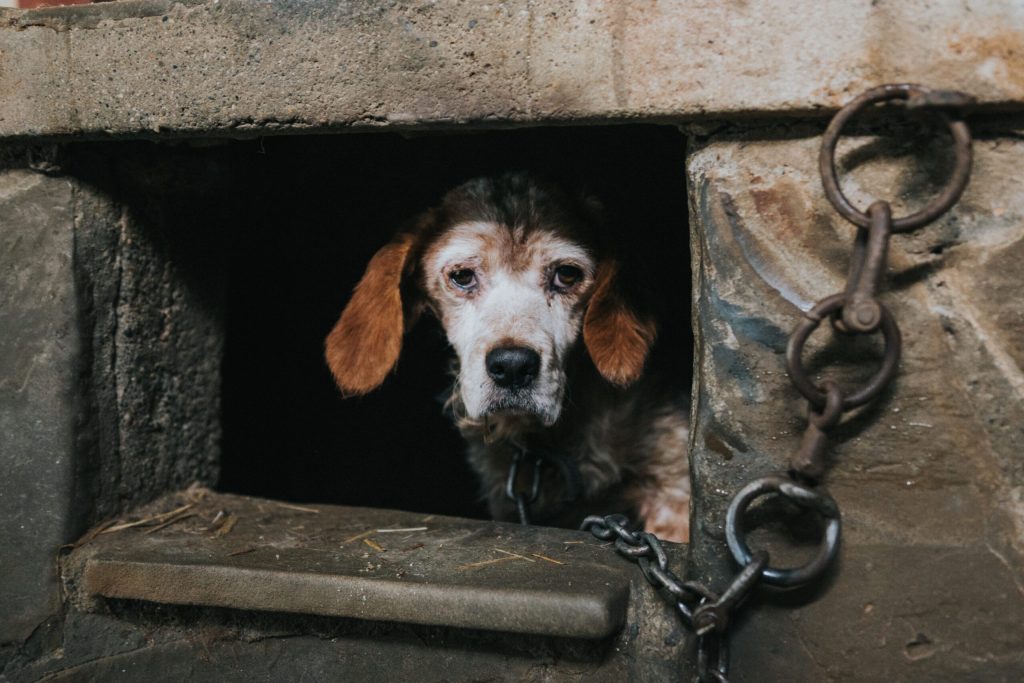
Animal cruelty remains a pressing issue in our society, especially in the realm of pet ownership. Each year, millions of pets face neglect, abuse, and abandonment across the United States, with estimates suggesting that approximately 6.5 million animals enter shelters annually, according to the ASPCA. This alarming trend calls for innovative solutions to foster a more compassionate environment for our furry friends. As societal awareness increases, so does the responsibility of pet owners to provide loving and secure homes for their companions.
Why Innovations Matter
New strategies in preventing animal cruelty are critical for several reasons:
- Education: Awareness programs, such as those offered by local humane societies, can inform potential and current pet owners about responsible pet ownership. Workshops and community events can educate individuals on the needs of animals, thereby minimizing instances of neglect and abandonment.
- Technology: The advent of apps and devices has revolutionized pet care. For instance, GPS trackers can help monitor pets’ locations, while health-monitoring devices can alert owners to potential health issues, prompting them to seek veterinary care before minor problems escalate.
- Community involvement: Engaging local communities in initiatives like pet fostering programs or neighborhood watch groups for pets can create robust support systems for at-risk animals, ensuring they find safe and loving homes.
Spotlighting the Solutions
Innovations in this space not only make a difference but also set a precedent for pet ownership culture. Some notable examples include:
- Rescue transparency: Organizations that prioritize clear communication about pet histories can build trust with potential adopters. For example, many rescue groups are now sharing detailed profiles of their animals, including past behavioral issues or medical histories, helping owners make informed decisions.
- Behavioral training programs: Initiatives designed to guide owners in understanding pet needs can significantly reduce behavioral problems that might otherwise lead to abandonment. Programs like “Pet 911” focus on teaching techniques to improve owner-pet relationships and prevent surrendering pets due to behavioral issues.
- Legislative changes: Policies aimed at enhancing the legal repercussions for animal cruelty are critical. For instance, several states have begun to increase penalties for abuse to include mandatory animal care training for offenders.
As society evolves, so should our approach to protecting the pets we cherish. Collaboration between governments, non-profits, and the community is necessary to cultivate an environment of understanding and responsibility. In this article, we delve deeper into these innovative methods, shedding light on their potential to transform the landscape of pet ownership in the United States, paving the way for a more humane future for all animals.
DISCOVER MORE: Click here to enhance your pet training skills
Effective Strategies for Promoting Responsible Pet Ownership
In today’s society, pet ownership is a rewarding experience that also comes with significant responsibilities. As we continue to uncover the alarming rates of animal cruelty and neglect, it becomes clear that a multifaceted approach is essential for fostering a culture of responsible pet ownership. Implementing educational strategies, leveraging technological advancements, and encouraging community involvement provides a comprehensive framework that benefits both pets and their owners. Below are some effective strategies that have gained traction nationwide.
- Interactive Educational Platforms: One of the most powerful ways to ensure responsible pet ownership is through education. Online platforms offering interactive courses and resources have become invaluable in educating prospective pet owners. For example, the Humane Society’s “Pet Care” section features engaging modules about animal behavior, health care, and training techniques. Such resources empower potential owners with the knowledge necessary to prevent neglect stemming from ignorance. Additionally, programs like “The Pet Care Academy” offer courses tailored to specific pet types, ensuring that owners can access information relevant to their furry friends.
- Social Media Campaigns: The impact of social media on shaping public opinion and behavior cannot be underestimated. By harnessing this power, organizations launch campaigns that effectively spread awareness about animal welfare. Hashtags such as #AdoptDontShop and #SpayAndNeuter not only highlight the importance of adopting pets from shelters, but they also advocate for responsible breeding practices. These viral campaigns inspire individuals and communities to take action, increasing public participation in local adoption events and fostering a deeper connection between pets and potential owners.
- Innovative Adoption Programs: To improve the chances of successful pet placements, many shelters have adopted “foster-to-adopt” models. This approach allows potential adopters to foster pets on a trial basis, which helps families assess compatibility before committing to a lifelong partnership. Studies show that this method significantly reduces return rates, as families can evaluate if a pet’s personality fits within their household dynamics. Programs like this promote responsible decision-making, ensuring that animals go to loving homes where they will thrive.
- Technology-Driven Support Services: As technology continues to evolve, the pet care industry benefits from innovative tools that support responsible ownership. Mobile applications like “Pet First Aid” not only provide owners with critical emergency care tips but also allow users to log their pets’ medical histories. This facilitates timely medical interventions, ensuring that pets receive necessary care. Furthermore, platforms like “Rover” and “Barkly Pets” offer on-demand pet care services, promoting responsible pet management by connecting users with vetted pet caregivers in their communities.
Equally important is the role of local community involvement. Communities that collaborate to promote responsible pet ownership initiatives are often successful in decreasing instances of cruelty and neglect. Neighborhood watch programs for pets are a prime example of such engagement, where residents take it upon themselves to monitor and care for each other’s animals. This collaborative effort fosters a culture of care and vigilance, ultimately benefitting the pets.
As innovative strategies continue to evolve, it becomes increasingly crucial for governments, non-profit organizations, and individuals to collaborate toward a common goal. By exchanging ideas and resources, we can establish a sustainable approach to transforming pet ownership in the United States. The integration of education, technology, and community activism stands as a pillar for meaningful change, ensuring that every pet can thrive in a loving and secure environment.
| Innovation Category | Key Features |
|---|---|
| Awareness Campaigns | Engaging educational programs teach pet owners about empathy and responsibility. |
| Technology Integration | Apps and online platforms connect users with resources and pet care tips. |
| Community Involvement | Local shelters and organizations promote adoption and responsible ownership. |
| Legislative Changes | Stricter laws against abuse protect animals through legal frameworks. |
In the face of the ongoing challenge of animal cruelty, innovative solutions are emerging that fundamentally reshape pet ownership norms. One significant approach is the utilization of technology, enabling pet owners to access a vast array of resources at their fingertips. Mobile applications can provide essential tips and real-time advice, encouraging responsible care practices while also promoting adopt, don’t shop messages.
Another compelling strategy lies in leveraging community involvement, where local shelters and advocacy groups host events to raise awareness about the importance of humane treatment. These initiatives not only foster connection among pet lovers but also emphasize the pleasure and fulfillment that comes with adopting pets in need.
Furthermore, grassroots movements are gaining traction that push for legislative changes aimed at tightening laws against animal abuse. This regulatory pressure catalyzes positive change by holding pet owners accountable. By marrying social activism with technological advancements, and fostering a sense of responsibility within communities, we can significantly mitigate the risks of animal cruelty and reshape the future of pet ownership.
DISCOVER MORE: Click here for essential tips
Community-Driven Initiatives and Support Systems
While education and technology play critical roles in promoting responsible pet ownership, community-driven initiatives and support systems are equally vital in the pursuit of preventing animal cruelty. These grassroots efforts not only create a sense of solidarity among pet owners but also empower individuals to take action against neglect and abuse within their neighborhoods. Here are some innovative community-based initiatives that have emerged across the United States.
- Pet Wellness Fairs: Numerous cities host community events aimed at providing pet owners access to essential services at little or no cost. Pet wellness fairs typically offer free vaccinations, microchipping, and wellness check-ups, ensuring that pets receive the necessary healthcare while also educating owners about preventive measures. These fairs serve as vital gathering points for local pet owners, allowing for the sharing of resources and bonding through a collective commitment to animal welfare.
- Neighborhood Pet Owners’ Associations: Establishing local pet owners’ associations can lead to stronger community bonds and increased awareness of pet responsibilities. These associations often organize events such as meet-and-greets, training sessions, and workshops focused on responsible pet ownership. By facilitating discussion among pet owners, these groups ensure that members can share experiences, advice, and resources, ultimately reducing instances of neglect and mistreatment.
- Animal Welfare Advocacy Groups: Many regions have seen the rise of animal welfare advocacy groups dedicated to influencing local policies related to animal ownership. These organizations work to enact legislation aimed at safeguarding animals from abuse, pushing for stricter laws and regulations that promote responsible ownership practices. They often partner with local governments to develop initiatives that inspire communities to adopt humane methods for dealing with stray populations and promoting spaying and neutering.
- Henry’s Heroes Program: Named after a rescued dog, this community-based program promotes pet care education while providing resources for pet owners in underserved areas. Henry’s Heroes offers workshops on proper care, training, and veterinary assistance, targeting low-income communities that may lack access to these essential services. By equipping these pet owners with the knowledge they need, the program fosters responsible ownership and ultimately aims to reduce rates of animal cruelty.
- Peer Support Networks: Creating peer support networks allows experienced pet owners to mentor new owners, offering guidance and advice. These networks create an environment of shared knowledge and accountability. New owners can feel more comfortable seeking help with their pets, reducing the likelihood of them resorting to abusive practices out of frustration or lack of understanding.
The role of veterinary professionals in community outreach cannot be overlooked either. Many veterinarians are now focusing their expertise beyond traditional clinical settings, participating in workshops and community events aimed at educating pet owners about animal needs and care. These professionals are crucial in conveying the message that the health and happiness of pets are achievable through informed care practices.
As communities become more engaged in animal welfare efforts, they cultivate a culture that prioritizes compassion, education, and responsibility. When local stakeholders unite, they create an effective support system that can identify issues early on and address them collaboratively, significantly reducing the potential for animal cruelty and neglect.
DISCOVER MORE: Click here to learn about the benefits of natural feeding
Conclusion
Innovative approaches to preventing animal cruelty in pet ownership not only highlight the importance of education and technology but also emphasize the crucial role that community engagement plays in fostering a compassionate environment for pets. By creating networks of support, providing essential resources, and facilitating open conversations among pet owners, communities can take significant strides toward reducing instances of neglect and abuse. Initiatives such as pet wellness fairs, neighborhood associations, and advocacy groups serve as key instruments in empowering pet owners, ensuring they are equipped with the knowledge and tools necessary for responsible ownership.
Moreover, the incorporation of programs like Henry’s Heroes shows that targeted outreach can make a tangible difference in underserved areas, which is vital for bridging gaps in pet care education. As peer support networks proliferate, they foster accountability and shared experiences, enabling new pet owners to access guidance and prevent potential frustrations that may lead to harmful practices.
Ultimately, the continuous collaboration between local governments, veterinarians, and community members cultivates a culture rooted in empathy and advocacy for animal welfare. As society progresses toward a collective responsibility for animal rights, it becomes possible to envision a future where the specter of animal cruelty diminishes significantly. Embracing these innovative approaches fosters hope for a world where every pet receives the care and love it deserves, inviting further exploration and action in the realm of humane pet ownership.