
The Importance of Proper Nutrition for Pet Health
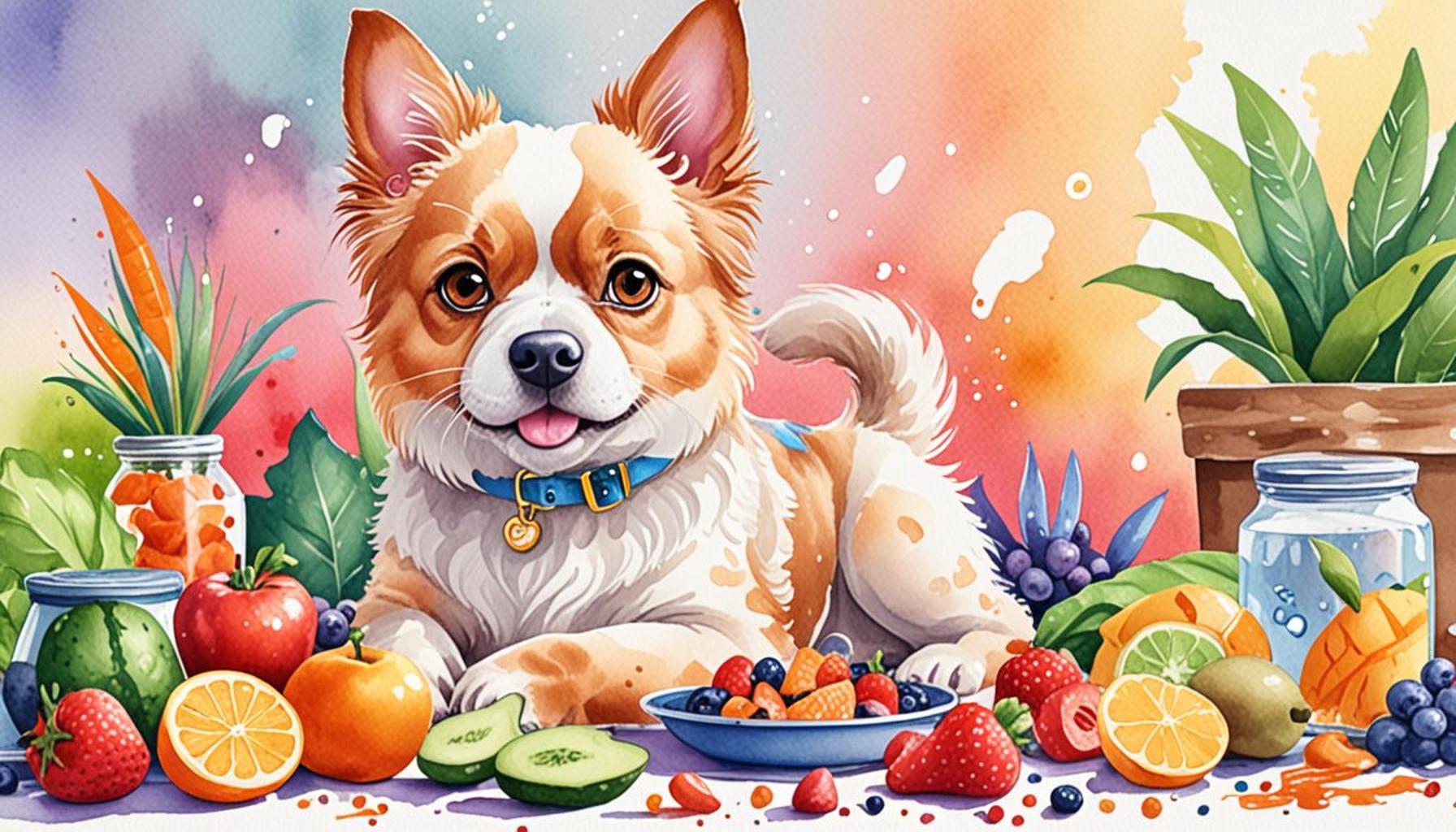
Nutrition: The Key to Your Pet’s Health and Happiness
Nutrition is a fundamental aspect that significantly impacts the overall health of our pets. Just like humans, animals thrive when provided with the right balance of nutrients, impacting their energy levels, immune systems, and lifespan. This raises crucial questions—are we doing enough to ensure our pets receive the dietary requirements they need to lead vibrant, fulfilling lives?
- Improved Longevity: A well-balanced diet can extend a pet’s life by years. A diet rich in antioxidants and omega fatty acids, for example, can reduce inflammation and support heart health, ultimately contributing to a longer lifespan. According to recent studies, pets that maintain a balanced diet and healthy weight can live up to 15% longer than those fed poorly crafted diets.
- Healthy Weight Management: Proper nutrition helps prevent obesity, a rising concern affecting 56% of dogs and 60% of cats in the U.S. Pet obesity not only shortens lifespan but also brings a host of health problems, including diabetes and joint issues. By choosing lower-calorie, nutrient-dense foods and monitoring portion sizes, pet owners can combat this growing epidemic.
- Enhanced Vitality: The right nutrients support active lifestyles, ensuring pets enjoy playtime to the fullest. High-quality proteins, vitamins, and minerals give pets the energy they need for play, agility, and overall physical health. For example, a diet containing lean meat can boost muscle development and stamina in dogs, enabling them to participate in activities like fetching or agility training.
Choosing the correct pet food involves understanding specific dietary requirements based on factors such as species, breed, age, and activity level. Puppies, for instance, have different nutritional needs compared to senior dogs, and large breeds may require joint-supporting ingredients like glucosamine. With so many options available—from commercial diets to homemade meals—finding the right fit for your furry companion can be daunting. Many reputable brands now offer customized pet foods that consider your pet’s specific needs, such as size and underlying health conditions, streamlining the decision-making process.
Why It Matters
The implications of poor nutrition can be severe, leading to various health issues, such as diabetes, heart disease, and digestive disorders. For pet owners, the cost of treating these conditions—both financially and emotionally—can be overwhelming. By educating ourselves about what constitutes a nutritionally balanced diet, we can make informed choices that promote our pets’ well-being. For example, understanding the importance of reading pet food labels can empower owners to avoid harmful fillers and preservatives that may negatively affect their pets’ health.
Join us as we delve deeper into the pivotal role nutrition plays in your pet’s health and explore practical tips to enhance their diet. Your pet’s vitality might just depend on it! By investing time in understanding their dietary needs, you empower your pet to enjoy a longer, healthier life filled with adventure and joy.
LEARN MORE: Click here for essential tips on choosing the right pet for your lifestyle

Understanding Nutritional Needs for Optimal Pet Health
It’s no secret that pets are considered family members, but how often do we consider their dietary needs on a deeper level? Understanding that each pet has unique nutritional requirements is essential for promoting long-term health. Various factors, such as breed, age, activity level, and existing health conditions, play a critical role in determining what constitutes a balanced diet for each animal. For example, puppies need a diet high in protein and fat to fuel their rapid growth, while senior pets may benefit from lower-calorie foods that support joint health and mobility.
When choosing pet food, awareness of specific dietary components becomes paramount. A well-rounded diet should include:
- Proteins: Vital for muscle development and repair, proteins from sources like chicken, fish, and beef provide the essential amino acids that your pet’s body cannot produce on its own.
- Fats: Healthy fats are crucial for maintaining a shiny coat and healthy skin. Omega-3 and Omega-6 fatty acids help reduce inflammation and support cognitive function.
- Carbohydrates: While often overlooked, carbohydrates serve as a primary energy source. Whole grains, fruits, and vegetables provide necessary dietary fiber that aids digestion.
- Vitamins and Minerals: Micronutrients are key to a pet’s immune system, promoting optimal health. Ingredients like leafy greens and colorful fruits offer essential vitamins such as Vitamin A, B vitamins, and antioxidants required for disease prevention.
Each pet is different, and pet owners need to pay attention to nutritional labels and avoid common pitfalls when selecting their pet food. Many brands offer a plethora of options, but the quality of ingredients varies significantly. By-products and fillers can contribute little to your pet’s nutritional needs while potentially leading to health complications. Choosing high-quality, reputable brands that list identifiable and nutritious ingredients can vastly improve the overall health of your furry companion.
The Role of Portion Control
Understanding that a proper diet also involves portion control is critical. Overfeeding, even with the healthiest ingredients, can lead to obesity, diabetes, and other health issues that severely impair a pet’s quality of life. Pet owners should consult veterinary nutritionists to help determine the right serving sizes based on their pet’s specific needs. Additionally, regular weigh-ins can provide insight into whether your pet is maintaining a healthy weight or needs dietary adjustments.
By investing time in understanding your pet’s unique nutritional requirements and selecting high-quality food options, you are not just feeding them; you are setting them up for a lifetime of happiness and vitality. Staying informed about proper nutrition allows you to make choices that truly reflect the care and love you have for your pet, ensuring they lead active and fulfilling lives. As we explore the relationship between nutrition and health further, you’ll discover more actionable tips that can enhance your pet’s diet, potentially transforming their everyday life.
| Advantages | Description |
|---|---|
| Healthy Weight Management | Proper nutrition ensures pets maintain a healthy weight, reducing the risk of obesity-related diseases like diabetes. |
| Enhanced Immune Function | A balanced diet rich in essential nutrients helps in building a strong immune system, providing pets with better defense against infections. |
| Improved Digestive Health | Quality nutrition supports healthy digestion and nutrient absorption, which is vital for the overall well-being of pets. |
| Healthier Skin and Coat | Nutrients like omega fatty acids promote a shiny coat and healthy skin, reducing issues like itchiness or allergies. |
When considering the holistic approach to your pet’s well-being, remember that proper nutrition isn’t just about feeding them; it’s about providing balanced meals that contain the necessary vitamins, minerals, and nutrients. The impact of a nutritious diet ripples through their entire body, influencing everything from their energy levels to their mood. Moreover, investing in high-quality pet food can significantly decrease the frequency of veterinary visits by promoting long-term health benefits. Allowing your pet to thrive hinges on making informed dietary choices, leading to a happier and more vibrant life for your furry companion.
EXPLORE MORE: Click here to learn about the benefits of a balanced diet for your pet
Additional Factors Influencing Pet Nutrition
Beyond the basic understanding of macronutrients and portion control, several additional factors influence the overall nutritional health of our pets. One significant element is the importance of life stage-specific diets. Pets go through various life stages, each necessitating different nutritional balances. For instance, kittens require a distinct set of nutrients compared to adult cats, emphasizing the need for tailored pet food formulations. The same holds true for dogs, where puppy food is designed for growth, while senior formulas are tailored to combat age-related issues such as decreased metabolism and joint pain.
Weight management, too, plays a significant role in pet health. According to the Association for Pet Obesity Prevention, over 50% of dogs and cats in the United States are classified as overweight or obese. This alarming statistic underlines the profound effect of nutrition on the lifespan and quality of our pets’ lives. Regularly assessing pet weight and communicating with veterinarians for tailored feeding plans can help mitigate risks associated with obesity, such as heart disease, arthritis, and insulin resistance.
Special Dietary Needs and Raw Diet Considerations
Some pets may require specialized diets due to allergies or medical conditions. For instance, pets suffering from food allergies may benefit from limited-ingredient diets, while those with kidney disease may thrive on prescription formulas low in phosphorus and protein. These tailored diets can often make a critical difference in managing health conditions and improving the quality of life. Pet owners should always consult a qualified veterinarian to identify and implement such necessary dietary adjustments.
The trend of raw feeding has gained traction among pet owners who believe it mimics a natural, ancestral diet. Advocates argue that a raw food diet can lead to healthier skin, shinier coats, and improved energy levels in pets. However, it’s essential to approach this alternative method carefully. Raw diets can pose risks of bacterial contamination and may lack balanced nutrition if not carefully prepared. Pet owners considering this option should seek guidance from veterinarians or pet nutritionists to ensure safe and adequate nutrition.
The Social and Psychological Benefits of Nutrition
It’s also worth noting that nutrition can significantly impact a pet’s behavior and emotional well-being. Certain nutrients, such as omega fatty acids, have been shown to exert a positive influence on mood and cognitive function in dogs and cats. A pet that feels good physically is likely to exhibit better behavior, leading to a more harmonious household. Additionally, mealtime can serve as an opportunity for bonding between pets and their owners. Engaging in interactive feeding methods, like puzzle feeders and treat-dispensing toys, can stimulate a pet’s mental health while also promoting healthy eating habits.
Incorporating human-grade ingredients into pet meals can take the nutritional profile a step further, with terms like “superfoods” gaining popularity. Ingredients such as blueberries, sweet potatoes, and pumpkin aren’t just trendy; they provide vitamins and minerals that can enhance a pet’s health. However, pet owners should ensure that these foods are suitable for their pets, as some human foods can be toxic to animals.
In summary, understanding the numerous layers involved in proper pet nutrition—from life stage considerations to special dietary needs, as well as the psychological benefits—is crucial for any responsible pet owner. Engaging with veterinary professionals, understanding specific nutrient requirements, and staying informed about dietary developments can empower pet owners to give their furry companions the best dietary support possible.
DISCOVER: Click here to learn about training techniques
Conclusion: The Crucial Role of Nutrition in Pet Health
In a world where the health and well-being of our pets is paramount, understanding proper nutrition emerges as a foundational pillar. As discussed, the intricate interplay between life stage-specific diets, weight management, and specialized nutritional needs cannot be overstated. Each pet is unique, and their dietary requirements evolve throughout their lives, necessitating a more personalized approach to feeding. Such attentiveness not only promotes optimal physical health but also extends the longevity and vitality of our beloved companions.
The alarming statistics surrounding pet obesity serve as a reminder that poor nutrition can have dire consequences, warranting proactive measures and regular consultations with veterinarians. Furthermore, as the understanding of pet diets continues to advance, owner engagement in dietary trends such as raw feeding and the inclusion of human-grade ingredients can make considerable differences. However, it is crucial to approach these trends with caution and seek professional guidance to balance nutritional adequacy with safety.
Beyond physical health, the emotional and behavioral aspects of our pets are deeply influenced by their nutrition. By fostering a positive relationship with food, utilizing interactive feeding methods, and recognizing the mood-lifting benefits of certain nutrients, pet owners can enrich their pets’ overall living experience. As responsible caregivers, we hold the power to enhance not just our pets’ meals, but their entire lives. Investing time to educate ourselves and adapt our pets’ diets accordingly is not only a commitment to their health but also a testament to the bond we share with them.
In conclusion, embracing proper nutrition for our pets is an ongoing journey filled with discovery and care. It is this journey that ultimately transforms not just their health, but also the joy and fulfillment they bring to our lives.