The Impact of Vegan Diet on the Health of Pets
The Plant-Based Pet Revolution
In recent years, the concept of a vegan diet has shifted beyond just being a human dietary choice, as more pet owners embrace plant-based nutrition for their dogs and cats. The rationale driving this trend includes ethical considerations about animal welfare, environmental sustainability, and even perceived benefits for pet health. Yet, this practice prompts several important questions regarding its health impacts on our beloved companions.
Benefits of a Vegan Diet for Pets
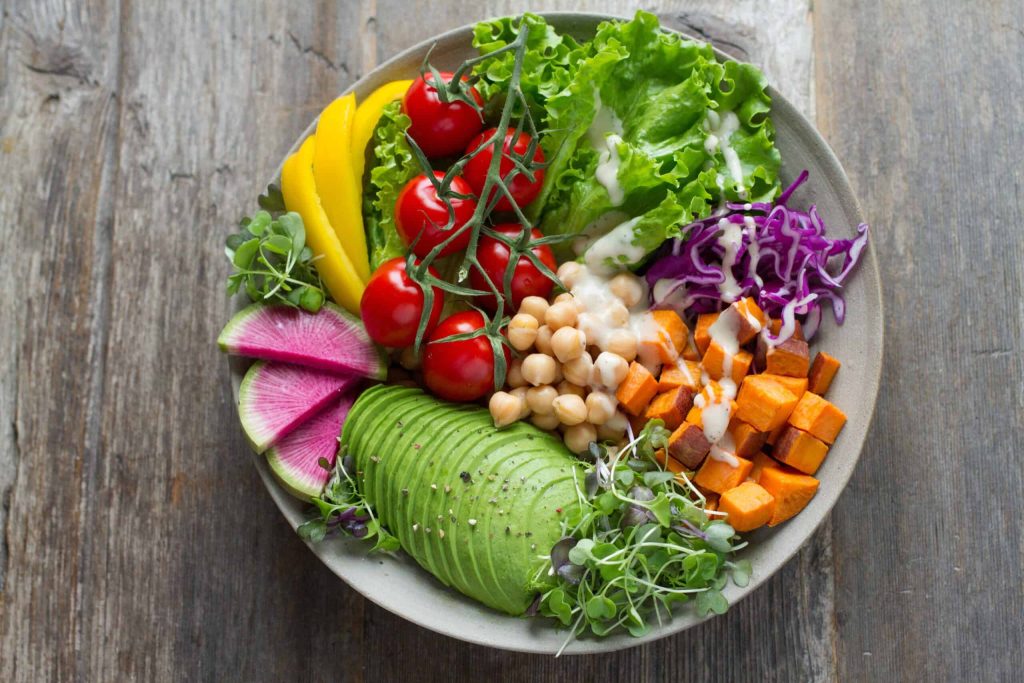
Proponents of vegan diets for pets often cite various advantages when thoughtfully implemented. One significant benefit highlighted by many is improved digestion. A diet rich in high-fiber plant-based ingredients can enhance gut health and promote regular bowel movements, which is particularly important for pets prone to digestive issues. Ingredients like sweet potatoes, peas, and lentils are not just filling; they also provide essential nutrients and aid in digestion.
Another compelling argument for adopting a vegan diet is the potential for reduced allergies. Some pets are sensitive to common animal proteins found in traditional pet food, leading to skin irritations, gastrointestinal issues, or chronic inflammation. By switching to a plant-based diet, owners may observe significant improvements in allergy-related symptoms, allowing pets to enjoy a better quality of life.
Additionally, a well-formulated vegan diet can assist in weight management. Many commercial vegan pet foods are lower in calories yet high in nutritional value, providing an effective way to help pets maintain a healthy weight, particularly in overweight dogs and cats. This is crucial as obesity in pets has become an alarming concern, with studies indicating that nearly 60% of adult dogs in the United States are classified as obese or overweight.
Concerns and Cautions
Despite these potential benefits, transitioning pets to a vegan lifestyle also raises significant concerns that must not be overlooked. One of the most pressing issues is the risk of nutritional deficiencies. Pets require a balanced intake of specific vitamins and minerals to thrive—nutrients that may be scarce in a vegan diet unless carefully supplemented. For example, taurine, an essential amino acid crucial for heart health, is primarily found in animal products and must be monitored closely in vegan diets.
Moreover, adopting a vegan diet can lead to an increased need for veterinary oversight. Owners must work closely with pet nutritionists or veterinarians to ensure their pets receive a balanced diet, particularly during the initial transition phase, which may involve trial and error.
Additionally, suitability issues can arise depending on the specific species or breed of pet. While some dogs may adapt well to a vegan diet, others—especially obligate carnivores like cats—may struggle to meet their nutritional needs without animal proteins. This has led to debates within veterinarian circles about the appropriateness of vegan diets for certain animals.
Conclusions
The discussion surrounding the impact of a vegan diet on pets continues to evolve, inviting diverse opinions and scientific inquiry. As this trend gains traction, pet owners must remain informed and cautious. Exploring the intricacies of nutrition and understanding their pet’s unique needs is essential for those contemplating this dietary shift. As curiosity grows, so does the importance of making balanced, knowledgeable choices in pet nutrition.
LEARN MORE: Click here to discover the benefits of a balanced diet for your pet
Understanding Nutritional Needs
To comprehend the impact of a vegan diet on the health of pets, it is paramount to first recognize the fundamental nutritional requirements of these animals. Dogs are classified as omnivores, which means their diet can encompass both plant and animal sources. In contrast, cats are obligate carnivores, meaning their bodies are specifically tailored to derive nutrients primarily from animal products. This divergence plays a crucial role in determining the appropriateness of a vegan diet for each species.
The key nutrients that pets require include proteins, carbohydrates, fats, vitamins, and minerals. Each nutrient serves distinct purposes in maintaining overall health, energy levels, and supporting bodily functions. Understanding how a vegan diet can provide these essential elements or inadvertently lead to imbalances is crucial prior to making dietary shifts.
Core Nutritional Components
When considering a vegan diet for pets, it’s essential to focus on the following core nutritional components:
- Proteins: While plant-based protein sources like chickpeas, quinoa, and soybeans can provide amino acids, they may not contain all the essential amino acids required, especially for cats. This highlights the importance of careful formulation.
- Vitamins: Some vitamins, such as Vitamin B12, are primarily found in animal products. Vegans must ensure these vitamins are included through fortified foods or supplements.
- Minerals: Nutrients like zinc and calcium can also be less bioavailable in plant sources, raising the need for proper supplementation in a pet’s diet.
- Fatty Acids: Omega-3 and Omega-6 fatty acids are vital for pet health, contributing to skin and coat condition. Flaxseed oil and algae-derived products are common vegan sources but must be adequately dosed.
The call for a vegan diet often stems from a desire to provide pets with healthier options, but it is critical to gather knowledge on how to achieve balanced nutrition through plant-based food choices. Moreover, the challenge often lies not only in the availability of vegan pet foods but also in ensuring they are fortified with the necessary nutrients to meet specific breed or individual health requirements.
Veterinarians and pet nutritionists advise that pet owners comprehensively evaluate their pet’s individual needs alongside any vegan dietary considerations. Careful attention must be given to the potential risks associated with a vegan diet, particularly in pets who may have preexisting health conditions or special nutritional requirements. The right balance is key to preventing the possible onset of deficiencies that could adversely impact a pet’s health.
The Decision to Transition
Choosing to transition a pet to a vegan diet is not merely the adoption of a trend; it is a commitment that requires diligence and insight. Observations from pet owners who have embarked on this journey often reveal mixed outcomes, influencing the decision of others. It is imperative to monitor their pets closely for any signs of nutritional imbalance, such as noticeable changes in energy levels, coat health, or overall well-being. Given the complexity of nutrition, engaging with a veterinarian can provide the essential guidance and reassurance needed for making informed decisions.
As the discussions surrounding the impact of vegan diets on pets grows, it becomes evident that understanding the underlying nutritional principles is vital for responsible pet ownership. The journey toward a vegan lifestyle for pets should be approached with a well-rounded perspective that considers both the benefits and potential drawbacks associated with such a significant dietary change.
The Impact of Vegan Diet on the Health of Pets
| Health Benefits | Nutritional Aspects |
|---|---|
| Improved Digestion | High-fiber ingredients facilitate better gut health. |
| Weight Management | Plant-based diets often average lower calories, aiding in weight control. |
| Reduced Allergy Symptoms | Hypoallergenic sources may alleviate food sensitivities in pets. |
| Enhanced Vitality | Vitamins and minerals from whole foods contribute to overall health. |
The shift towards a vegan diet for pets is gaining traction, and its influence on health cannot be underestimated. With an emphasis on improving digestion through high-fiber ingredients, pet owners are reporting noticeable improvements in their pets’ gut health. The potential for weight management, due to lower-calorie options, promotes a healthier lifestyle for pets, reducing obesity-related issues.
Moreover, for those furry friends suffering from allergies, hypoallergenic sources in vegan diets can help mitigate symptoms, providing relief and enhancing their quality of life. Lastly, the variety of vitamins and minerals derived from whole food sources enriches their diets, boosting vitality and energy levels.
As discussions surrounding veganism in pet nutrition continue to evolve, exploring these factors encourages pet owners to consider how these dietary choices can profoundly influence their pets’ health and happiness.
LEARN MORE: Click here to discover the benefits
The Potential Health Risks and Benefits
When it comes to the impact of a vegan diet on the health of pets, understanding both potential risks and benefits can help pet owners navigate this complex dietary landscape. While some proponents advocate for vegan diets citing health benefits, ethical considerations, and environmental factors, it is essential to be aware of the possible implications for pet health.
Potential Health Risks
Despite the growing popularity of vegan diets among pet owners, there are notable risks. One significant concern is the potential for nutritional deficiencies. For instance, certain vitamins, such as B12 and D, are instrumental for canine and feline health and can be challenging to obtain in sufficient quantities from plant sources. Deficiencies in these essential nutrients can lead to a range of health issues including neurologic problems, anemia, and compromised immune responses.
Moreover, cats, as obligate carnivores, may struggle with the lack of taurine, an amino acid crucial for heart and eye health. Insufficient taurine has been linked to serious conditions such as dilated cardiomyopathy. Although some dog breeds may adapt better to a vegan diet, any reluctance to consume a varied range of plant-based juices could lead to malnutrition over time, making regular veterinary check-ups and blood tests vital.
Benefits of a Vegan Diet
Conversely, advocates of vegan pet diets often cite benefits such as improved skin and coat conditions, enhanced digestive health, and weight management. The incorporation of high-fiber plant foods can aid digestion, potentially decreasing issues related to obesity—a growing concern for pets in America, where approximately 60% of dogs and cats suffer from overweight or obesity. Whole food sources, such as fruits and vegetables, can provide antioxidants and phytonutrients that promote overall wellness while supporting a healthy weight.
Additionally, certain vegan diets are often lower in calories and saturated fats, contributing to a reduction in obesity-related health problems such as diabetes and arthritis. Furthermore, the ethical standpoint of using plant-based diets offers pet owners a way to align their dietary choices with their personal values, promoting animal welfare and environmental sustainability.
The Role of Veterinary Guidance
Given the complexities involved in formulating a balanced vegan diet, it is prudent for pet owners to seek the expertise of a veterinarian or a certified pet nutritionist. Veterinary professionals can assist in tailoring diets that meet individual pets’ specific needs while also recommending suitable brands of vegan pet food that are properly formulated and fortified with essential nutrients.
Moreover, pet owners should regularly monitor their pets for changes in behavior, energy levels, and physical appearance. Engaging pets in a variety of healthy activities should be viewed as a crucial part of their well-being as is their diet. By maintaining an open dialogue with veterinarians, pet owners can help mitigate the risks while maximizing the health benefits associated with a vegan lifestyle.
In an ever-evolving discussion on pet nutrition, the impact of vegan diets remains a topic of considerable interest and debate. Requesting research-backed information and staying abreast of developments in the field allows pet owners to make informed decisions about their pets’ diets, balancing ethical ideals with the nuances of biological requirements.
DISCOVER MORE: Click here for insights on natural feeding
Conclusion: Nurturing Health with Informed Choices
The discussion surrounding the impact of vegan diets on the health of pets underscores the importance of balancing nutritional needs with ethical values. As more pet owners explore plant-based diets for their furry companions, it becomes paramount to recognize that while a vegan diet can offer weight management benefits and enhanced digestive health, it also carries the risk of nutritional deficiencies that could lead to serious health issues.
Throughout the article’s exploration, we have seen that certain pets, particularly obligate carnivores like cats, may face challenges adhering to a vegan diet due to their specific dietary requirements. With pet obesity rates soaring, the search for healthier alternatives is crucial. Yet, it is equally critical that pet owners remain vigilant about their pets’ nutritional intake and overall health, turning to veterinary guidance for personalized diet plans that ensure all essential nutrients are included.
Ultimately, making informed decisions rooted in research, veterinary consultation, and a keen awareness of each pet’s unique needs is vital. Pet owners are encouraged to continually educate themselves on the evolving landscape of pet nutrition, considering reports and studies as they work to harmonize their pets’ well-being with their personal ethical choices. By merging compassion with responsibility, we can ensure that our pets not only thrive on their diets but also lead happy, healthy lives.