Nutritional Supplements: When and How to Use Them in Your Pet’s Diet
Understanding the Importance of Nutritional Supplements for Pets
As a responsible pet owner, ensuring that your furry companion leads a healthy and vibrant life is paramount. One effective way to support your pet’s well-being is through the strategic use of nutritional supplements. These products, which come in various forms such as powders, tablets, and soft chews, can significantly enhance your pet’s diet, offering a plethora of health benefits when utilized correctly.
Factors Influencing the Need for Supplements
Several factors play a critical role in determining whether your pet may benefit from nutritional supplements. For example, age and breed are crucial considerations; certain breeds like Golden Retrievers and Rottweilers may require additional joint support as they age, while younger pets may not need supplements until they reach maturity. Similarly, existing health conditions can dictate specific supplement needs. For instance, pets suffering from allergies may benefit from omega fatty acids, which help reduce inflammation and support skin health. Additionally, dietary restrictions or preferences, such as vegan or grain-free diets, might result in nutrient deficiencies, warranting the inclusion of targeted supplements.
Common Types of Nutritional Supplements
Understanding your pet’s unique needs can help guide you to the right supplements. Here are some common types that can enhance your pet’s health:
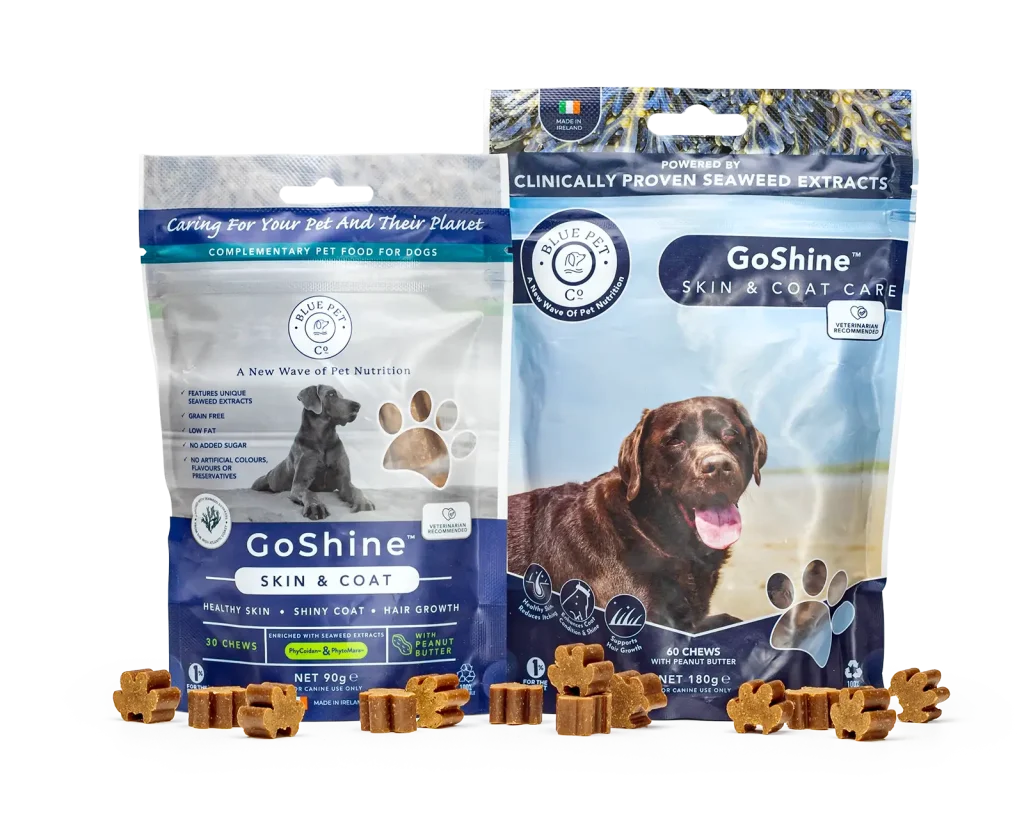
- Vitamins and minerals: These are essential for maintaining overall health, bolstering everything from the immune system to the skin. For example, Vitamin E is crucial for maintaining a healthy coat and skin.
- Omega fatty acids: Found in fish oil, these fatty acids are renowned for their ability to improve skin and coat quality. They also have anti-inflammatory properties that can benefit pets with arthritis or allergies.
- Probiotics: Just like humans, pets can benefit from probiotic support to promote healthy digestion and gut flora. Probiotics can be particularly helpful for pets recovering from gastrointestinal issues or those on antibiotics.
Choosing High-Quality Supplements
When it comes to choosing nutritional supplements for your pet, quality is paramount. It is advisable to select products that have undergone third-party testing to ensure safety and efficacy. Look for supplements that carry an AAFCO (Association of American Feed Control Officials) statement, which indicates they meet certain nutritional standards.
Recognizing the right time to incorporate these supplements into your pet’s diet can indeed make a substantial difference in their overall health. Therefore, consulting with your veterinarian is highly recommended. Your vet can help tailor a supplement regimen based on your pet’s specific health needs and lifestyle.
In conclusion, understanding the essentials behind the use of nutritional supplements is crucial for any pet owner. By making informed decisions backed by quality products and professional guidance, you can help ensure your furry friend lives a long, healthy, and happy life.
DON’T MISS: Click here to discover the benefits of a balanced diet for your pet
Identifying Your Pet’s Nutritional Needs
To make informed decisions regarding the use of nutritional supplements in your pet’s diet, it is essential to first identify their unique nutritional needs. Every pet is different, with particular requirements dictated by factors such as their breed, age, weight, and lifestyle. A thorough understanding of these variables can help you tailor a supplement plan that maximizes their health benefits.
Age: A Crucial Factor
The age of your pet plays a pivotal role in determining the need for nutritional supplements. For instance, puppies require a diet rich in essential nutrients to support their rapid growth and development. On the other hand, older pets are often at a greater risk for degenerative conditions and may benefit from supplements aimed at maintaining joint health and cognitive function. Senior pets may particularly benefit from glucosamine and chondroitin, which can aid in joint lubrication, helping to alleviate arthritis discomfort.
Dietary Gaps and Restrictions
Another significant consideration is your pet’s current diet. Commercial pet food is designed to meet basic nutritional needs, but specific conditions can lead to gaps. For pets on a homemade or limited-ingredient diet, supplements can help fill these voids. For example, if your dog follows a grain-free regimen, they might miss out on crucial nutrients typically found in whole grains, necessitating a focus on a multivitamin. Likewise, pets with specific dietary restrictions or allergies may need specialized supplements to ensure they receive all essential nutrients without triggering adverse reactions.
Signs That Your Pet May Need Supplements
Identifying signs that indicate your pet may benefit from nutritional supplements is essential. Consider observing for the following:
- Decreased energy levels: If your pet appears less active or shows signs of lethargy, it may be worth investigating their nutritional intake.
- Poor coat condition: A dull, flaky, or excessively shedding coat can signal a lack of essential fatty acids or other nutrients.
- Digestive issues: Frequent gastrointestinal distress may warrant the inclusion of probiotics to restore balance to their gut health.
- Joint stiffness: If your aging pet struggles to rise or seems to be in physical discomfort, they may benefit from supplements that target musculoskeletal health.
Regular check-ups with your veterinarian are essential to monitor your pet’s health and nutritional status. They can provide critical insights into whether your pet requires additional supplements or adjustments to their diet. By staying proactive and attentive, you can help your furry friend thrive, ensuring they enjoy a life full of energy and vitality.
Nutritional Supplements: When and How to Use Them in Your Pet’s Diet
Understanding nutritional supplements for pets can be crucial to enhance their health and wellbeing. Pets, much like humans, may require additional nutrients to support their specific dietary needs and lifestyle. The decision to include supplements should not be taken lightly; it’s essential to know when and how to incorporate them into your pet’s diet effectively.
Identifying Nutritional Needs
Before introducing any form of supplement, it’s vital to assess your pet’s current nutrition. Factors like age, breed, health conditions, and level of activity play significant roles in determining their needs. For instance, senior pets may benefit from joint supplements containing glucosamine, while active breeds could need extra protein intake or omega-3 fatty acids for optimal energy levels.
Timing is Key
Know when to give these supplements for maximum effect. Certain supplements can be more effective when administered during specific times of the day or alongside meals. For example, fat-soluble vitamins like A, D, E, and K should be given with fats for better absorption. Conversely, some probiotics may work best on an empty stomach. Consulting with a veterinarian is imperative to determine the best timing for supplementation.
Form and Administration
Supplements come in various forms: powders, tablets, capsules, or liquids. Choose a format that aligns well with your pet’s preferences and needs. For pets who are picky eaters, flavored options or liquid forms may increase the likelihood of acceptance. Always ensure that the supplement’s ingredients are safe and beneficial for your pet’s specific needs.
Monitoring and Adjusting
Once you commence supplementation, observe your pet closely. Look for improvements in coat condition, energy levels, or overall health. Regular veterinary check-ups are critical to reassessing dietary needs and making necessary adjustments to the supplementation plan. This proactive approach ensures that your pet not only receives vital nutrients but thrives in their daily life.
| Category | Importance |
|---|---|
| Protein Supplements | Supports muscle health and energy levels. |
| Omega-3 Fatty Acids | Promotes healthy skin and coat, aids in inflammatory reduction. |
| Vitamins and Minerals | Essential for overall health and immune support. |
By understanding when and how to use these nutritional supplements, you are paving the way for a healthier and more vibrant life for your pet. Always remember to tailor supplement choices to meet individual needs, thereby maximizing the benefits of their dietary regimen.
DISCOVER MORE: Click here for essential insights
Choosing the Right Nutritional Supplements
Once you’ve identified your pet’s unique nutritional requirements, the next step is choosing the appropriate nutritional supplements to meet those needs. The vast array of products available in the market can be overwhelming, making it essential to approach the selection process with a strategic mindset.
Types of Nutritional Supplements
Nutritional supplements for pets can be categorized into several types, each addressing specific health concerns:
- Vitamins and Minerals: Essential for various bodily functions, these supplements can help correct deficiencies. For example, pets lacking Vitamin D may struggle with calcium absorption, leading to skeletal issues.
- Omega Fatty Acids: These are known for their anti-inflammatory properties and are particularly beneficial for pets with skin issues or inflammatory joint disease. Derived from fish oil or flaxseed oil, omega fatty acids can significantly improve skin and coat conditions.
- Probiotics: Aimed at improving digestive health, probiotics can help maintain a balanced gut microbiome, which is vital for optimal nutrient absorption. This can be especially useful for pets experiencing chronic digestive issues.
- Herbal Supplements: Derived from plant sources, these can provide additional health benefits. For instance, turmeric has gained attention for its anti-inflammatory properties, making it a popular choice for joint health.
Quality Matters
When selecting nutritional supplements, quality should be a top priority. Look for products that have been subjected to rigorous testing and are backed by veterinary research. Certifications from organizations such as the National Animal Supplement Council (NASC) can serve as indicators of quality and reliability. Ingredients should be clearly listed, and products should have appropriate dosing instructions to avoid under or overdosing your pet.
Consulting Your Veterinarian
Your veterinarian is an invaluable resource in determining the most effective supplements for your pet’s needs. They not only have access to the latest research but also understand your pet’s particular health history. A knowledgeable vet can guide you on the correct dosages and can monitor your pet’s response to the supplements, making adjustments as needed.
Introducing Supplements to Your Pet’s Diet
The introduction of nutritional supplements should be gradual to allow your pet’s system to adjust. Start with small amounts mixed into their regular food, observing for any adverse reactions. If your pet is particularly picky, flavored supplements may enhance appeal. For instance, chewable tablets flavored with chicken or beef can be more palatable for dogs, while cats may prefer liquid or powdered forms that can be easily mixed with their meals.
It’s crucial to regularly reassess your pet’s health and nutritional status, as their needs may change over time. Factors such as weight fluctuations, changes in activity levels, and even seasonal variations can influence supplement needs. Keeping an ongoing dialogue with your veterinarian will ensure that your pet receives tailored nutritional support throughout their life.
DISCOVER MORE: Click here to learn about the importance of socialization
Conclusion
In conclusion, understanding nutritional supplements and their appropriate use is essential for promoting the health and well-being of your pets. With the right knowledge, you can make informed decisions to enhance your pet’s diet effectively. By considering the unique nutritional needs of your furry friends, from vitamins and minerals to omega fatty acids and probiotics, you can address specific health issues or deficiencies that may arise.
As highlighted, selecting high-quality supplements is vital to ensure safety and efficacy. Always look for products that meet rigorous standards and consult with your veterinarian, who serves as the best resource for tailored advice. Their insights will guide you on the correct dosages and help monitor your pet’s progress, enabling timely adjustments to their supplement regimen.
Introducing supplements into your pet’s diet should be done gradually, allowing time for adaptation while ensuring that they enjoy their food. Continuous evaluation of their health will also help determine any necessary changes in supplementation based on shifting needs due to lifestyle or age.
Ultimately, successful use of nutritional supplements in your pet’s diet can lead to a happier, healthier life for your animal companion. Explore the options available, keep an open line of communication with your veterinarian, and take proactive steps to support your pet’s unique health requirements. By doing so, you will not only enhance their quality of life but also foster a deeper bond as you invest in their long-term well-being.