The Nutrition of Exotic Animals: Specific Considerations for Each Species
Understanding the Complexities of Exotic Animal Nutrition
Navigating the intricacies of exotic animal nutrition is essential for caretakers, wildlife enthusiasts, and anyone involved in the management of these remarkable species. Unlike more common domestic pets, exotic animals possess specific dietary requirements that have evolved alongside them in their natural habitats. Meeting these unique needs is not only vital for their physical health but also plays a significant role in enhancing their overall well-being and longevity.
Diverse species of exotic animals bring about unique challenges and considerations regarding their nutritional needs. For example, the following points highlight the major aspects that caregivers should pay attention to:
- Dietary Diversity: Many exotic animals thrive on a varied diet rich in essential nutrients. This diversity is crucial; for instance, a well-rounded diet for a green iguana may include leafy greens, fruits, and even flowers, mimicking their natural diet in the wild.
- Species-Specific Needs: Each species has its own unique requirements. For instance, reptiles need exposure to UV light and adequate calcium intake to prevent metabolic bone disease. In contrast, some birds, like parakeets, thrive on a seed-based diet but also benefit from the occasional vegetables and fruits.
- Natural Behaviors: Feeding practices should align with an animal’s natural foraging habits. Providing enrichment through puzzle feeders or hidden food sources not only stimulates their minds but also encourages natural behaviors, enhancing their quality of life.
Addressing these challenges requires a deep understanding of each species’ natural dietary practices. For instance:
- Herbivores, like capybaras, necessitate a high-fiber diet that may consist of hay, grass, and fresh greens to support digestive health.
- Carnivores, such as large cats in captivity, typically rely on protein sources like whole prey, which mimics their wild diet and is critical for their robust muscle development and overall health.
- Omnivores, including many species of monkeys, thrive on a balanced diet of both plant materials and insects, ensuring they receive adequate nutrition from both sources.
Ultimately, proper nutrition is the cornerstone of health for all exotic pets. With the growing popularity of these animals in households across the United States, a thorough exploration into the unique diets required by various exotic species is timely. This knowledge not only informs caretakers about how best to meet their animals’ diverse nutritional needs but also opens the door to discovering how to replicate their natural environments in captivity, leading to happier and healthier pets.
For those interested in diving deeper into the world of exotic animal nutrition, resources such as veterinary guides, exotic animal care books, and accredited online courses can provide valuable insights. Investigating the unique diets of specific species, and perhaps even collaborating with a veterinary nutritionist, can further enhance one’s understanding and implementation of proper dietary practices for exotic pets.
LEARN MORE: Click here for essential tips on pet nutrition
Essential Dietary Components for Exotic Species
The universe of exotic animal nutrition encompasses a multitude of species, each with its own distinctive dietary requirements shaped by evolutionary adaptations. Understanding these needs is critical for anyone looking to provide optimal care. As exotic animals become increasingly popular as pets and in conservation efforts, gaining insights into their nutrition expands from mere curiosity to a necessity. This section delves into the specific dietary components essential for various categories of exotic animals, shedding light on what it takes to keep them thriving.
One of the primary considerations in exotic animal nutrition is the balance of macronutrients and micronutrients. These nutrients serve pivotal roles in growth, reproduction, and overall health. For instance, here are critical nutrients for specific exotic animals:
- Calcium and Vitamin D3: Essential for reptiles, particularly ones like the bearded dragon and green iguana. A deficiency can lead to metabolic bone disease, characterized by weakened bones and lethargy.
- High Protein Content: Carnivorous exotic pets, such as ferrets and large cats (like tigers and lions), require diets rich in animal protein. Whole prey diets (including bones, fur, and organ meats) are vital to replicating what these animals consume in their natural settings.
- Fiber: Herbivorous animals, including rabbits and tortoises, need a robust intake of fiber to maintain digestive health. Alfalfa hay and fresh greens form a substantial part of their diets and support gut motility.
- Variety of Fruits and Vegetables: Omnivorous species, such as raccoons and some parrots, benefit significantly from a diverse diet combining fruits, vegetables, and protein sources. This diversity not only meets their nutritional requirements but also mimics the foraging behavior observed in the wild.
Another essential aspect of exotic animal nutrition is the move towards environmentally enriched feeding practices. Researchers and caretakers have discovered that replicating natural foraging behaviors not only benefits the physical health of these animals but also enhances their mental stimulation. For example, hiding food in various locations or using puzzle feeders can significantly improve the engagement and well-being of species like capuchin monkeys, who are naturally curious and dexterous.
Moreover, seasonal variations in dietary needs should also be acknowledged—the diets of certain species may fluctuate with the time of year. For instance, some reptiles might reduce their food intake in the winter months, which aligns with their natural hibernation patterns. Conversely, animals such as sugar gliders may require increased caloric intake during breeding seasons.
In conclusion, ensuring that exotic animals receive appropriate nutrition involves understanding their diverse and often complex dietary needs. By being aware of the specific considerations for each species, caregivers can pave the way for healthier, happier lives for their exotic companions.
| Species-Specific Diets | Key Nutritional Considerations |
|---|---|
| Herbivorous Reptiles | These species require high-fiber diets rich in leafy greens and vegetables. |
| Carnivorous Mammals | Their nutrition must include high-quality proteins sourced from natural prey sources. |
| Omnivorous Birds | These birds thrive on a variety of seeds, fruits, and insects, presenting diverse dietary needs. |
| Aquatic Species | Their diets must include marine algae and other ocean-based nutrients to support health and growth. |
A deep understanding of the nutritional requirements of exotic animals is essential for their care and conservation. Each species exhibits unique dietary needs that reflect their natural habitats and evolutionary adaptations. For instance, herbivorous reptiles thrive on high-fiber plant materials, while carnivorous mammals rely heavily on protein from prey. Proper dietary formulations not only ensure well-being but also enhance longevity and reproductive success. Moreover, omnivorous birds require a broad spectrum of food types to cater to their complex nutritional profiles. Understanding these specific dietary considerations equips caregivers and wildlife enthusiasts alike with the knowledge to raise healthy and vibrant exotic species. Delving into the details of these diets fosters an appreciation for the intricate balance that sustains life across multiple ecosystems.
DISCOVER MORE: Click here to learn about the benefits of natural feeding
Fruits, Vegetables, and the Importance of Variety
When discussing the nutrition of exotic animals, the inclusion of fruits and vegetables cannot be overlooked, especially for omnivorous species and those like herbivores that require specific plant-based nutrients. These food sources provide not only essential vitamins and minerals but also contribute to hydration—a key concern for many exotic pets. For example, species such as capuchin monkeys, often found in the jungles of Central and South America, thrive on a diet rich in varied fruits from their natural habitats. Fruits like bananas, papayas, and mangoes aren’t just treats; they’re integral to their health, supplying them with necessary antioxidants and phytonutrients.
Other animals, like African gray parrots, also benefit from a diverse array of fruits and vegetables in their diets. Leafy greens, carrots, and sweet peppers not only provide essential nutrients but also replicate the varied foraging behavior these intelligent birds practice in the wild. However, one must be cautious about the types of fruits and vegetables used. For example, avocado, though nutritious for humans, is toxic to many bird species, including parrots. Understanding these nuances highlights why education in exotic animal diets is imperative.
Specific Case Studies of Dietary Needs
To illustrate the importance of tailored nutrition further, let’s take a closer look at the dietary requirements of a few notable exotic pets:
- Iguanas: Green iguanas are primarily herbivorous and depend heavily on a variety of leafy greens and vegetables. A diet limited to fruit can lead to obesity and nutritional deficiencies, as they need high-fiber, low-protein options to stay healthy.
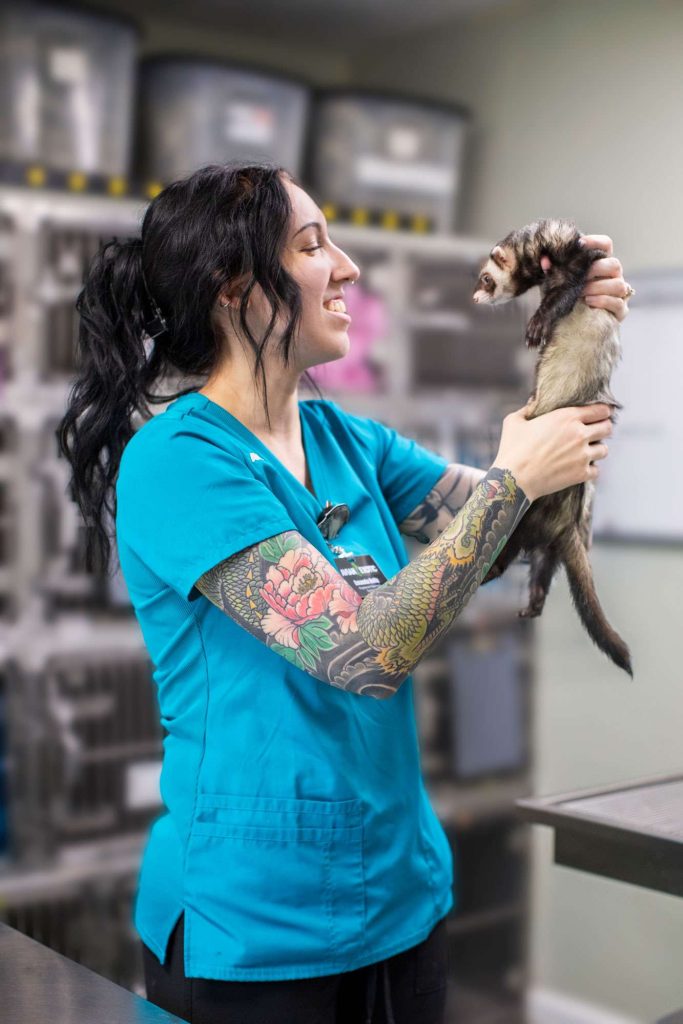
- Ferrets: These active little carnivores require a protein-dense diet with high fat content. Specifically formulated ferret diets are available, but holistic caregivers often provide raw meats, organ meats, and whole prey items to meet their complex nutritional needs.
- Fennec Foxes: These small desert-dwelling canids have unique dietary requirements, leaning towards a mix of insects, fruits, and small mammals in the wild. They thrive on a balanced diet that mimics their natural feeding patterns, stressing the importance of high protein from insect sources, such as crickets and mealworms.
Incorporating live or whole prey foods not only aligns with their natural hunting practices but also enriches their diet, as we see with species like the fennec fox. Behavioral enrichment through feeding replicates the natural challenges these animals would face in the wild, enhancing their overall welfare.
Feeding Frequency and Portion Sizes
Feeding frequency and portion sizes are critical components in the nutrition of exotic animals. Unlike domestic pets that may thrive on specific feeding schedules, many exotic species require a more flexible approach. For example, sparrows and other small birds often consume food throughout the day in small amounts, an approach that mirrors their natural behavior in the wild. Caregivers should consider providing multiple feeding times for species with high metabolism rates, such as hedgehogs and sugar gliders.
Portion sizes can be equally variable; what suits one species might be excessive for another. Understanding the specific caloric needs and metabolic rates of each species ensures that they maintain a healthy weight and avoid obesity or malnutrition. As specialized as these needs can be, the effort to tailor diets to each animal not only supports their health but also contributes to their psychological well-being.
All these detailed considerations culminate in the need for ongoing research and education within the field of exotic animal care. By staying informed about the latest findings regarding exotic animal nutrition, caretakers can continue to enhance the lives of their unique pets and ensure they remain healthy and vibrant companions.
DISCOVER MORE: Click here to find the perfect pet for your lifestyle
Conclusion
In conclusion, understanding the nutrition of exotic animals is a multifaceted endeavor that requires a careful consideration of each species’ unique dietary needs and natural behaviors. The delicate balance of nutrients—including proteins, vitamins, and essential fats—is critical for maintaining the health and vitality of these diverse creatures. As highlighted through various case studies, from the leafy greens beloved by iguanas to the protein-rich diets suitable for ferrets and the insect-based meals ideal for fennec foxes, it is evident that a one-size-fits-all approach is ineffective. Each species demands a tailored nutritional strategy to thrive.
Moreover, fostering behavioral enrichment through diet plays a pivotal role in enhancing their well-being. The incorporation of varied fruits and vegetables not only meets their nutritional needs but also stimulates their natural foraging instincts. This practice contributes to a more rounded quality of life for exotic animals, elevating their psychological and emotional health.
As caretakers, staying informed about the latest research in exotic animal nutrition is paramount. Sharing knowledge, attending workshops, and engaging with veterinary professionals can help ensure optimal care. By prioritizing a deep understanding of the specific dietary requirements of these remarkable animals, we can cultivate healthier environments that allow them to flourish in captivity. Ultimately, enriching their diets through informed choices will lead to vibrant, long-lasting companionships between exotic pets and their caregivers.