The Benefits of Natural and Organic Foods in Pets’ Diets
The Rise of Natural and Organic Pet Foods
In recent years, there has been a noticeable shift in consumer preferences regarding pet food. Pet owners today are becoming increasingly conscious of what they feed their furry companions. Amid this growing awareness, natural and organic foods have gained significant traction, characterized by their minimal processing and high-quality ingredients. It’s essential to explore the myriad benefits that these food options offer for your pet’s health and longevity.
Improved Nutritional Value
One of the most compelling arguments for transitioning to natural and organic diets is the improved nutritional value. Unlike conventional pet foods, which can be heavily processed, natural and organic options retain more vitamins, minerals, and enzymes that are beneficial for pets. For instance, many organic pet foods include whole grains like brown rice or oatmeal and protein sources such as chicken or fish, which contribute to a nutritionally balanced diet. A study published in the Journal of Animal Science highlighted that dogs fed organic diets showed a significant improvement in overall nutrient uptake, which can lead to better health outcomes.
Better Digestibility
Another advantage is better digestibility. Organic and natural foods typically contain fewer fillers—such as corn or soy—and artificial additives that can upset a pet’s stomach. A diet rich in whole, natural ingredients can often lead to firmer stools and less gastrointestinal distress. Many pet parents have reported a reduction in issues like bloating and gas after switching to organic options, allowing their pets to thrive without discomfort.
Enhanced Immune Function
Diets rich in antioxidants not only support immune function but can also help mitigate age-related health issues. Ingredients such as blueberries, spinach, and carrots, commonly found in organic pet foods, contain high levels of antioxidants that combat free radicals in a pet’s body. This immune boost can potentially reduce the need for costly veterinary visits, keeping both pet and owner healthier and happier. Additionally, research indicates that pets on organic diets may have a lower risk of developing chronic diseases associated with aging.
Food Transparency and Ethical Practices
In today’s landscape, food transparency is crucial. Pet owners are increasingly seeking out brands that prioritize high-quality ingredients and ethical sourcing. Many organic pet food manufacturers utilize locally sourced ingredients, ensuring that their products are fresh while also supporting local farmers and the community. This direct approach can often lead to a more trustworthy food supply chain. Furthermore, organic practices emphasize humane treatment of animals, potentially leading to better welfare standards in the food production process.
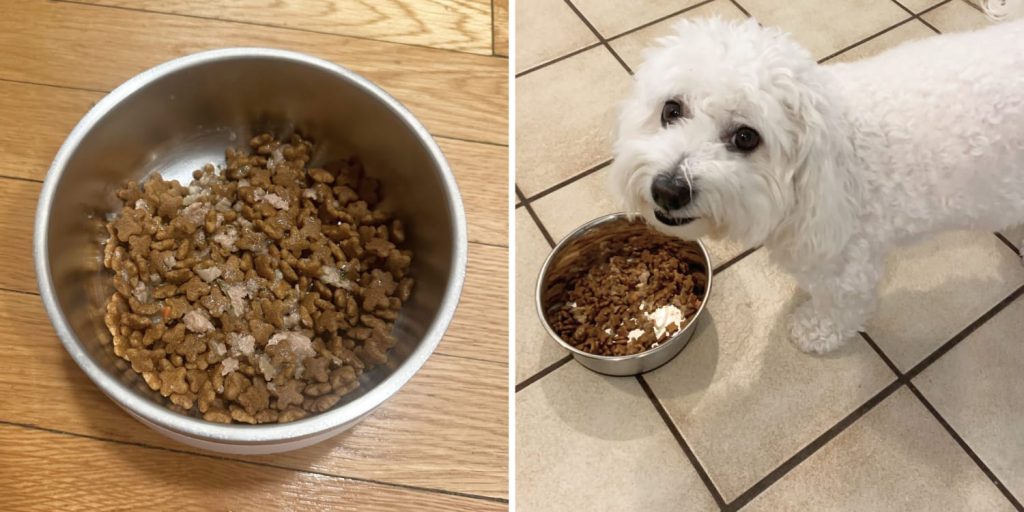
Furthermore, organic pet foods are typically free from harmful chemicals. By avoiding synthetic preservatives, colors, and flavors, these diets can reduce the exposure of pets to potential toxins that could harm their health in the long term. This commitment to purity is not just a trend; it’s a holistic change in how pet owners view their pets’ nutrition.
Conclusion
In conclusion, the decision to adopt a natural and organic pet food diet is a transformative step towards enhancing your pet’s quality of life. As consumers become more informed and concerned about health and wellness, embracing these food choices can lead to a cascade of benefits—from improved energy levels to a shinier coat. By carefully considering the best options for your beloved companion, you can pave the way for a happier, healthier future together.
DISCOVER MORE: Click here for essential insights
Nutritional Superiority of Organic Pet Foods
When considering the dietary options for our pets, the term “natural and organic.” often comes to the forefront of discussions among pet owners. The appeal lies in the perception that these diets are more wholesome and free from potentially harmful additives. But what does this really mean in terms of nutritional superiority? The ingredients found in natural and organic pet foods are often sourced from high-quality, unprocessed materials, which can lead to a more balanced diet. For instance, rather than relying on low-quality fillers often found in traditional pet foods, organic options incorporate fresh meats, fruits, and vegetables, providing pets with essential nutrients that contribute to their overall health.
Ethical Benefits and Animal Welfare
Choosing organic pet food is not solely about nutrition; it also encompasses principles of ethical supply chains and animal welfare. Many organic brands prioritize humane farming practices, which often means that the animals producing the ingredients are raised in more natural environments compared to conventional farming. By selecting products with certifications, such as USDA Organic, pet owners can ensure that the food meets specific standards regarding animal treatment. This transparency not only promotes better welfare for animals involved in the food system but also resonates with pet owners who care deeply about the ethics behind their purchases.
Environmental Impact Considerations
Additionally, the composition of organic pet foods can have a notable effect on environmental sustainability. The farming practices associated with organic agriculture typically aim to reduce chemical usage, promoting biodiversity and protecting ecosystems. Organic farming prohibits the use of synthetic pesticides and fertilizers, curbing soil and water pollution. When pet owners opt for organic, they contribute to a larger movement towards less harmful agricultural practices. Here’s a brief overview of the environmental benefits:
- Reduced Chemical Load: Lower reliance on harmful substances protects both wildlife and human health.
- Biodiversity Preservation: Organic practices help maintain diverse ecosystems, fostering a healthier planet.
- Soil Health: Organic methods improve soil quality, promoting sustainable agriculture for future generations.
Less Risk of Allergies and Sensitivities
As pets develop various health issues, food allergies and sensitivities have been commonly reported by veterinarians. Many conventional pet foods contain ingredients like fillers, artificial flavors, and preservatives that may trigger allergic reactions. Conversely, natural and organic diets focus on using fewer, high-quality ingredients, making it easier to identify potential allergens. For instance, a pet owner may notice a significant decrease in skin irritations or digestive problems after removing common allergens from a pet’s diet. Consulting with a veterinarian can help determine if a switch to organic food may alleviate these issues, promoting optimal health and comfort for furry friends.
In summary, the convergence of nutritional value, ethical practices, environmental considerations, and health benefits illuminates the advantages of transitioning to natural and organic pet foods. As more research underscores these benefits, pet owners are encouraged to reconsider the options available for their beloved companions. By choosing wisely, they can enhance not only their pet’s well-being but also contribute to a healthier world.
| Advantage | Description |
|---|---|
| Nutritional Value | Natural and organic foods are often richer in essential nutrients, offering pets better energy levels and overall health. |
| Allergy Relief | Natural ingredients can help reduce allergies and sensitivities, offering pets a more comfortable and healthier lifestyle. |
| Weight Management | Organic pet foods typically have fewer fillers and artificial additives, aiding in weight control for pets. |
| Improved Digestion | Natural diets often contain higher levels of fiber which promote better digestion in pets. |
The movement towards feeding pets natural and organic foods sees an increasing number of pet owners recognizing the importance of nutritional transparency. In today’s market, many pet food brands are introducing organic formulations that prioritize a balanced diet made from whole, unprocessed ingredients. This shift is not merely trend-driven; it is a response to the growing awareness of how what pets consume impacts their health, longevity, and quality of life. Research suggests that pets eating organic diets tend to experience fewer health issues, including skin conditions and gastrointestinal disorders.Moreover, advocates of organic pet food often argue that these diets contribute to a more sustainable ecosystem. Choosing organic not only benefits pets but also supports farming practices that are environmentally friendly and reduce exposure to harmful pesticides and chemicals. While the benefits of a natural and organic diet for pets are increasingly evident, pet owners are encouraged to consult with veterinarians to tailor dietary choices to their pets’ specific needs, ensuring they receive the right nutrients and energy for a healthy lifestyle.
LEARN MORE: Click here to discover the key benefits
Health and Longevity Benefits
Shifting to natural and organic foods for pets can have profound implications for their long-term health and longevity. Numerous studies have indicated that pets consuming high-quality, organic diets may experience a reduced risk of chronic health conditions, such as obesity, diabetes, and even certain cancers. This is largely attributed to the absence of harmful additives, grains, and high levels of carbohydrates commonly found in conventional pet foods. For instance, a study published in the Journal of Animal Science revealed that dogs fed organic foods had a significantly lower incidence of obesity compared to peers on typical commercial diets.
A Healthy Gut Equals a Happy Pet
One of the most notable areas where natural and organic pet foods make a difference is in gut health. A strong gastrointestinal system is crucial for absorbing nutrients and maintaining overall well-being. Organic diets often include probiotics and prebiotic ingredients, which support healthy gut flora and enhance digestive function. This improvement can lead to less severe issues related to diarrhea, constipation, and gas. By incorporating ingredients such as sweet potatoes, whole grains, and vegetables like carrots and peas, pet owners can fuel their pets with natural sources of fiber, ensuring smooth digestion.
Weight Management and Energy Levels
Maintaining a healthy weight opens the door to increased energy levels for pets. With organic pet foods, the focus shifts to nutrient-dense ingredients without excessive fillers that contribute to weight gain. High-quality proteins, derived from ethically raised meat sources, paired with wholesome carbohydrates, help pets feel satisfied without the overconsumption typically seen with poorer quality foods. As a bonus, adequate nutrient balances can enhance energy levels, making pets more active and engaged. This is particularly beneficial for older pets who may require more attention to their dietary intake to guard against typical age-related health issues.
Customized Nutrition for Specific Needs
Natural and organic pet foods often provide options that cater to specific dietary needs, such as grain-free, hypoallergenic, or even raw diets. This adaptability allows for tailored nutrition that addresses the varying health requirements of pets at different life stages or those suffering from specific ailments. Pet owners can find brands that offer targeted nutrition, such as foods rich in omega-3 fatty acids that can promote skin and coat health, or diet formulas low in carbohydrates that are designed specifically for weight management.
Moreover, many brands leverage transparency when it comes to ingredient sourcing, allowing pet owners to make informed decisions about what goes into their pets’ diets. This information can help alleviate concerns surrounding dietary selection, enabling owners to maintain their pets’ optimal health. By consciously selecting organic and natural foods, pet owners invest in the well-being of their furry companions, fostering a healthy lifestyle that extends beyond the dog or cat bowl.
The Role of the Pet Owner in Diet Choices
As advocates for our pets’ health, the role of the pet owner is vital. Engaging with veterinarians and nutritionists can help decipher the best possible diet choices available in the organic realm. It is advantageous to prioritize well-researched brands with quality certifications while keeping abreast of the latest findings in pet nutrition. This partnership can ensure that each pet gets the most beneficial diet tailored to their unique lifestyle.
By becoming informed consumers who champion what they feed their pets, owners hold the key to unlocking a future filled with vitality and health for their beloved animals. The benefits of natural and organic foods in pets’ diets extend far beyond mere nutrition; they encapsulate the choice of a lifestyle that promotes well-rounded wellness, enriched experiences, and meaningful longevity.
LEARN MORE: Click here to discover the impact of early socialization on adult dogs
Conclusion
In summary, the transition to natural and organic foods in pets’ diets can significantly enhance their overall health, vitality, and quality of life. The numerous benefits highlighted in this article—from improved gut health to better weight management—demonstrate that these food choices can serve as a cornerstone for a longer, healthier existence for our furry companions. By prioritizing high-quality ingredients free from harmful additives, pet owners can minimize the risk of chronic health issues while promoting optimal wellness.
Moreover, the ability to customize nutrition to meet specific needs fuels the notion that every pet can thrive on a carefully curated diet tailored to their lifestyle and health requirements. Engaging actively with veterinarians and nutritionists can empower pet owners to make informed decisions about the food they provide, ensuring their pets receive the best possible nourishment available.
As we continue to learn more about the significance of organic and natural diets, it becomes increasingly clear that feeding our pets with intention transcends mere sustenance. It fosters deeper connections between owners and their pets, promotes enriched experiences, and ultimately leads to a life filled with energy and happiness. By embracing this natural approach, we can contribute to a legacy of health that resonates through the lives of our cherished companions, redefining pet ownership as a partnership rooted in love, responsibility, and well-being.