Menu

The Influence of Legislation on Pet Welfare Standards in the United States

Legislation significantly influences pet welfare standards in the United States, shaping the treatment and care of animals. Recent laws address issues like animal cruelty, breeding practices, and pet adoption, promoting humane treatment. As societal attitudes evolve, these legal frameworks are essential for ensuring the well-being of pets nationwide.

The Effects of Socialization on Pet Well-being: Best Practices for Owners

Socialization is crucial for pet well-being, enhancing emotional health and adaptability. Effective practices include gradual exposure to diverse environments, controlled introductions, and positive reinforcement training. Tailoring socialization strategies to individual needs fosters positive behaviors, reduces anxiety, and strengthens the owner-pet bond, resulting in happier, healthier companions.

Exploring the Role of Foster Care in Animal Welfare: Bridging the Gap for Pets in Need

Foster care is a critical solution in animal welfare, providing temporary homes for pets in need. It enhances adoption rates, promotes behavioral rehabilitation, and fosters community engagement. By supporting overwhelmed shelters, foster caregivers play a vital role in ensuring animals receive the care needed for a loving forever home.

The Impact of Pet Adoption on Animal Welfare: A Case for Shelters

Pet adoption significantly enhances animal welfare by reducing shelter overcrowding and euthanasia rates while fostering community engagement. By adopting, individuals also promote responsible pet ownership and improve the quality of life for both pets and owners. Supporting local shelters through adoption initiatives creates a compassionate society for all.

Understanding the Role of Veterinary Care in Promoting Animal Welfare for Pets

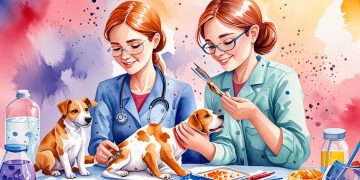
Veterinary care is essential for promoting animal welfare in pets, encompassing preventive services, education, and emergency interventions. Regular veterinary visits enhance pet health, foster informed decision-making among owners, and strengthen the human-animal bond, ultimately leading to happier and healthier lives for pets.

The Role of Community Engagement in Enhancing Pet Welfare

Community engagement is crucial for enhancing pet welfare, fostering responsible pet ownership, and building supportive networks among pet owners and organizations. Through education, volunteerism, and local initiatives, communities can address animal welfare challenges, improve adoption rates, and strengthen social bonds, ultimately leading to happier pets and healthier neighborhoods.


The Importance of Nutrition in Maintaining Pet Animal Welfare

Proper nutrition is essential for maintaining pet animal welfare, impacting both physical health and emotional well-being. A balanced diet, tailored to individual needs, helps prevent diseases, manage weight, and enhance energy levels, leading to happier, healthier pets. Understanding specific dietary requirements fosters responsible pet ownership and enriches the pet-owner bond.

Exploring the Ethical Considerations of Pet Breeding and Its Effects on Animal Welfare

The ethical considerations surrounding pet breeding deeply impact animal welfare. Issues such as health risks from inbreeding, pet overpopulation, and the prevalence of puppy mills highlight the need for responsible breeding practices. Promoting consumer awareness and encouraging shelter adoption can foster a more humane environment for pets.

Responsible Pet Adoption Choosing the Right Pet for Your Lifestyle

The article explores how to responsibly select a pet that aligns with your lifestyle. It emphasizes considering factors like living space, time commitment, and activity level. Understanding these elements can guide you in choosing a pet that enhances your life without overwhelming your responsibilities.

How Social Media Drives Animal Adoption Trends Welfare Impact

Social media amplifies animal adoption by increasing awareness and engagement with potential adopters. Viral content highlights pets' unique stories and personalities, inspiring people to adopt. Influencers and platforms foster communities that share adoption successes, ultimately improving animal welfare and accelerating adoption rates.