Create a Safe and Stimulating Environment for Pets Essential Tips
Ensuring our furry companions feel both safe and stimulated is crucial for their overall well-being. A well-designed environment contributes not only to their physical safety but also to their mental health, helping prevent behavioral issues and fostering a stronger bond between pet and owner. In a world where more pets are adopted than ever, understanding how to create this nurturing atmosphere is essential.
Creating a safe and stimulating environment involves a mix of proper space management, engaging activities, and safety precautions. These elements will help your pet thrive, ensuring they are happy and fulfilled. To guide you in this endeavor, we’ll explore the Top 5 essential tips for transforming your home into a pet-friendly paradise.
Stay tuned as we break down innovative ways to not only protect your pet but also keep them entertained and active. The tips ahead are geared to equip you with insights that can revolutionize your pet’s living experience.
Top 5 Ways to Create a Safe and Stimulating Environment for Pets
Creating a safe and stimulating environment for your beloved pets is not just a luxury; it’s essential for their happiness and well-being. A content and healthy pet contributes to a harmonious home environment, and as caretakers, we’re responsible for ensuring they live under the best possible conditions. Here, we present our top five strategies to achieve this goal, beginning with the fundamentals and leading to the most impactful recommendation for your pet’s safety and mental enrichment.
5. Choose Safe and Durable Furniture
Furnishing a pet-friendly home starts with selecting furniture that can withstand your pet’s unique behaviors and habits. Given that our furry friends can be unpredictable, scratch-resistant, and robust furniture is a worthwhile investment. Consider materials such as:
- Scratch-resistant – Fabrics like microfibers and leather tend to resist claw marks better than others. For instance, instead of traditional woven fabrics that can easily be damaged by a cat’s claws, microfibers offer a more resilient alternative.
- Easy to clean – Houses with pets inevitably face spills and accidents. Fabrics that can be wiped clean, or covers that are machine-washable, like those with slipcovers, make maintaining hygiene much simpler.
- Pet-friendly – Opt for furniture with non-toxic finishes. Many furniture items today are treated with chemicals that might pose ingestion risks to curious pets.
Making these smart choices not only protects your furniture but also creates a safer environment for your animals, minimizing their interaction with hazardous materials.
4. Create Designated Play Areas
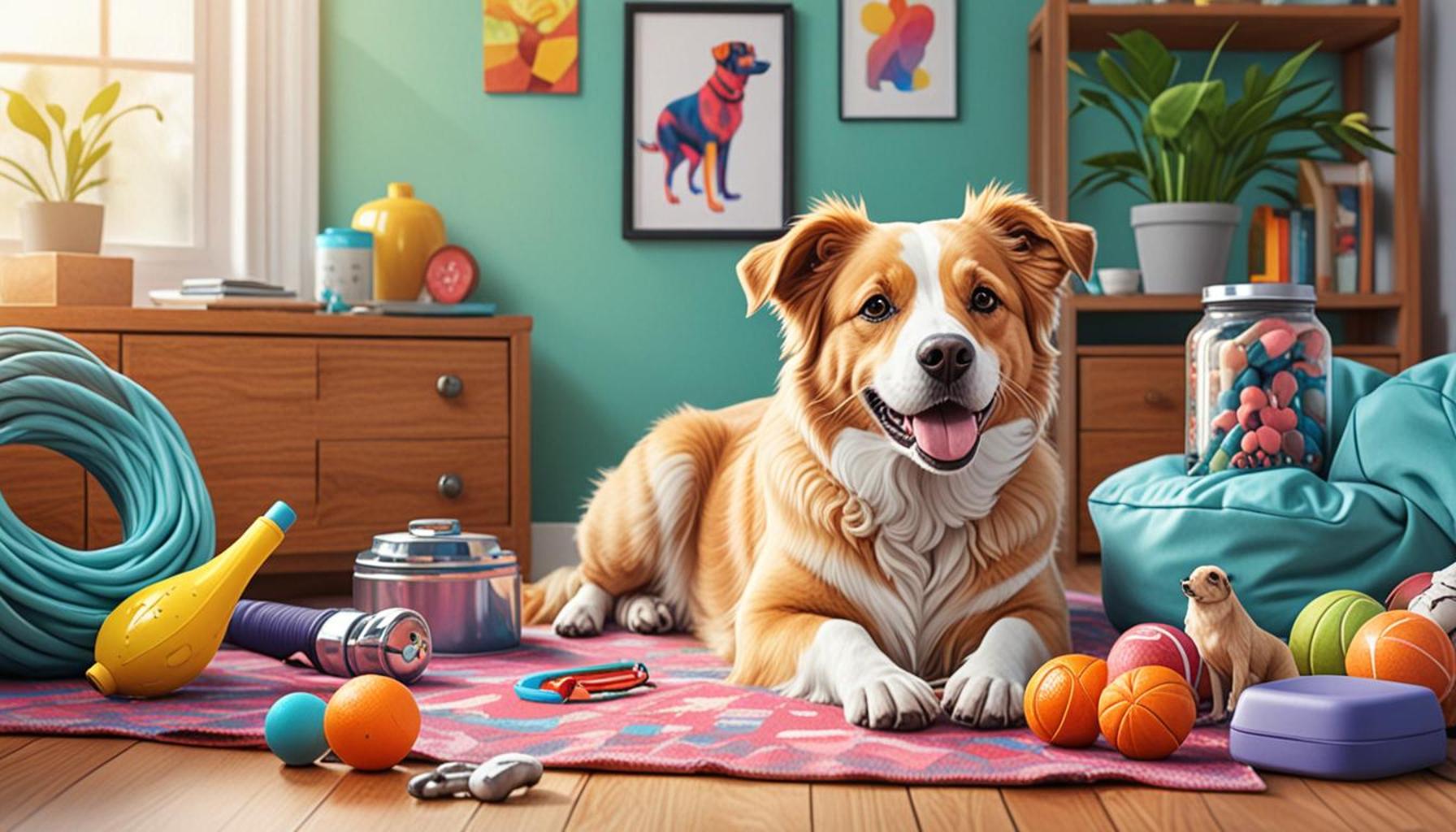
Giving your pet its own space to play can drastically improve their quality of life, making your home feel bigger and more exciting. Designated play zones ensure they have safe spaces to indulge their playful natures. Features to include are:
- Interactive toys – Toys like puzzle feeders or treat-dispensing balls challenge pets mentally, keeping boredom at bay. For example, a Kong toy filled with treats keeps a dog engaged as it tries to extricate the goodies within.
- Climbing structures – Cats particularly enjoy vertical spaces, such as cat trees, window perches, or climbing shelves. These not only provide exercise opportunities but also fulfill their instinctual need to survey their territory from higher ground.
- Open spaces – Whether it’s a section of your living room or a backyard spot, open areas let pets run freely, helping expend energy and exercise muscles.
Play areas offer mental and physical enrichment, reducing the likelihood of pets seeking entertainment in potentially dangerous areas, such as kitchen countertops or hazardous nooks.
3. Secure Hazardous Areas
Securing your home means minimizing exposures to risks and guaranteeing that your pets’ adventures remain harmless. Pets, particularly puppies and kittens, have a natural curiosity that can lead them into danger. Strategies for securing your space include:
- Install baby gates – Use gates to keep pets from accessing rooms that may house choke hazards, sharp objects, or valuables.
- Store chemicals securely – Cleaners, medications, and other hazardous materials should always be stored in cabinets or storage areas that your pets cannot open. Consider childproof locks for extra security.
- Electrical outlet covers – Just as you would childproof your home, use outlet covers and manage cords to prevent potential electric shocks which can occur if pets chew through electrical cables.
These preventative measures are crucial in thwarting accidents that could result in injury or illness, thus keeping your home a true sanctuary for your pets.
2. Provide Mental Stimulation
Mental stimulation is as vital as physical safety, preventing boredom and encouraging positive behaviors. Cognitive challenges nurture emotional stability and happiness, often manifesting in less destructive tendencies. Methods to foster mental engagement include:
- Rotate toys – Keeping toys fresh by rotating them can rekindle your pet’s interest. Particularly for dogs, hiding toys and bringing them back a few weeks later relieves monotony.
- Teach new tricks – Engaging your pet in learning ensures continual mental challenges. Training not only enhances your pet’s skills but also strengthens the bond between owner and pet, making them feel valued and appreciated.
- Engage in sensory games – Introduce games that use their senses, like scent trails and hidden treats. For example, you might hide small treats around the house to engage a dog’s natural sniffing instincts.
Focusing on mental activities keeps your pets sharp, enhancing their quality of life and significantly reducing the stress and anxiety associated with idle periods.
1. Foster Positive Social Interactions
The most significant factor in a pet’s thriving environment is facilitating meaningful social interactions. Pets, like humans, thrive on companionship. Nurturing social bonds encourages their emotional growth and comfort. Here’s how you can do it:
- Regular family time – Dedicate portions of your day to interact with your pet, whether it’s through play, grooming, or simply sitting together. This interaction fosters trust and emotional security.
- Socialize with other animals – Organized social activities like trips to a dog park or playdates help pets develop essential social skills and reduce feelings of isolation.
- Positive reinforcement – Reward your pet with treats or praise in response to good behavior and proper social interactions. This encourages desirable behaviors and builds positive associations.
Prioritizing social interaction leads to an emotionally rich environment where pets not only feel safer but thrive holistically. Fostering these connections achieves what mere physical safety and mental stimulation can’t—emotional balance and contentment.
In conclusion, by integrating these strategies, pet owners can craft a home that truly nurtures their pets, creating a warm, secure, and dynamic atmosphere that meets all the needs of their cherished companions. The ultimate reward is not only the happiness of a pet but also the joy and satisfaction derived from witnessing them flourish in a space crafted with love and care.
| Category | Details |
|---|---|
| Safe Spaces | Creating designated safe zones for pets helps reduce anxiety. These areas should include comfortable bedding, toys, and familiar scents to promote a sense of security. |
| Environmental Enrichment | Introducing interactive toys and puzzles stimulates a pet’s mind. Regularly rotating toys can keep their interest fresh and encourage problem-solving skills. |
| Safety Measures | Implementing child-proof locks on cupboards storing harmful substances and using non-toxic cleaning products ensures a safer environment for pets. |
| Routine and Structure | Establishing a daily routine provides consistency, helping pets feel secure. This includes scheduled times for feeding, exercise, and play, which are vital for mental well-being. |
Creating a safe and stimulating environment for pets involves several layers of consideration, focusing primarily on their physical and mental well-being. From securing spaces within your home to adopting enrichment activities, each aspect plays a crucial role in enhancing the quality of life for your beloved animals.By creating safe spaces, you not only give pets a sanctuary from stressors but also allow them to explore their surroundings in a controlled manner. For instance, areas with soft bedding and familiar toys can help animals decompress after a long day, fostering a sense of emotional safety that is essential for their overall health.Environmental enrichment is another critical factor contributing to pet satisfaction. Engaging a pet’s senses through varied and exciting toys can alleviate boredom, which is a common source of anxiety for animals. Rotating their toys regularly can introduce novelty, encouraging active play and mental engagement, both of which are vital for a pet’s happiness.Safety protocols should be diligently implemented, addressing potential hazards in the environment. Utilizing non-toxic products, managing household access to risky areas, and maintaining a clean, hazard-free space can significantly reduce accidents, making the environment more conducive to a pet’s exploration and enjoyment.Finally, establishing a routine not only brings structure to a pet’s life but also builds trust and predictability. This structure can lead to a lower anxiety level, solidifying a secure living space that benefits both pets and their owners.
Frequently Asked Questions about Creating a Safe and Stimulating Environment for Pets
What are the most important aspects of making a home safe for pets?
Ensuring a safe home environment for your pet begins with the basics, like removing toxic plants and securing food storage. Many common household items can pose risks to pets, including cleaning supplies and electrical cords. Make sure to keep these out of reach or safely stored away. Additionally, creating designated resting and feeding areas can help reduce stress and enhance your pet’s sense of security. It’s also vital to regularly check for and eliminate any potential hazards, such as loose wires or small objects that could be swallowed.
How can I enrich my pet’s environment to keep them engaged?
An enriched environment is crucial for preventing boredom and promoting mental stimulation. For cats, consider adding vertical spaces like shelves or cat trees, where they can climb and observe their surroundings. Dogs benefit from toys that challenge their problem-solving skills, like puzzle feeders. Rotating toys can also keep things fresh and interesting. Furthermore, consider incorporating scent trails, sound-based games, and interactive gadgets to cater to different senses.
How can I create a stress-free space for a newly adopted pet?
Bringing a new pet home is an exciting time, but it can also be stressful for them. Begin by establishing a consistent routine and setting up a quiet, comfortable space, away from the hustle and bustle of your household. Ensure your new pet has access to fresh water, healthy food, and a cozy bed. Spend time bonding with them through play and gentle interaction. Patience is key, as it may take time for them to adjust to their new setting. Gradually introduce them to other areas of your home and family members to avoid overwhelming them.
Are there specific requirements for different types of pets?
Yes, different pets have unique needs. For example, reptiles often require specific temperature and humidity conditions, while birds need opportunities for flight and social interaction. Fish require clean, filtered water and a tank decorated with plants or rocks to mimic their natural habitat. Researching the specific needs of your pet species is critical to providing an optimal environment. Consult with a veterinarian or a pet care specialist to ensure your pet’s living conditions meet their specific needs and promote a healthy lifestyle.
Conclusion
Creating a safe and stimulating environment for pets is not just about providing the basics; it’s about offering a space that nurtures both their physical and psychological well-being. Throughout our exploration of this topic, we’ve examined several key aspects that contribute to an enriched pet habitat.
First, ensuring physical safety is paramount. This involves pet-proofing your home by securing toxic substances and ensuring access to safe toys and structures. Additionally, the importance of mental stimulation cannot be overstated. Providing interactive toys, puzzles, and opportunities for exploration helps to keep pets engaged and content.
Social interaction plays a crucial role in a pet’s life. Regular playtime and socialization, either with humans or other animals, contribute significantly to their happiness and emotional health. Equally, creating a routine that includes balanced nutrition and exercise is vital for maintaining their physical health and energy levels.
Moreover, a pet-friendly environment must address the specific needs based on the type of animal. Tailoring solutions to their species, breed, and individual personality ensures a more personalized and effective approach to their care.
Overall, the responsibility of cultivating such an environment is a reflection of our dedication to our animal companions. By staying informed and proactive, we can enrich the lives of our pets, encouraging them to thrive, not just survive. For those eager to delve deeper into innovative strategies and products that can enhance the pet experience, the ever-growing field of pet care offers a wealth of information waiting to be explored.