
How Early Socialization Impacts the Behavior of Adult Dogs

Understanding the Crucial Role of Early Socialization
The formative years of a dog’s life are pivotal in shaping their future behaviors and interactions with the world. Early socialization plays a fundamental role in determining whether a puppy grows up to be a well-adjusted adult or develops behavioral problems. Research continually underscores that a puppy exposed to diverse experiences tends to emerge as a happier and more confident adult. In contrast, those deprived of such exposure may exhibit anxiety, aggression, or fearful behaviors throughout their lives.
Why Socialization Matters
- Behavioral Development: The impact of early social interactions testifies to the importance of socialization. Puppies that learn to interact positively with the environment are less likely to display aggression, suffer from anxiety, or develop fearful tendencies as they mature.
- Adaptability: A well-socialized dog thrives on new experiences. Such adaptability can be crucial in everyday life, whether it’s navigating crowded spaces or meeting unfamiliar animals without fear or hostility.
- Human Interaction: Positive early interactions with humans encourage sociability. Dogs that encounter pleasant experiences with people during the crucial socialization window are generally more friendly and relaxed around strangers.
In the United States, many dog owners may not recognize that the crucial period for effective socialization occurs between three and fourteen weeks of age. During these formative weeks, exposing puppies to a variety of environments, people, and other animals can significantly enrich their social skills. For instance, introducing a puppy to children, various noises, and even different types of transportation can lead to a well-adjusted adult dog. Research indicates that properly socialized dogs show improved behaviors towards various stimuli, ultimately enhancing their quality of life.
What Early Socialization Looks Like
- Positive Experiences: It’s vital that puppies have gentle, enjoyable interactions with a range of people and environments. This could include rewarding experiences with gentle strangers or playful interactions with other friendly dogs.
- Controlled Environments: Puppy classes and organized playdates provide opportunities for safe social exploration. Trainers can guide experiences to ensure they remain positive, preventing overwhelming situations.
- Frequent Exposure: Regular outings to parks, pet-friendly stores, and family gatherings expose puppies to different sights and sounds, fostering confidence and reducing the likelihood of fearful behavior with new experiences.
Understanding the significance of early socialization illuminates how dog owners can profoundly influence their pets’ futures. The impact of these early experiences lays the groundwork for a well-rounded adult dog, capable of navigating the complexities of human environments. As awareness around this topic grows, it’s essential for potential dog owners to recognize their role in shaping their puppy’s social identity from the very first weeks. The optional journey of nurturing an adaptable and confident dog is not only rewarding but crucial for both the pet and the owner.
DISCOVER MORE: Click here for positive training techniques
The Long-Lasting Effects of Early Experiences
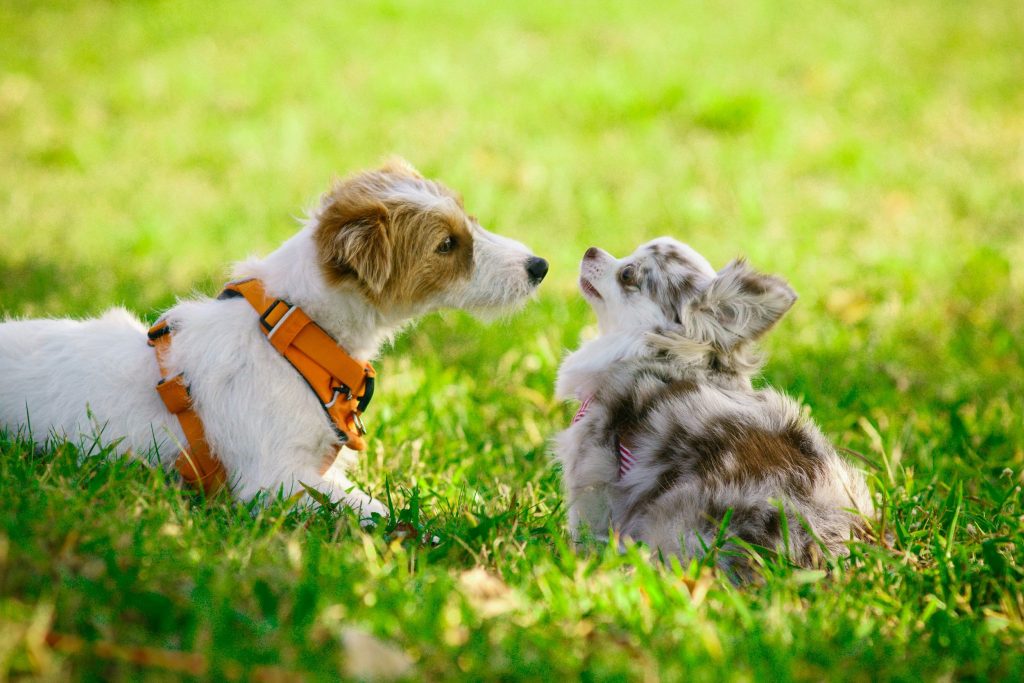
The journey of a puppy into adulthood is significantly influenced by its early interactions and experiences. This stage is often referred to as the critical socialization period, which is essential in equipping dogs with the necessary social skills to thrive. Understanding this phase not only enriches the relationship between the dog and its owner but also affects the broader community, as well-socialized dogs are less likely to develop behavioral issues that can lead to accidents or conflicts. A holistic approach to early socialization can build a foundation for confidence in adult dogs, helping them successfully navigate diverse settings.
Key Elements of Effective Socialization
- Diverse Exposure: Introductions to various people, situations, and environments are crucial. By experiencing different sights, sounds, and smells, puppies can adapt more easily as adults. This exposure could be as simple as encountering children playing, hearing city traffic, or visiting the pet store.
- Positive Reinforcement: Making early socialization rewarding is vital. Using treats and praise during new encounters ensures that puppies associate these experiences with good feelings, fostering a positive outlook as they mature.
- Ongoing Social Interactions: Consistency is key. Regularly scheduled playdates with other puppies or attendance at training classes can provide continual opportunities for social growth, fortifying the lessons learned in early weeks.
The potential consequences of neglecting the socialization phase can be dire. According to studies, 70% of behavioral problems found in adult dogs stem from insufficient socialization during these critical weeks. Issues such as fear-based aggression or severe anxiety are not uncommon among dogs that have not been adequately socialized. When faced with unfamiliar environments or situations, these dogs may react defensively, leading to incidents that could strain relationships with humans and other pets.
Understanding Puppy Behavior
Recognizing typical puppy behavior is essential for effective socialization. Puppies often exhibit a range of behaviors, such as playful biting, barking, and exploring their surroundings, which are natural steps in their development. While these behaviors can be delightful, they also require guidance to ensure they translate into proper adult conduct. Developing a comprehensive socialization strategy that incorporates appropriate boundaries while promoting positive interactions is vital for all responsible dog owners.
The relationship between early socialization and adulthood behavior offers valuable insights for both current and prospective dog owners. Efforts to prepare puppies for their adult lives not only contribute to their well-being but also enhance the lives of their human companions. Ensuring that dogs are properly socialized can lead to a more harmonious and enjoyable experience for all involved. As we further explore how these early experiences shape adult behavior, it’s clear that investing time and effort in socialization is a crucial step that pays dividends for years to come.
As we dive deeper into the significance of early socialization for adult dogs, it’s essential to consider how this foundational practice shapes not just behavior, but also the mental well-being of our canine companions. Early socialization involves exposing puppies to a variety of environments, experiences, and stimuli—ranging from different people and animals to varied sounds and textures. The absence of this vital exposure often leads to negative behavioral patterns in adult dogs.Socially well-adjusted dogs tend to display more confidence and adaptability in novel situations. For instance, a dog that has been positively introduced to various people and animals during its critical developmental period is less likely to develop anxiety or aggression in adulthood. Conversely, dogs that lacked these experiences may exhibit fearfulness and uncertainty, leading to aggressive or undesirable behavior. Research indicates that puppies exposed to diverse social experiences tend to be more tolerant and less reactive to situations that might otherwise elicit fear or aggression. This socialization period typically occurs between 3 to 14 weeks of age, making it crucial for owners and breeders to prioritize this formative stage. Furthermore, early interactions can significantly influence a dog’s ability to engage positively with their environment throughout their life.In addition to curbing adverse behaviors, early socialization can foster better bonding with their human families. Dogs that undergo proper social exposure are often more trustworthy and better behaved, making them ideal companions. Early interactions with different species can also promote better interspecies relationships, allowing dogs to coexist harmoniously with other pets. Beyond mere behavior modification, the psychological benefits of early socialization cannot be overstated. Socializing helps prevent loneliness and boredom, reducing the likelihood of behavioral issues that arise from pent-up energy or anxiety. Socially enriched dogs tend to cope better with changes in their environment, whether it is a new home or different settings.Encouraging positive experiences during early stages of a dog’s life not only leads to well-adjusted pets but also creates a more peaceful coexistence in communities flooded with various breeds and temperament types. It is vital for dog owners and trainers alike to promote and facilitate environments conducive to their early development. Investing time and effort into socialization can dramatically enhance the quality of life for dogs, ensuring they become beloved and well-adjusted members of society.To further explore the benefits of early socialization and how it significantly impacts the behavior of adult dogs, consider the following aspects presented below.
DISCOVER MORE: Click here to learn about the benefits of a balanced diet for your pets
The Social Skills Necessity for a Balanced Life
As puppies transition into adulthood, the depth of their early socialization experiences profoundly influences their behavior and adaptability. A well-socialized puppy grows into a dog that can handle stressors in its environment, such as loud noises, bustling crowds, or unexpectedly meeting other animals. In contrast, a lack of exposure can lead to undue stress during encounters that a well-adjusted dog might navigate with ease. The concept of environmental enrichment, which includes socialization, is vital for dogs’ mental and emotional well-being. Various studies indicate that dogs lacking sufficient social interaction often display signs of anxiety and aggression as adults.
The Role of Training in Socialization
Incorporating structured training within socialization efforts can create lasting behavioral benefits. Early obedience training provides not only basic commands but also teaches puppies how to interact respectfully with humans and other animals. Positive reinforcement techniques are particularly effective during the impressionable stages of a puppy’s life. A study published in the journal PLOS ONE highlighted that dogs trained through reward-based systems exhibit less fear-based behavior than those trained using harsh methods. Such results underscore the importance of fostering a nurturing atmosphere that promotes both engagement and learning.
Challenges of Inadequate Socialization
Failure to provide adequate socialization can result in severe long-term implications for adult dogs. In fact, research conducted by the American Society for the Prevention of Cruelty to Animals (ASPCA) suggests that approximately 50% of behavioral issues identified in dogs can be traced back to improper socialization during their formative weeks. Fearful dogs, for instance, may find themselves in situations where they feel cornered, leading to aggressive escapes or defensive behaviors that can become dangerous. Additionally, adult dogs that lacked social exposure may struggle in public settings, leading to increased reliance on their owners for support during stressful situations.
The Impact on the Human-Dog Relationship
The ramifications of early socialization extend beyond the individual dog; they reach the very fabric of the human-canine relationship. Dogs that are approachable and friendly foster more positive interactions with their owners and the community. For example, many doggy daycare facilities highlight that well-socialized dogs tend to be less reactive and more adaptable, reducing stress for both pet owners and staff. Creating a dog that can confidently engage with others opens opportunities for social outings, competitions, and regular activities, which enhance the emotional bond between dogs and their families.
Understanding the intricate connection between early socialization experiences and adult behavior is crucial for responsible pet ownership. By investing time and effort into socializing puppies, owners can cultivate well-adjusted companions who contribute positively to their surroundings and lead happier, healthier lives. As we continue to examine how these principles apply, it becomes increasingly clear that early socialization is not merely a phase but a foundation for a fulfilling dog’s life.
DISCOVER MORE: Click here to learn about the benefits of a balanced diet for your pet
Conclusion: The Lasting Benefits of Early Socialization
In summary, early socialization plays a pivotal role in shaping an adult dog’s behavior, establishing the groundwork for a well-rounded and confident companion. The benefits of exposing puppies to various environments, experiences, and interactions cannot be overstated; studies consistently show that well-socialized dogs are less likely to exhibit behaviors associated with anxiety and aggression. As they mature, these dogs navigate everyday challenges—such as crowded parks or unfamiliar noises—far more adeptly than their inadequately socialized counterparts.
The connection between structured training and socialization reinforces the need for a comprehensive approach in puppy development. By integrating positive reinforcement training techniques during early exposure to different stimuli, owners can greatly reduce the likelihood of behavioral issues later in life. Additionally, the implications extend beyond the individual dog; a well-socialized pet enhances the fabric of the human-animal bond, fostering deeper relationships and enjoyable experiences for both parties.
Ultimately, the onus lies on dog owners and trainers to prioritize early socialization as more than just a phase—embracing it as a critical component of responsible pet ownership. As communities increasingly recognize the importance of socialization in combatting behavioral problems, it becomes clear that prioritizing these foundational experiences is essential for cultivating happy, healthy adult dogs. By understanding and implementing effective socialization strategies, we set our furry companions on a path toward a fulfilling and harmonious life alongside us.