How Social Media Drives Animal Adoption Trends Welfare Impact
In today’s digital landscape, social media has become a powerful tool that reshapes our interactions and influences our decisions. The world of pet adoption is no exception, as platforms like Instagram, Facebook, and TikTok connect potential pet owners with adoptable animals in unprecedented ways. This change not only facilitates adoptions but also fosters a greater awareness of animal welfare.
Consider these critical points:
- Visual Appeal: Pictures and videos of animals create emotional connections, encouraging viewers to adopt.
- Community Support: Online communities rally to promote adoptable pets, amplifying their visibility.
- Influencer Impact: Pet influencers can shift public perception, making adoption trendy and desirable.
Understanding the dynamics of how social media affects adoption trends is crucial for improving animal welfare. In this article, we will explore the Top 5 ways social media drives animal adoption trends and examine its broader implications on the well-being of our furry friends. Get ready to discover how your scrolling can make a difference.
Top 5: The Influence of Social Media on Animal Adoption – Trends and Impacts on Animal Welfare
In recent years, social media has fundamentally transformed the way we communicate, share, and understand a variety of social issues, with animal adoption being no exception. Platforms such as Instagram, Facebook, and TikTok have not only enabled communities to foster deeper connections but have significantly bolstered the outreach efforts of animal welfare organizations. These online spaces have become instrumental in promoting pet adoption and advocating for animal welfare. In this expanded discussion, we delve into the top five ways social media has influenced animal adoption, ranked from the least to the most significant, to spotlight the ever-evolving landscape of animal rescue and welfare.
5. The Rise of Influencers and Virality
In the digital age, the role of social media influencers in shaping public opinion and consumer behavior cannot be overstated. Numerous animal advocates and shelters have astutely tapped into the influence of social media personalities to amplify their message. Empowered by their vast followings, influencers bring significant visibility to animals in need of homes. When an influencer spotlights a shelter or a pet, the impact can be immediate and far-reaching.
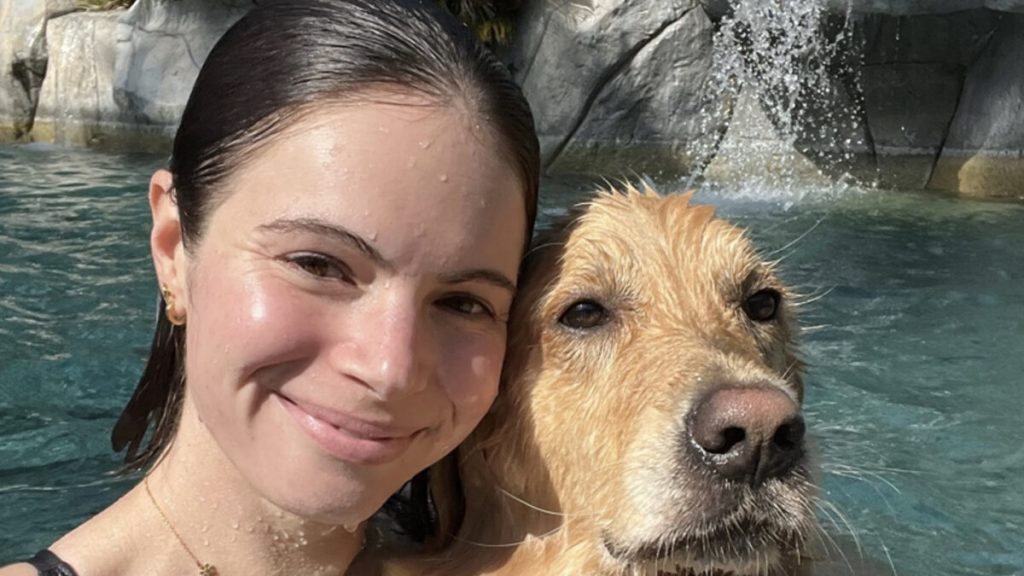
- Influencers: With followers ranging from thousands to millions, influencers can draw attention to local shelters or specific adoption campaigns effortlessly. These partnerships can transform a local story into a nationwide movement.
- Virality: Iconic stories of rescue and adoption can spread like wildfire, crossing geographic boundaries with ease. A post about a particular dog or cat can resonate with people on an emotional level, spurring a chain reaction that results in multiple adoptions.
- Dollars and Donations: Collaborations with influencers frequently translate into increased donations, benefiting shelters and rescue organizations considerably. These funds can be pivotal in addressing urgent needs such as medical care, food supplies, and shelter improvements.
However, it is crucial to exercise caution. While influencer marketing can be beneficial, there’s a risk of commodifying animals as mere props, an issue activists must remain vigilant against, ensuring narratives are centered on responsible and ethical treatment.
4. Community Engagement and Support
Social media platforms have not only connected people globally but have also strengthened local communities. For animal advocates and shelter workers, building and nurturing these communities has become a vital part of their strategy. Local shelters and rescue operations increasingly leverage social platforms to create and maintain engaged online communities.
- Group Initiatives: Facebook groups specifically dedicated to animal rescue can serve as a hub of information about local lost and found pets, adoption events, and volunteer opportunities, strengthening communal ties.
- Fundraisers: Platforms like GoFundMe and Facebook Fundraisers allow shelters to launch campaigns for specific needs, such as surgeries for injured animals or operational costs of rescue missions, effectively rallying community support.
- Shared Knowledge: Successfully shared adoption stories not only celebrate the joy of giving a pet a forever home but inspire others in the community to consider adoption over purchasing animals.
This sense of community engagement fosters awareness and connection but can sometimes result in pressure to participate in fleeting trends in pet ownership, underscoring the importance of advocating for lifelong commitments to pets.
3. Visual Storytelling and Emotional Appeal
Humans are inherently visual creatures, and social media thrives on captivating images and videos. Animal welfare organizations have ingeniously harnessed the power of visual storytelling to enhance their outreach efforts. Through the artful combination of powerful imagery and compelling narratives, shelters can connect potential adopters with animals on an emotional level.
- Cute Content: The internet’s love for cute animal photos and videos can’t be understated. Posts showcasing adorable animals engage more viewers and are more likely to be shared, increasing adoption interest.
- Before and After: Transformational stories detailing an animal’s journey from rescue to rehabilitation resonate deeply, spotlighting the organization’s positive impact and fueling interest in adoptions.
- Emotion-Driven Decisions: Emotional bonds formed through storytelling enhance human-animal connections, often becoming the deciding factor for potential adopters choosing to bring a pet home.
Yet, the efficacy of this strategy hinges on maintaining authenticity. To prevent potential misrepresentation, shelters must ensure stories are genuine, presenting animals’ realities transparently.
2. Targeted Campaigns and Outreach
The sophisticated algorithms driving social media platforms have enabled shelters and rescue organizations to strategically hone their outreach campaigns. This precision means efforts can be tailored and maximized to reach individuals most likely to adopt.
- Custom Ads: By utilizing targeted advertising, shelters can showcase adoptable pets to users whose online behaviors indicate a genuine interest in pet adoption, significantly increasing engagement rates.
- Local Targeting: Focusing ads on specific geographical locations ensures that content reaches an audience within proximity, enhancing the feasibility and logistics of adoption.
- Event Promotion: Social media enables the seamless promotion of adoption events, attracting volunteers and potential adopters alike, often resulting in the successful rehoming of multiple animals in a single day.
However, while this targeted approach greatly informs and enhances adoption rates, it also poses ethical considerations regarding data privacy and algorithms that could inadvertently propagate biases.
1. Immediate Access and Global Reach
Perhaps the most profound impact social media has on animal adoption is the immediacy and breadth of its reach. The digital age has ushered in unprecedented immediacy—the ability to share urgent cases with a global audience instantaneously has become a game-changer.
- Real-Time Updates: With the capability to post updates in real-time, shelters can communicate pressing news regarding available pets or emergency rescue missions, prompting swift responses from potential adopters.
- Global Connectivity: Social media eliminates physical borders, allowing shelters to connect with adopters from different towns, states, or even countries, thus broadening the potential adopter pool.
- Emergency Mobilization: In times of disaster or crisis, where pets may face immediate threats, social media facilitates rapid information dissemination, significantly increasing the chances of successful rescues and rehoming.
This advantage of real-time accessibility and expansive reach, however, also necessitates responsible sharing policies and ethical considerations to ensure sensitive stories are handled with care and respect, further supporting the overall mission of animal welfare initiatives.
| Category | Details |
|---|---|
| Viral Campaigns | Social media serves as a potent platform for viral campaigns that seek to promote animal adoption. These campaigns often leverage emotional storytelling to connect with audiences. |
| Community Engagement | Online platforms foster a sense of community engagement among animal lovers, which leads to a shared responsibility towards animal welfare and increased adoption rates. |
| Influencer Partnerships | Collaborations with social media influencers can significantly elevate adoption rates by reaching diverse audiences and creating relatable content that resonates with potential pet owners. |
| Awareness and Education | Social media platforms serve as effective tools for raising awareness and informing the public about the benefits of adopting instead of purchasing pets, thus promoting a culture of compassion. |
The rise of animal adoption campaigns on social media is increasingly reflected in the surges of adoption rates. Organizations and shelters utilize platforms such as Instagram and Facebook to share engaging content, showcasing the unique personalities of animals in need of homes. Adopters often report that seeing these animals in videos or photographs touched their hearts and motivated their decision to adopt—demonstrating the power of emotional connection in driving adoption.In addition, these viral campaigns not only spotlight specific animals but also educate the public about the sheer volume of animals in shelters. Statistics shared through these posts reveal that millions of adoptable pets are waiting for homes, enhancing the urgency of the adoption message. This strategy effectively creates a sense of immediate action among viewers, transforming mere awareness into tangible outcomes.Moreover, the community aspect of social media cannot be understated. Online platforms allow users to share their own adoption stories, which further inspires others within their networks. The collective voice of the community resonates strongly, leading to positive social proof that is crucial in influencing people toward adopting rather than shopping for pets.In this age of influencer marketing, having well-known personalities advocate for animal adoption can amplify the message. When beloved influencers showcase their adopted pets, they not only provide visibility to various breeds and rescues but also humanize the adoption process. Their personal experiences serve as powerful narratives that challenge misconceptions about shelter animals, highlighting that a loving pet can come from any background.In recent years, there has been a noticeable shift in how potential pet owners perceive the act of adoption. The shared narratives and resources available through social media refine the understanding of animal welfare, pushing a broader audience toward considering adoption as both a viable and a responsible choice. As these trends continue to evolve, social media will remain an essential tool in shaping society’s approach to animal adoption, ultimately leading to improved outcomes for countless animals in need of homes.
Frequently Asked Questions about the Influence of Social Media on Animal Adoption
How do social media platforms contribute to the increase in animal adoptions?
Social media platforms have become powerful tools for animal shelters and rescue organizations by enhancing visibility and outreach. Through platforms like Instagram and Facebook, animal profiles can be widely shared, reaching potential adopters far beyond local boundaries. These platforms allow for shared stories and viral posts, making certain animals more accessible to vast audiences. Photos and videos play a crucial role, creating an emotional connection with viewers and increasing the likelihood of adoption inquiries.
Are there any negative impacts of social media on animal adoption?
While social media has numerous positive effects, there are potential drawbacks. The rapid adoption process facilitated by social media might lead to impulsive adoptions, where the adopter might not be entirely prepared for the responsibilities of pet ownership. Moreover, some animals become “viral sensations,” receiving excessive interest but potentially leading to delayed adoptions due to overwhelmed shelters. It’s crucial for shelters to manage expectations and ensure that the adoption process remains thorough and prioritized.
How do trends on social media influence which animals are adopted?
Trends on social media can significantly influence adoption preferences. Certain breeds or types of animals may gain popularity due to trends or viral stories, leading to increased demand. This can be advantageous for specific animal groups but might also overshadow other deserving animals that need homes. Trends in filters, hashtags, and challenges can similarly impact which animals gain more visibility and interest.
What role do influencers play in promoting animal adoption on social media?
Influencers have a strategic role in advocating for animal adoption by harnessing their wide-reaching platforms. By collaborating with animal shelters and showcasing their own adoption stories, influencers can inspire their followers to consider adoption. High-profile celebrity endorsements can further spotlight the importance of animal adoption and influence public perception and action towards more sustainable pet ownership.
What can be done to ensure that the influence of social media on animal adoption is beneficial and responsible?
To ensure the positive impact of social media, it is vital for shelters and organizations to implement guidelines for ethical adoption promotions and educate the public about responsible pet ownership. Creating campaigns that emphasize long-term commitment and potential challenges of pet ownership while showcasing the joy pets bring can balance the narrative. Transparency about the adoption process and close monitoring of trends will help in using social media as a responsible tool for increasing animal adoptions.
Conclusion: The Social Media Influence on Animal Adoption
In the rapidly evolving digital age, social media has emerged as a powerful tool in shaping trends and behaviors, profoundly impacting the realm of animal adoption. This article explored the multifaceted ways social platforms have altered the dynamics of pet adoption, revealing both promising opportunities and potential risks to animal welfare.
Key Trends and Impacts encapsulate the article’s core discussions. From the growing visibility of shelter animals to innovative adoption campaigns, social media has revolutionized how prospective pet owners discover and connect with animals in need. Additionally, the influence of influencers and viral content has amplified the reach of adoption messages, contributing to an upsurge in successful adoptions globally.
However, the article also highlighted potential concerns. The pressure for rapid adoptions and the unrealistic portrayal of pet ownership can sometimes lead to post-adoption issues, underscoring the necessity for a balanced approach. Ensuring the ethical use of social media in promoting animal welfare is paramount, with a focus on well-informed and committed adoptions over sheer volume.
Ultimately, social media presents an unparalleled opportunity to enhance the reach and effectiveness of animal adoption efforts. By promoting responsible pet ownership and supporting shelters, these platforms can significantly contribute to improved animal well-being. Engaging audiences with authentic content and encouraging thoughtful adoptions can forge a new era of positive change in the animal welfare sector.
As society continues to navigate the digital frontier, exploring innovative strategies to harness the full potential of social media will be crucial. The overarching goal remains clear: to create a world where every animal finds a loving and suitable home.