
Preventive Care: Vaccines and Tests Your Pet Cannot Miss
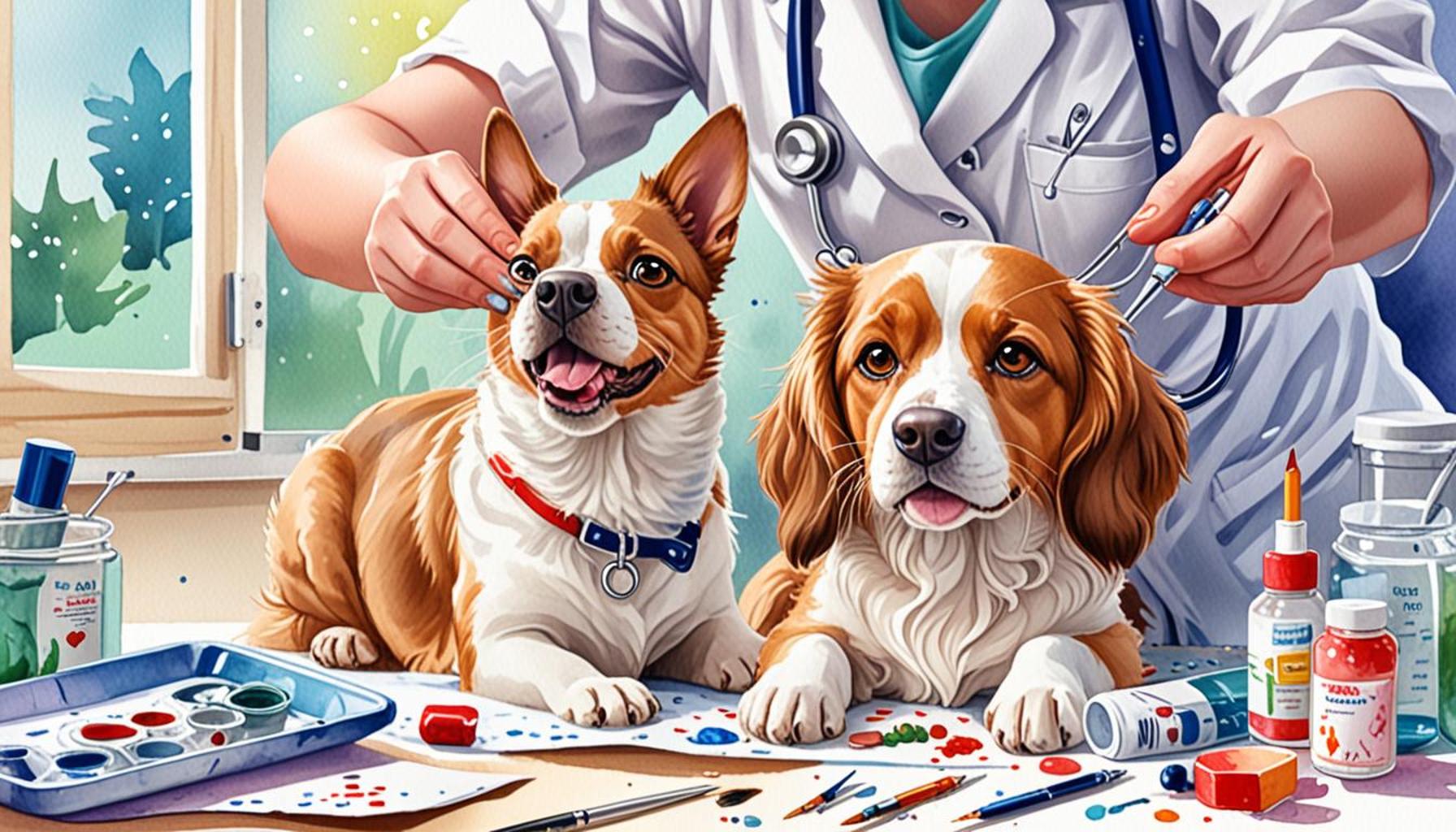
Understanding the Importance of Preventive Care for Your Pet
When it comes to the health of your furry friend, taking proactive measures is essential. Regular vaccinations and necessary tests form the foundation of preventive care, helping to protect your pet from a range of potentially serious diseases. The reality is that many health issues that pets face can be effectively managed or even completely prevented through routine care.
To comprehend the critical nature of these preventive measures, it’s crucial to understand the vaccines and tests that are essential to your pet’s health. A tailored preventive care schedule, which your veterinarian can create based on your pet’s age, breed, and lifestyle, can significantly enhance their quality of life.
Key Reasons to Prioritize Preventive Care
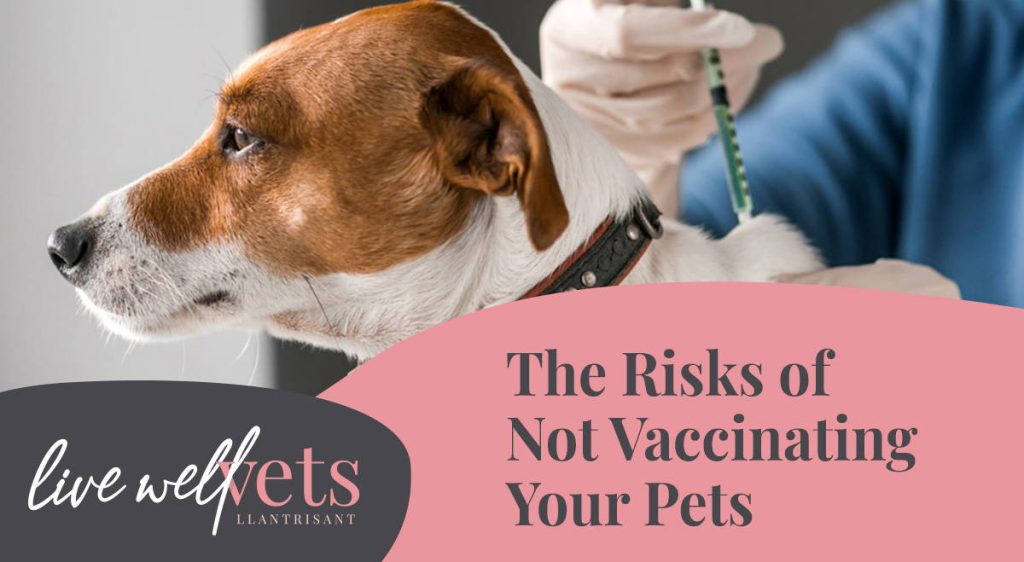
- Protection Against Life-Threatening Diseases: Vaccinations are your first line of defense against severe illnesses such as rabies, which is not only dangerous but also fatal. Vaccines for diseases like distemper and parvovirus are vital, especially for younger dogs and puppies that are most at risk.
- Promotion of Early Detection: Regular veterinary visits, which include check-ups and necessary screenings, allow veterinarians to catch health issues early. Conditions such as diabetes, kidney disease, and certain cancers can remain asymptomatic until later stages, making early detection through routine exams critical.
- Reduction of Long-Term Costs: While some pet owners may see vaccinations and tests as an expense, the truth is that preventive care often leads to significant savings. Treating a disease after it has developed can be far more costly than maintaining a vaccination schedule and basic health screenings.
Common vaccinations recommended for pets in the United States include:
- Rabies: Mandatory in many states, this vaccine protects pets against a deadly virus affecting the nervous system.
- Distemper: A highly contagious disease in dogs, distemper can lead to severe respiratory and neurological problems.
- Parvovirus: Particularly deadly in puppies, parvo can cause severe gastrointestinal distress and requires immediate medical attention.
Furthermore, tests such as heartworm screening and flea prevention are crucial for maintaining your pet’s health. Heartworm disease, transmitted by mosquitoes, can lead to severe lung disease and heart failure. Regular screenings, particularly in warm months in the U.S., are essential for prevention. Similarly, flea and tick checks help protect your pet from infestations that can transmit diseases.
By committing to these preventive measures, you can help ensure that your pet lives a longer, healthier life. In the following sections of this article, we will explore in detail the specific vaccines and tests that your pet cannot afford to miss. Stay tuned to learn more about how to best care for your beloved companion.
DIVE DEEPER: Click here to enhance your pet’s environment
Essential Vaccines for Your Pet’s Health
Vaccinations are often the first line of defense in preventive care for pets, playing a crucial role in shielding them against severe and potentially fatal illnesses. As a pet owner, understanding which vaccines are vital for your pet’s wellbeing is imperative. The specific vaccines your pet needs can vary based on their age, breed, health history, and lifestyle, making consultations with a veterinarian essential for personalized care.
For dogs, one of the most critical vaccines is the combination vaccine known as the DHPPC vaccine. This vaccine provides protection against four serious diseases: distemper, hepatitis, parvovirus, and parainfluenza. Puppies typically begin receiving this vaccine series at 6-8 weeks of age, with additional booster shots administered every 3-4 weeks until they are about 16 weeks old. Adult dogs generally require boosters every 1-3 years based on their risk factors and the veterinarian’s recommendations. For instance, a dog that frequently socializes in public spaces might need more frequent vaccinations compared to a less active pet.
Another significant vaccine for dogs is for bordetella bronchiseptica, the bacterium responsible for causing kennel cough. This disease is highly contagious and can spread rapidly in places where many dogs congregate, such as dog parks, boarding facilities, and grooming salons. Vaccination against bordetella is essential for dogs that have frequent interactions with other canines to mitigate the risk of exposure to airborne pathogens. Regular grooming visits, doggy daycare, and participation in dog training classes can increase the need for this vaccine.
Vaccines for Cats: Prioritizing Your Feline Friend
Cats also require a strong vaccination regimen to protect them from various serious diseases. Essential vaccines include those for feline rhinotracheitis, calicivirus, and panleukopenia. The FVRCP vaccine offers comprehensive coverage against these illnesses, which can lead to severe respiratory distress and gastrointestinal issues. Kittens should receive their initial FVRCP vaccine starting at 6-8 weeks of age, with follow-up doses every 3-4 weeks until they reach around 16 weeks of age. Like dogs, adult cats may need booster vaccinations every 1-3 years, depending on their health status and risk factors.
For outdoor cats, a rabies vaccination is especially critical. Rabies is a viral disease that is nearly always fatal once symptoms appear and can be transmitted through the bite of an infected animal. Regulations concerning rabies vaccinations vary by state in the U.S., and many regions require these vaccines for all cats, especially those that interact with other animals or roam freely outdoors. Pet owners should familiarize themselves with local laws regarding rabies to ensure compliance and safeguard their pets.
- Canine Vaccines:
- DHPPC (Distemper, Hepatitis, Parvovirus, Parainfluenza)
- Bordetella (Kennel Cough)
- Rabies
- Feline Vaccines:
- FVRCP (Feline Rhinotracheitis, Calicivirus, Panleukopenia)
- Rabies
By ensuring your pet receives the appropriate vaccines, you not only enhance their health and longevity but also contribute to broader public health efforts in controlling infectious diseases among the pet population. Vaccination represents a cornerstone of preventive veterinary care—one that significantly increases the chances of your furry friend living a longer, happier life.
In addition to vaccinations, routine health testing plays an equally vital role in preventive care. In the following section, we will explore essential tests that every pet should undergo to detect potential health issues early, thereby ensuring they remain fit, active, and healthy throughout their lives.
Understanding Preventive Care for Your Pet
Preventive care is a critical component of keeping your pet healthy and ensuring a long, happy life. Regular vaccinations and tests can significantly reduce the risk of various diseases and health issues. For pet owners, being informed about which vaccines and tests are necessary is essential. Not only do these measures protect your furry friends, but they also contribute to overall community health by preventing disease outbreaks.Vaccinations are among the most vital aspects of preventive care, offering protection against serious diseases like rabies, parvovirus, and distemper. Each of these illnesses can be life-threatening not just to your pet but can also pose risks to other animals and even humans. It is important to consult your veterinarian about the appropriate vaccination schedule for your pet based on their age, lifestyle, and health status.Routine health tests are equally essential. These may include tests for heartworm, flea and tick prevention, and regular blood work to check for underlying issues. Early detection of health problems allows for prompt treatment, which can greatly improve outcomes and reduce long-term care costs.Regular preventive care visits not only foster a strong bond between you and your pet but also provide opportunities for education related to nutrition and exercise, ensuring that your pet maintains optimal health throughout its life. As we explore the importance of vaccines and testing, let’s delve into the specific advantages of this preventive approach through a concise table that highlights key categories and their significance.
| Category | Description |
|---|---|
| Vaccinations | Provide immunity against serious and contagious diseases. |
| Routine Testing | Helps in early detection of health issues, leading to effective treatments. |
| Preventive Care Visits | Strengthen the bond between pet and owner, and ensures ongoing education. |
By prioritizing preventive care through these essential vaccinations and tests, you set your pet up for a healthier future. Each visit to the veterinarian can provide insights that keep both you and your pet informed and prepared for changing health needs over time.
DISCOVER MORE: Click here to learn about the benefits of a balanced diet for your pet
Routine Health Tests: Uncovering Hidden Health Issues
Routine health testing is an indispensable component of preventive care for pets, allowing owners and veterinarians to detect potential health problems before they escalate. Regular screening and diagnostic tests serve as an early warning system for various conditions, enabling prompt intervention that can significantly impact your pet’s quality of life and longevity. Just as humans benefit from routine check-ups, pets require similar diligence and care as they age.
One of the essential tests every pet should undergo is a complete blood count (CBC) and a serum biochemistry profile. These tests evaluate your pet’s overall health and organ function, providing valuable insights into their well-being. The CBC measures components such as red and white blood cell counts, which can indicate anemia, infection, or other underlying health conditions. The serum biochemistry profile assesses the health of vital organs like the liver and kidneys by measuring levels of enzymes, proteins, and electrolytes. Regularly scheduled blood work can help catch issues such as kidney disease, diabetes, or liver dysfunction early, facilitating timely treatment.
For pets at risk of heart disease—especially breeds predisposed to cardiac conditions—an electrocardiogram (ECG) and an ultrasound may be suggested. These tests help monitor cardiac health and diagnose issues such as arrhythmias or heart murmurs. Early detection of heart disease can significantly improve prognosis and treatment options, leading to better health outcomes for your furry companion.
Fecal Tests: Keeping Track of Digestive Health
Fecal exams are another critical component of preventive care. These tests screen for intestinal parasites, such as roundworms, hookworms, and Giardia, which can cause serious health issues in pets. Puppies and kittens are particularly at risk and should be screened regularly. Adult pets should have a fecal check at least once a year or more frequently if they exhibit symptoms of digestive distress. Early detection of parasites allows for timely deworming, reducing the risk of transmission to humans and other animals.
Skin and Allergy Tests: Addressing Allergies and Skin Issues
Many pets experience allergies that can lead to various skin conditions, including itching, rashes, and infections. A thorough dermatological examination by a veterinarian, along with allergy testing, can identify specific allergens responsible for your pet’s discomfort. Understanding environmental, food, or flea-related triggers can allow for preventive measures to be put in place, enhancing your pet’s quality of life. For pets that frequently visit grooming salons or dog parks, maintaining optimal skin health is crucial as it prevents the development of secondary infections that could complicate treatment.
Dental Health: The Often-Overlooked Aspect
Finally, dental health is frequently neglected in pet care, despite its significance. Regular dental examinations and cleanings should be a staple of your pet’s health regimen. Poor oral hygiene can lead to periodontal disease, which has been linked to systemic health problems, including heart and kidney disease. Your veterinarian can provide an appropriate dental care plan tailored to your pet’s needs, suggest at-home dental cleaning methods, or recommend professional cleanings based on your pet’s breed and age.
By identifying specific health concerns through comprehensive routine testing, pet owners can take proactive steps in managing their pets’ health. Investing time and resources into preventive testing is just as important as ensuring that your pet is up to date on vaccinations. Together, these measures form a robust preventive care strategy that ensures your pet lives a long, healthy, and fulfilling life.
DISCOVER MORE: Click here to learn about the best options for your pet
Conclusion: Prioritizing Your Pet’s Health Through Preventive Care
In the realm of pet ownership, embracing preventive care is essential for safeguarding your furry companion’s health and well-being. By ensuring that your pet receives vital vaccinations and routine health tests, you become an invaluable advocate for their long-term happiness. Vaccines protect against life-threatening diseases, effectively creating a shield that enhances their quality of life. These preventative measures also extend the joys of companionship, allowing you to enjoy countless precious moments together.
Moreover, the significance of regular health assessments cannot be overstated. Routine tests such as complete blood counts, fecal exams, and dental check-ups are crucial in uncovering hidden health issues. By staying ahead of potential problems, you give your pet the best chance for a longer, healthier life. Just as we prioritize our health through regular check-ups, the same diligence applies to our pets.
As you navigate the responsibilities of pet ownership, remember that preventive care is an investment—not just in their health, but in the cherished moments you will share. Taking proactive steps to ensure your pet is up-to-date on vaccines and tests will enrich the time spent together and contribute to a thriving, playful life. In doing so, you empower yourself to make informed decisions, fostering a strong bond that can withstand the tests of time. Join the ranks of diligent pet owners who champion preventive care; your beloved companion deserves nothing less.