
Sustainable Feeding: How the Choice of Feed Can Impact Animal Welfare
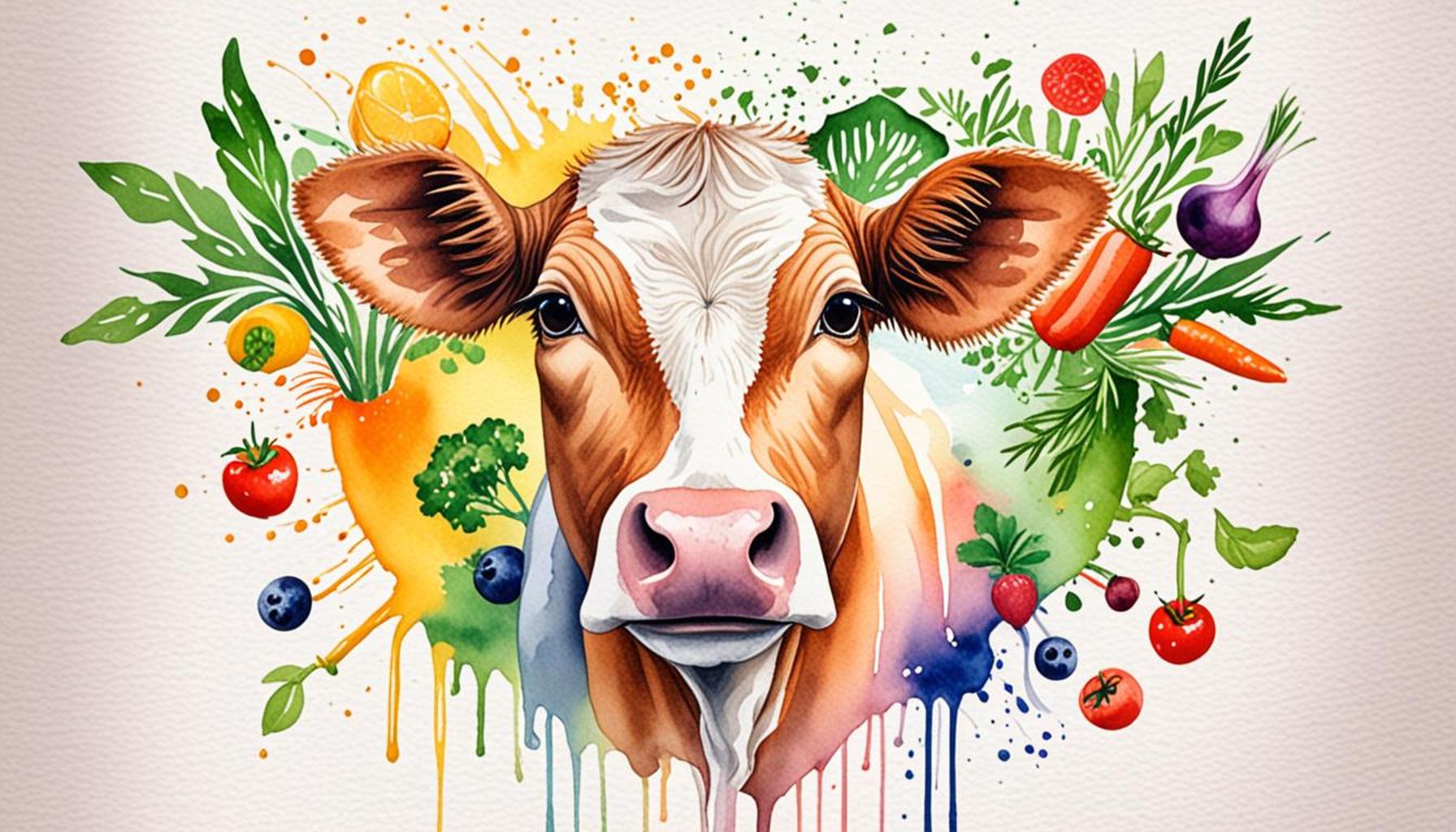
Understanding Sustainable Feeding Practices
The choice of feed can significantly influence animal welfare, shaping the lives of livestock and poultry in ways that are often overlooked. As consumers become increasingly concerned about the ethical implications of their food choices, the impact of sustainable feeding practices has come into sharp focus.
Here’s what you need to know:
- Animal Health: Proper nutrition is crucial for maintaining a robust immune system, which can significantly reduce the reliance on antibiotics. For example, in broiler chickens, diets rich in omega-3 fatty acids derived from flaxseed not only enhance health but also improve meat quality.
- Environmental Footprint: Sustainable feed sources contribute to lowering greenhouse gas emissions and preserving natural resources. Utilizing by-products from the food industry, such as spent grains or fruit pulp, can provide a nutrient-dense alternative to traditional feeds while minimizing waste.
- Quality of Life: A well-balanced diet affects behavioral traits, promoting natural instincts and reducing stress levels in animals. For instance, when pigs are fed a diet that allows for foraging or includes fibrous materials, it supports their natural rooting behavior, leading to happier and healthier animals.
The trend of sustainably sourced feed is rapidly gaining momentum across the United States. Consumers are more discerning than ever about the origins of their meat, dairy, and eggs, demanding transparency and ethical practices from producers. As a result, innovative approaches to animal feed are emerging, aimed at enhancing both nutritional profiles and environmental sustainability. For instance, the integration of insect proteins, like mealworms, into livestock diets presents a high-protein option that requires significantly less land and water than traditional feed sources.
Moreover, plant-based alternatives are reshaping conventional agricultural practices. Research has shown that incorporating legumes and other protein-dense plants into livestock diets not only reduces reliance on soy but also improves soil health through nitrogen fixation. This positive feedback loop assists farmers in achieving long-term sustainability goals.
As we delve deeper into the intricate connections between feed choices and animal welfare, it’s vital to understand the broader implications of these decisions. The future of responsible farming hinges not just on how we raise animals but also on what we choose to feed them. By making informed choices about livestock nutrition, consumers can support a system that values both animal welfare and environmental stewardship, paving the way for a more sustainable food industry.
DIVE DEEPER: Click here to discover positive cat training techniques!
Feeding Practices and Animal Welfare: A Holistic Approach
As the dialogue surrounding food sustainability evolves, animal welfare remains a cornerstone topic within this framework. The significance of feed in determining the well-being of animals on farms cannot be overstated, as it directly correlates with their health, behavior, and overall quality of life. A deeper understanding of how different feeding practices impact animal welfare can help promote more ethical farming approaches while also addressing consumer concerns over food production.
To appreciate the implications of feed choices, we must consider several key factors:
- Nutrition Diversity: Incorporating a variety of feed ingredients not only meets animals’ nutritional requirements but also mimics their natural diets, which can lead to improved health outcomes. For instance, cattle that graze on a diverse range of grasses are healthier and often more productive than their counterparts fed a monoculture diet. A varied diet can help promote better digestion and overall health.
- Animal Behavior: The availability and choice of different feed types can directly influence an animal’s mental and emotional well-being. Chickens, for example, thrive with access to foraging opportunities. Providing pellets that encourage pecking and scratching activities can foster more natural behaviors, thus reducing stress and boredom.
- Feed Quality: High-quality feed, which is free from contaminants and rich in essential nutrients, can prevent the onset of disease and reduce the need for medication. For instance, livestock fed organic or regenerative feeds may experience lower incidences of illnesses, translating to improved animal welfare and reduced stress related to illness.
One notable trend in the realm of sustainable feeding is the use of locally sourced ingredients. By sourcing feed ingredients from local farms or producers, farmers not only support community economies but also reduce the carbon footprint associated with transportation. Furthermore, this practice ensures greater freshness and nutrient retention in the feed, enhancing the overall health of the animals consuming it.
Moreover, innovations in feed technology are paving the way for more sustainable practices. Advances such as precision feeding—tailoring diets to meet the specific needs of individual animals—while utilizing data analytics, can lead to better health outcomes and reduced waste. This approach not only prioritizes the welfare of the animals but also contributes to more efficient farming operations.
As the landscape of food production shifts towards sustainability, transparency around feeding practices is increasingly becoming a demand among consumers. A growing cohort of informed buyers seeks assurance that the animals whose products they consume have been raised under conditions that prioritize their welfare. This growing awareness is compelling farmers to engage in sustainable feeding practices that support healthier animals and, in turn, bolster their operations through enhanced consumer trust.
The interconnection between feed choices and animal welfare illustrates the profound impact that intentional practices can have. As we explore further, it becomes clear that every bite we choose to take has implications that stretch far beyond our plates, influencing the entire ecosystem of food production.
| Advantages | Impact on Animal Welfare |
|---|---|
| Improved Nutritional Quality | Healthier diets lead to better growth rates, reproductive performance, and reduced disease incidents. |
| Reduction of Environmental Stressors | Less anxiety and improved well-being by minimizing feed-related stress and optimizing digestive health. |
| Sustainable Practices | Long-term viability enhances animal habitats, ensuring resources for future generations. |
| Ethical Sourcing | Support for animal rights movements resulting in more humane treatment and better living conditions. |
The choice of animal feed is of paramount importance in promoting sustainable feeding practices that directly influence animal welfare. When livestock are provided with nutritionally balanced diets, they thrive, exhibiting enhanced growth and reproductive health. This translates not just to healthier animals but also contributes to increased productivity, which is essential for meeting the demands of a growing population.Furthermore, addressing environmental stressors through proper feed choices significantly reduces animal anxiety. Animals fed with high-quality, digestively-friendly ingredients demonstrate greater overall well-being, which is critical for ethical farming practices. Sustainable feeding goes beyond immediate health benefits; it also engages in long-term planning for both animal welfare and ecological sustainability.By focusing on ethical sourcing of feed, farmers can support animal rights and promote humane treatment practices. This conscientious choice leads to healthier lives for livestock and bolsters the overall integrity of the agricultural sector. The impact is widespread, affecting not only livestock health but also the environment and the agricultural economy at large. The adoption of these practices warrants further exploration and engagement in the ongoing discourse surrounding sustainable feeding solutions.
DISCOVER MORE: Click here to learn how social media influences animal adoption
The Role of Alternative Feeds in Enhancing Welfare Outcomes
In recent years, the exploration of alternative feed sources has gained traction within sustainable agriculture. These innovations not only aim to reduce environmental impacts, but they can also play a vital role in enhancing animal welfare. For instance, feed made from insects or food waste has emerged as a promising solution. Insects, such as mealworms and crickets, are rich in protein and can be efficiently farmed on organic waste materials, representing a circular economy approach.
Studies have indicated that livestock fed insect-based feeds exhibit improved growth rates and reduced disease susceptibility. For example, a study conducted by researchers at the University of California showed that chickens fed insect protein had better feed conversion ratios than those solely relying on traditional grains. This not only demonstrates the potential for improved health outcomes, but also signifies a significant reduction in the land and water resources required for feed production.
Another remarkable development is the incorporation of algae-based feeds in ruminant diets. Algae are nutrient-dense and provide essential fatty acids beneficial for overall health. Furthermore, a study published in the journal *Animal Feed Science and Technology* found that adding algae to cattle feed can enhance the omega-3 fatty acid content in meat and milk, which appeals to health-conscious consumers. Additionally, these feeds can work towards reducing methane emissions from cattle, contributing to improved environmental sustainability.
Furthermore, an increasing number of farmers and producers are considering regenerative agriculture approaches, which emphasize soil health and biodiversity. These practices can significantly influence the feed supply and, by extension, the welfare of the animals. By rotating pastures and cover cropping, farmers can produce high-quality forage that caters to the animals’ nutritional needs and natural behaviors. Such practices support the idea that health and welfare are achieved through an integrated approach that acknowledges the interdependency of soil, plant, and animal health.
In addition to adopting alternative feed sources and regenerative practices, the impact of feed management techniques cannot be overlooked. Strategic feeding schedules and incorporating behavioral enrichment techniques can profoundly influence the welfare of animals. For instance, offering feeding puzzles or varying the presentation of feed can stimulate natural foraging behaviors in animals, fostering mental engagement and reducing stress. Research from the Animal Welfare Institute highlights that groups of pigs provided with trick feeders exhibited less aggressive behaviors compared to those given feed ad libitum (as needed), leading to improved welfare conditions.
Equally important is the growing recognition of the significance of animal husbandry education related to feeding practices. Farmers increasingly seek training in effective feeding strategies that not only support animal health but also align with sustainable practices. Initiatives from organizations like the American Farm Bureau Federation encourage farmers to adopt innovative feeding regimens that prioritize animal welfare while satisfying the demand for sustainably produced meat and dairy products. Education plays a crucial role in bridging the gap between traditional practices and sustainable advancement.
Ultimately, the shift towards sustainable feeding practices demands a collaborative effort among farmers, researchers, and consumers. By understanding the relationship between feed choices and animal welfare, we can foster a food system that values ethical considerations while promoting environmental sustainability. As stakeholders unite in this mission, the potential benefits for animal health and welfare will extend far beyond the farm, contributing to healthier communities and ecosystems.
DISCOVER MORE: Click here to learn about how adoption programs can make a difference
Conclusion: A Path Toward Sustainable Animal Welfare
In conclusion, the quest for sustainable feeding practices is not merely an environmental concern; it represents a pivotal shift in how we conceptualize animal welfare. By embracing alternative feed sources such as insect protein and algae, farmers are not only enhancing the nutritional profiles of their livestock but also cultivating a system that minimizes ecological footprints. The benefits of these innovative feeds extend beyond improved growth and health metrics, demonstrating a potential for reducing disease susceptibility and enhancing overall animal well-being.
Moreover, the implementation of regenerative agriculture practices plays a crucial role in this transformation. By nurturing the soil and fostering biodiversity, producers can create an ecosystem that supports both the nutritional needs and natural behaviors of their animals. The integration of strategic feed management techniques also highlights the profound impact that feeding practices can have on mental engagement and stress reduction among livestock.
As we consider the implications of these advancements, it becomes clear that the adoption of sustainable feeding practices requires the collaboration of all stakeholders, from farmers to researchers to consumers. Education initiatives can bridge the knowledge gap, equipping farmers with the understanding necessary to implement effective and ethical feeding strategies. As we move forward in fostering a food system that prioritizes both animal welfare and environmental sustainability, it is essential that we continue exploring these innovative pathways, ensuring that our choices today lead to a healthier and more equitable future for all living beings.