The Effects of Socialization on Pet Well-being: Best Practices for Owners
Understanding Socialization and Its Impact
The emotional and physical wellness of pets greatly relies on their social interactions. When pets are properly socialized, they thrive in various environments and exhibit positive behaviors. Knowing the effects of socialization on pet well-being can drastically change the outlook for both pets and their owners. Not only does effective socialization contribute to a pet’s mental health, but it can also enhance their adaptability, ensuring that they are comfortable in a variety of settings, from busy parks to family gatherings.
Key Benefits of Socialization
- Reduced Anxiety: Well-socialized pets are less likely to feel stressed in new situations. For example, a dog that has been exposed to various sounds, sights, and people from a young age will find visits to the veterinarian or encounters with other animals less daunting than an unsocialized pet. The American Society for the Prevention of Cruelty to Animals (ASPCA) highlights that early exposure can minimize the likelihood of developing phobias.
- Improved Relationships: Socialization fosters better bonds between pets and their families. When pets learn to engage positively with their human companions and other animals, it naturally cultivates trust and affection. There are countless stories of pet owners finding joy in the companionship of a well-adjusted pet who comfortably engages with friends, family, and even strangers.
- Behavioral Improvements: Pets learn skills that prevent issues like aggression and fearfulness. By interacting with a diverse array of people and pets, dogs and cats can develop coping mechanisms and exhibit less reactive behaviors. This is especially important for breeds that may naturally lean toward aggression without proper guidance, such as certain terriers or protective breeds.
In the bustling environment of the United States, where pets often interact with diverse individuals and other animals, socialization is crucial. Despite this, many pet owners may overlook important practices that contribute significantly to their pet’s happiness. For instance, the chaos of a dog park can be overwhelming for a pet that hasn’t been adequately socialized, leading to anxiety and unwanted behaviors. Therefore, understanding and implementing effective socialization strategies is essential for any responsible owner striving for a harmonious household.
Best Practices to Enhance Socialization
Adopting the right methods can make a remarkable difference. Consider these effective practices:
- Expose pets to various environments gradually. This might include short trips to pet-friendly stores, visits to friends’ houses with pets, or even car rides to different parks. This helps to normalize different experiences for the animal.
- Encourage positive interactions with other animals. This could involve arranging playdates with other dogs, attending socializing classes, or visiting a local animal shelter where your pet can safely meet various animals.
- Utilize training sessions to build confidence and enhance social skills. Training classes focused on obedience can offer structured environments that promote social skills while also establishing a solid bond between pet and owner. Positive reinforcement techniques work wonders in this regard.
Delving into the strategies for ensuring a healthy social life for pets can lead to happy, well-adjusted companions. By investing the necessary time in socialization, pet owners not only enhance their pets’ well-being but also enrich the overall human-animal bond. A well-socialized pet can become a source of joy, companionship, and even therapeutic comfort in daily life. As the adage goes, a happy pet makes for a happy owner, and understanding the importance of socialization is the first step toward achieving that goal.
DON’T MISS: Click here for essential tips
Understanding the Importance of Early Socialization
Early socialization is a pivotal factor in fostering overall pet well-being. It’s during the critical developmental stages that pets—particularly dogs—begin to familiarize themselves with the sights, sounds, and sensations of their environment. Research indicates that socialization should commence as early as possible, ideally during the first few months of a pet’s life. This period is when an animal’s brain is most receptive to learning and adapting to its surroundings, laying the groundwork for a well-adjusted adult.
One of the core benefits of early socialization is the ability to recognize and interpret social cues. Pets that have been properly socialized are more capable of reading body language and responding appropriately, whether from humans or other animals. For instance, a dog that has experienced various interactions with children, adults, and other pets is less likely to exhibit fear or aggression when encountering unfamiliar individuals. Pawstivity, a nonprofit organization focused on pet welfare, highlights that a well-socialized pet can adapt more easily to new situations, reducing stress levels in both the pet and its owner.
Signs of a Well-Socialized Pet
The effects of socialization on pet well-being can be observed in several key behaviors:
- Calmness in New Situations: A well-socialized pet remains relaxed during trips to the vet, unfamiliar places, or social gatherings. This calm demeanor often stems from previous interactions with various stimuli that they have experienced positively.
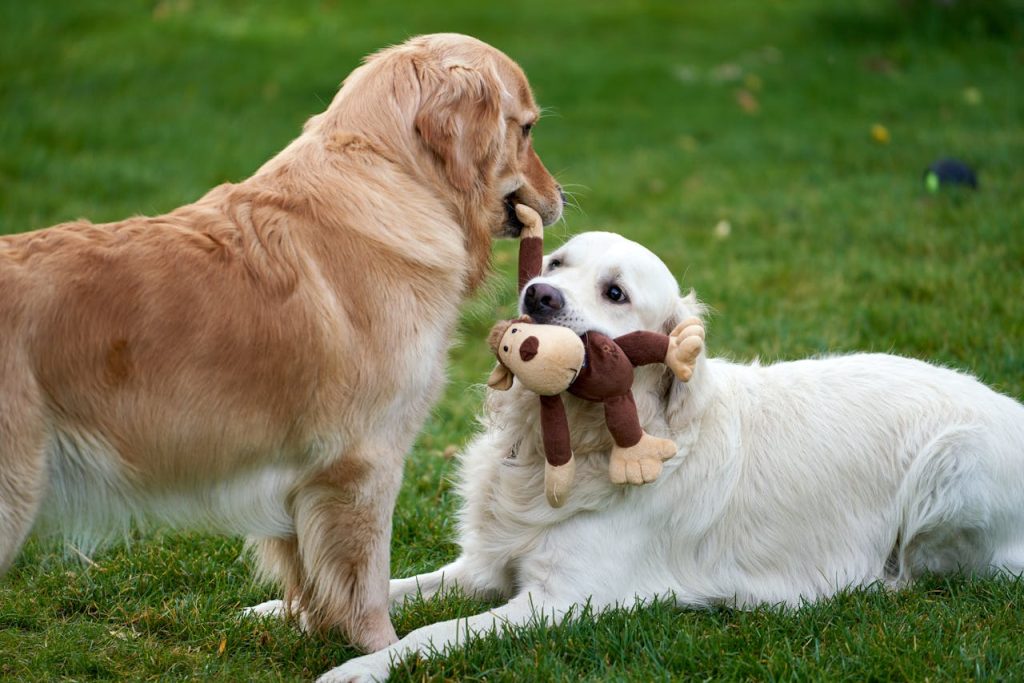
- Positive Interactions with Others: Pets who have learned to engage with other animals and people typically exhibit friendly, confident behavior. They are more likely to approach others and communicate through play, fostering strong relationships.
- Clear Communication: Socialized pets express their needs and emotions effectively. Whether it’s through barking, tail movements, or body posture, these pets can convey their feelings without resorting to fear-based reactions or aggression.
Conversely, an unsocialized pet may exhibit anxiety through excessive barking, biting, or hiding behaviors. These signs can lead to challenges for pet owners, ultimately resulting in strained relationships. Much like humans, pets thrive in environments where they feel safe and understood, which holds especially true in the diverse cultural landscape of the United States.
In today’s fast-paced world, where interactions often occur in bustling environments, pet owners face the challenge of socializing their animals in a manner that is both effective and enriching. The importance of adopting a comprehensive approach to socialization cannot be underrated. By engaging with professional trainers, dog parks, or community events, pet owners can enhance their pets’ social experiences and lay the groundwork for a healthy emotional and psychological state.
The Effects of Socialization on Pet Well-being: Best Practices for Owners
Socialization is an essential aspect of pet ownership that significantly influences the well-being of pets. By exposing pets to various environments, people, and animals, owners can foster positive behavior and enhance their pets’ adaptability to different situations. The informal training acquired through social interactions lays the groundwork for a friendly disposition, which can ultimately lead to a more fulfilling life for pets and their owners.
Studies have shown that well-socialized pets are less prone to behavioral issues. Regular interaction with other animals helps in reducing fear responses and aggression, making pets more comfortable in diverse social settings. This can include hobbies like taking dogs to parks or arranging playdates with other animals, which not only caters to their instinctual needs for companionship but also encourages physical exercise.
On the other hand, the lack of socialization can lead to severe anxiety in pets, manifesting as destructive behavior, excessive barking, or withdrawal. Anxiety can hamper their overall well-being, impacting aspects such as appetite and energy levels. To prevent these issues, owners should begin socialization early in their pet’s life, ideally during the critical developmental phases, by introducing them to new people and experiences in a controlled, positive manner.
Furthermore, participating in various activities such as agility classes, training sessions, or group walks can deepen the bond between pet and owner while ensuring that pets remain engaged and content. These enriching experiences are instrumental in promoting mental stimulation and emotional health, which are vital for a well-rounded and happy pet.
| Benefits of Socialization | Key Practices for Owners |
|---|---|
| Reduced Anxiety | Expose pets to various settings gradually |
| Improved Behavioral Traits | Engage in group activities or training |
Maintaining a consistent socialization routine is crucial to safeguarding pet well-being. Each pet is unique, so it’s essential for owners to tailor their approach, recognizing the particular needs and personality traits of their pets. This informed and compassionate strategy not only fortifies trust between pet and owner but also contributes significantly to a happier, healthier life for both.
LEARN MORE: Click here for insights on helping pets settle into their new homes
Best Practices for Socializing Your Pet
Establishing a solid foundation for your pet’s social development requires strategic planning and consistent effort. Engaging in best practices ensures that pets can navigate their world with confidence and joy, promoting their overall well-being. Here are some actionable strategies pet owners can implement to enhance their pets’ socialization experience.
Start with Controlled Introductions
A critical component of effective socialization involves facilitating controlled introductions to various experiences. For example, when introducing a puppy to other dogs, it’s essential to do it in a neutral environment, such as a local park where both animals are relatively comfortable and familiar. Paw Prints Animal Behavior, a respected pet training program, emphasizes that controlled introductions can significantly reduce the likelihood of negative encounters, thereby fostering a positive outlook on social interactions. Owners should monitor for signs of stress in their pets and provide reassurance, allowing each introduction to unfold at the animal’s own pace.
Expose Pets to Different Environments
Diversity is key to enriching your pet’s socialization experience. Take the time to expose your pets to different environments ranging from bustling urban areas to quiet rural settings. People and stimuli commonly encountered include bicycles, skateboards, and various types of vehicles. This exposure can help pets acclimate to different sights and sounds they might encounter throughout their lives. For instance, a study published in the Journal of Veterinary Behavior found that dogs exposed frequently to urban stimulation were less reactive and more adaptable in busy areas, highlighting the importance of varied experiences in their formative years.
Utilize Training Classes and Playgroups
Participating in training classes or supervised playgroups can offer invaluable opportunities for socialization. Skill set classes, ranging from obedience training to agility courses, provide structured environments where pets can learn essential commands while socializing with other animals and people. Moreover, many communities host dog meetups and playgroups, which can be a fantastic opportunity for your pet to engage in healthy play. Pawsitively Social, a popular organization dedicated to pet events, advocates for the practice of group classes to reinforce good behavior and allow for safe interactions with peers.
Incorporate Positive Reinforcement
The method of positive reinforcement is a cornerstone for effective socialization. Rewarding pets with treats, praise, or play when they demonstrate calm behavior in new situations enhances their learning experience. It shapes their response to novel stimuli in a constructive manner. Experts suggest keeping treats readily available during outings, as leveraging positive reinforcement will lead to a more enjoyable and rewarding experience for both pets and owners. PawTalk, an online resource for pet owners, underscores that consistency in reward-based training fosters stronger bonds and encourages pets to seek out social interactions.
Understand Individual Needs
Lastly, it is vital for pet owners to acknowledge that each animal has unique socialization needs. Factors such as breed, temperament, and prior experiences play a significant role in determining how a pet may react to social environments. A shy or anxious pet may require more gentle and gradual exposure compared to a naturally outgoing dog. Tailoring socialization strategies based on individual personalities not only enhances the effectiveness of the approach but also deepens the bond between the owner and the pet.
By adopting these best practices, pet owners can significantly contribute to their animal’s social development. Ultimately, the goal is to cultivate emotionally healthy pets that can successfully interact with their surroundings, contributing positively to their overall well-being.
DIVE DEEPER: Click here to discover more fun cat training techniques
Conclusion: The Impact of Socialization on Pet Well-being
In conclusion, the importance of socialization in enhancing pet well-being cannot be overstated. The practices discussed not only serve to improve how pets interact with their environment but also play a pivotal role in their emotional and psychological health. By starting with controlled introductions, exposing pets to diverse environments, and utilizing training classes and playgroups, owners set a strong foundation for their furry companions’ social experiences. These strategies foster confidence and adaptability, resulting in well-balanced pets who can thrive in various situations.
Moreover, the method of positive reinforcement solidifies the learning process, building trust between pets and their owners, which can lead to healthier relationships. Understanding the individual needs of each pet ensures that the socialization process is tailored and effective, recognizing that what works for one animal may not suit another. As responsible pet owners, it is crucial to remain observant and responsive to their unique personalities, allowing for a more enriching social journey.
Ultimately, a well-socialized pet is not just happier but also healthier, engaging positively with its surroundings. By embracing these best practices, pet owners in the United States can significantly enhance their pets’ lives, ensuring that they become well-adjusted companions ready to share joyful moments and navigate life’s adventures. The journey of socialization is an exciting one that promises fulfillment for both pets and their owners alike. As research and insights continue to evolve, staying informed will allow owners to implement the most effective strategies for their beloved companions, paving the way for a brighter future together.