
The Impact of Microchipping on Lost Pet Recovery and Animal Welfare

The Importance of Microchipping Pets
Every year, millions of pets go missing, creating an emotional toll on families who cherish their companions. The significance of this issue cannot be understated, as it affects not only the pets but also the owners who often face anxiety and heartbreak during their search. Fortunately, with the rising numbers of lost animals, pioneering solutions have emerged to enhance recovery efforts, among which microchipping has proven to be an exceptional advancement in animal care.
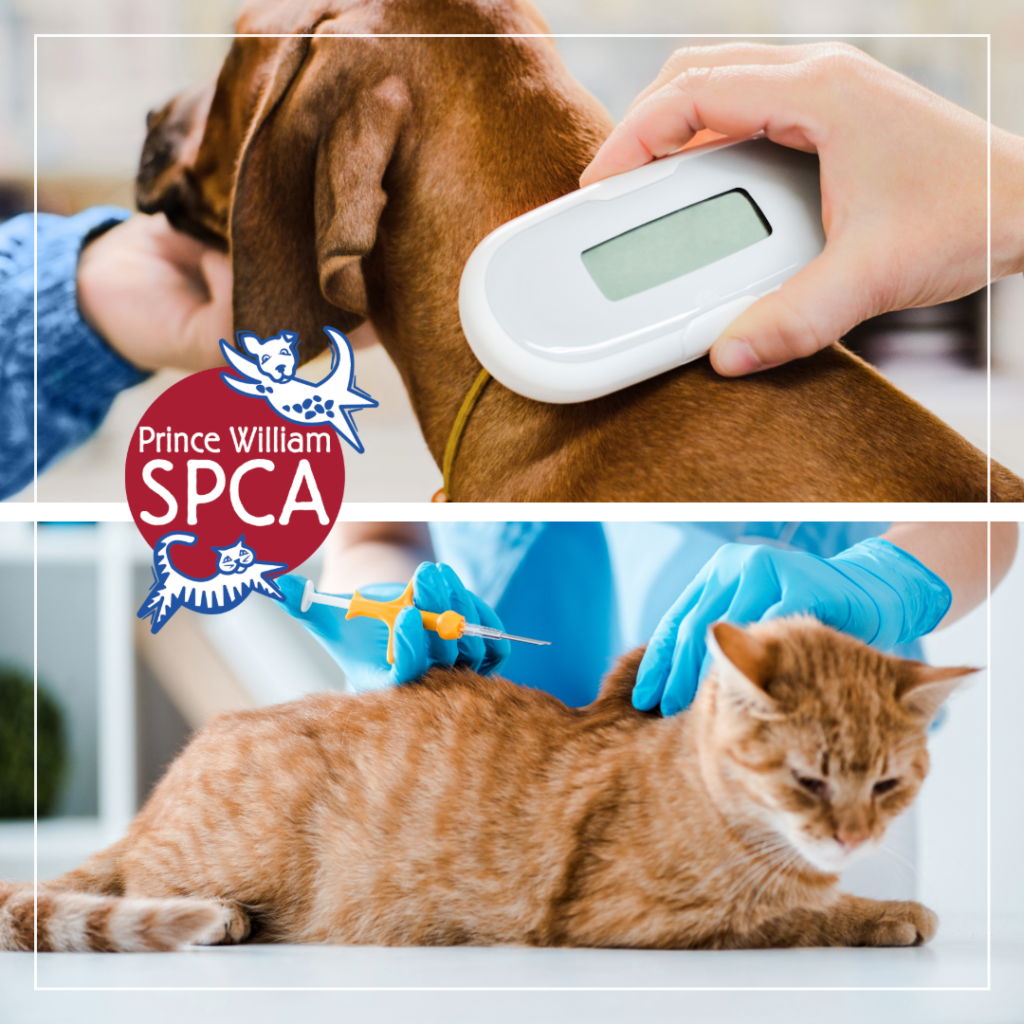
Microchipping involves embedding a small, rice-sized chip under the pet’s skin, usually between the shoulder blades. This chip contains a unique identification number that can be read by a handheld scanner. When a lost animal is found by a shelter, veterinarian, or animal control officer, they can scan the chip and access the owner’s contact information via a secure database. This simple yet effective method offers numerous benefits for both animals and their owners.
Increased Chances of Recovery
One of the most compelling advantages of microchipping is the increased likelihood of recovering lost pets. According to research, over 70% of microchipped pets are successfully reunited with their families, compared to only 15% of non-microchipped pets. This stark contrast highlights the essential role of microchips in facilitating swift reunions. For instance, shelters often report that microchipped dogs are returned home significantly faster than those without microchips, showcasing the device’s life-saving potential.
Immediate Identification
In addition to aiding recovery efforts, microchips provide immediate and reliable identification. When a pet is scanned, the owner’s information can be accessed in seconds. This is particularly vital during emergencies. For example, if a pet is injured, vets can quickly contact the owner to discuss treatment options and obtain relevant medical history, ensuring that animals receive timely care.
Enhancement of Public Safety
The impact of microchipping extends beyond individual pets; it also enhances public safety. Stray animals can pose risks to community health and safety. When lost pets are quickly returned to their owners through microchipping, it significantly reduces the number of stray animals roaming neighborhoods. More importantly, this proactive approach helps keep families united while minimizing the potential dangers associated with loose pets.
Moreover, the advent of microchipping has supported changes in animal legislation across the United States. Municipalities are increasingly mandating microchips for pets in their jurisdictions. Such laws are aimed at bolstering community efforts to reunite lost pets with their owners, as evidenced by the successful ordinances in cities like San Francisco and Denver, which have reported significant decreases in lost pet numbers.
Beyond mere survival and safety, microchipping contributes to improved animal welfare on a broader scale. The stories of heartfelt reunions highlight the emotional significance of these devices. They remind us that even small innovations can have a profound impact on the lives of pets and their families. As technology continues to evolve, the potential for microchipping to foster stronger bonds between humans and animals becomes increasingly promising.
Conclusion
As we explore the significant benefits of microchipping, it is essential to consider its contribution not only to pet recovery but also to the overall welfare of animals in our communities. The advancements in microchipping technology are changing how we think about pet safety, ensuring that the bond between humans and their beloved companions grows ever stronger.
DISCOVER MORE: Click here to learn about the impact of adopting shelter animals
Revolutionizing Pet Recovery Efforts
The integration of microchipping technology into pet care has sparked a revolutionary shift in lost pet recovery efforts. With the staggering number of lost pets on the rise—approximately 10 million pets go missing every year in the United States—the need for effective identification and recovery solutions has never been more urgent. Microchipping not only provides a safety net for pet owners but also plays a crucial part in alleviating the burden on shelters and rescue organizations inundated with lost animals. This technology is more than just a trend; it serves as a lifeline for pets and their owners.
Microchip Technology and Its Functionality
Microchips operate through a straightforward yet ingenious mechanism. Each microchip is encapsulated in a biocompatible glass cylinder and is designed to last for a pet’s lifetime. The chip, when scanned, emits a unique identification number detected by a scanner, linking the pet to the owner’s information stored in a secure database. The process is quick and painless and can be performed during routine veterinary visits or adoption procedures.
However, the benefits of microchipping extend beyond mere identification. The combination of microchipping with responsible pet ownership practices can vastly improve the chances of a successful reunion. Here are several essential steps that pet owners can take to maximize the effectiveness of microchipping:
- Update Registration: Ensure that your pet’s microchip registration details are always current. Notify the microchip registry of any changes in ownership or contact information.
- Regular Scanning: Periodically scan your pets for their microchip to ensure proper functionality and that they remain detectable.
- Education: Promote awareness about microchipping within local communities to encourage more owners to microchip their pets.
- Reinforce Safe Practices: Keep collars with ID tags on pets, in addition to microchips, for layers of protection.
The Broader Implications on Animal Welfare
The implications of microchipping extend deeply into animal welfare considerations. With shelters inundated with lost pets, the strain on resources escalates, often leading to tragic outcomes for those animals. Microchipping effectively lowers the risk of euthanasia by enabling quick reunitings, which can result in significant decreases in shelter populations. For instance, states that have adopted laws mandating microchipping have reported striking reductions in the number of animals entering these facilities.
Furthermore, the emotional aspect of lost pet recovery cannot be overlooked. Many families experience profound distress when their pets go missing, often fearing the worst outcomes. Microchipping provides peace of mind, as owners recognize their pets have a mechanism that increases their chances of safely returning home. This emotional reassurance greatly contributes to the overall wellbeing of both animals and their caregivers.
As awareness around microchipping continues to grow, coupled with educational initiatives surrounding responsible pet ownership, the potential to transform lost pet recovery and animal welfare practices becomes clearer. The journey ahead is not just about reuniting pets with their families; it’s about building a community where every pet can be safe, protected, and cherished.
| Advantage | Impact on Animal Welfare |
|---|---|
| Increased Recovery Rates | Microchipping significantly enhances the chances of lost pets being reunited with their owners. Studies indicate a higher return rate for microchipped pets, especially in shelters. |
| Preventing Euthanasia | By identifying lost pets and facilitating their return, microchipping reduces the number of animals entering shelters, thus lowering the euthanasia rates which has a profound effect on overall animal welfare. |
The ongoing adoption of microchipping technologies marks a pivotal shift in how we approach the issue of lost pets and their welfare. Beyond just promoting reunification, the use of microchips can also aid in tracking trends related to pet homelessness and abandonment. It is not just about a microchip being a means of identification; it becomes an integral part of a larger conversation about responsible pet ownership. Moreover, with initiatives to promote free or low-cost microchipping events, communities worldwide are recognizing their vital role in fostering better animal welfare outcomes. By exploring these benefits, pet owners and community members can rally together to create a safer environment for our furry friends and acknowledge the potential of microchipping as a powerful tool in reducing the plight of lost pets.
LEARN MORE: Click here for insights
Fostering Accountability Among Pet Owners
Beyond its immediate impact on lost pet recovery, microchipping plays a significant role in promoting accountability among pet owners. In a society where pets are often seen as family members, the responsibilities that come with pet ownership should be equally prioritized. By mandating microchipping, communities can ensure that pet owners are not only responsible for their animal’s welfare but also for their identification and safety.
The presence of a microchip encourages pet owners to be more vigilant and proactive about their animals’ safety. For example, municipalities and states that have enacted laws requiring microchipping for registered pets have seen a tangible difference in pet ownership attitudes. Data suggest that jurisdictions with microchipping mandates have lower instances of stray animals, as owners become more dedicated to preventing their pets from getting lost in the first place. This proactive approach further reduces the burden on shelters and rescues, creating a more balanced ecosystem between pets and the communities that support them.
A Case Study in Successful Implementation
Looking at specific case studies provides further insight into how microchipping can impact animal welfare on a larger scale. One notable example is the city of San Francisco, which implemented a microchipping program that linked the return rate of lost pets to increased microchip use. Following the rolling out of affordable microchipping clinics in community parks and shelters, the rate of reunions skyrocketed—reportedly over 50% of lost pets were returned to their owners within days. This not only highlights the efficacy of microchips but underscores the importance of accessibility, education, and community involvement in maximizing their potential.
This initiative in San Francisco also reveals the profound connection between microchipping and overall community welfare. When pets are reunited with their families, the city sees decreased stress on shelter resources and improved quality of care for animals in need of new homes. Enhanced collaboration among veterinary clinics, government agencies, and pet owners fosters a united front on animal welfare that reverberates positively throughout the population.
Legislation and Its Role in Animal Safety
Legislative measures play an indispensable role in enhancing microchipping practices and, consequently, animal welfare. As new laws are adopted, particularly those aimed at pet owner accountability, more pets can benefit from the protective advantages that microchips provide. For instance, California’s recent legislation mandates microchipping for all adopted pets, and anecdotal reports from shelters indicate that this has resulted in notable reductions in the number of unclaimed animals.
Advocacy groups are also working tirelessly to raise awareness about the importance of microchipping. Campaigns that focus on the risks of unchipped pets, stressing statistics such as the 20% of lost pets never return home, are vital in prompting discussions about responsible pet ownership. Education initiatives focusing on microchip benefits can transform public perception and behavior regarding animal care, paving the way for more informed decisions among potential pet owners.
Moreover, as technology continues to evolve, innovations such as GPS-enabled microchips are becoming a reality. These advanced identification tools allow pet owners to track their pets in real time, offering an additional layer of safety that can be invaluable for those who own pets prone to adventurous escapes. This progression signals a promising future for the application of microchips in pet care, underscoring the ongoing relationship between technology, responsibility, and animal welfare.
Dive deeper into pet nutrition: Click here to learn more
Conclusion: A Lifeline for Pets and Their Owners
In an increasingly pet-centric society, the importance of microchipping cannot be overstated. The practice serves as a critical tool in lost pet recovery and enhancing animal welfare. By providing a permanent form of identification, microchips dramatically increase the chances of reuniting lost pets with their families, proving that a small investment can lead to significant outcomes. With statistics revealing that up to 90% of lost microchipped pets are returned to their owners, it becomes evident that microchipping is an essential component of responsible pet ownership.
Moreover, legislative initiatives mandating microchipping pave the way for broader accountability among pet owners, fostering a culture of responsibility that prioritizes animals’ safety. Successful case studies like San Francisco illustrate how community engagement and education can amplify this impact, leading to lower stray populations and reduced stress on animal shelters.
As technology continues to advance, the future looks bright for microchipping practices. Innovations like GPS-enabled chips stand to revolutionize pet safety, offering real-time tracking that can further mitigate the risks of pet loss. As a society, it is crucial to embrace these innovations while reinforcing the notion that every pet deserves a safe return home. Through collaborative efforts between pet owners, animal welfare advocates, and government agencies, we can ensure that microchipping evolves into a universal standard that enhances both animal welfare and community wellbeing.
Ultimately, microchipping is more than a simple identification method; it is a representation of our commitment to the animals we cherish. Understanding its benefits can lead to a future where every lost pet receives a fair shot at being found and returned, redefining the relationship between pets and their humans in profound ways.