
The Importance of Adopting Shelter Animals: Success Stories and Community Impact

Understanding Shelter Animal Adoption
Every year, millions of animals find their way into shelters across the United States, seeking loving homes. Adopting shelter animals is not merely a compassionate choice; it significantly impacts communities in countless, often transformative ways. The act of adopting a pet is not just about finding a companion; it is about taking part in a systemic solution benefiting society as a whole.
Impact on Shelter Life and Capacity
Saving Lives: One of the most compelling reasons to adopt a shelter animal is that every adoption frees up space, allowing shelters to accommodate more at-risk animals. According to the ASPCA, approximately 6.3 million animals enter U.S. shelters every year, and adopting one can literally save a life. For instance, when a family adopts a dog or cat from a shelter, that animal gains a chance at a permanent home, while the shelter can assist another animal desperately in need. This cycle of rescue is crucial in reducing euthanasia rates, which sadly still amount to over 200,000 annually.
Community in Action
Community Engagement: The act of adopting brings people together, fostering a stronger community bond through shared advocacy for animal welfare. Local adoption events often transform into community festivals, where uniting for a common cause promotes a sense of belonging and responsibility among residents. These events not only highlight the need for animal rescue but also create opportunities for engagement. Stories of individuals who create non-profit organizations or volunteer their time to assist local shelters exemplify how adoption can spark a powerful community-driven initiative.
Financial Advantages
Economic Benefits: Adopting from shelters also offers economic benefits by helping local governments reduce the financial burden associated with stray animals. The costs of maintaining stray populations—through feeding, healthcare, and shelter—are substantial. By choosing to adopt, families effectively reduce these costs, ensuring that more funds can be allocated toward educational programs regarding responsible pet ownership and community education aimed at reducing animal overpopulation.
Personal Transformations and Success Stories
Beyond statistics, the joyful tales of success through shelter adoption are vast and heartwarming. Families have discovered lifelong companions, while individuals have undergone profound emotional healing through the love of a rescued pet. Consider the story of a young woman who, after overcoming her battle with depression, adopted a senior dog from a local shelter. The companionship not only improved her mental health but also inspired her to become an advocate for senior dog adoption, thus striving to change perceptions about older shelter animals.
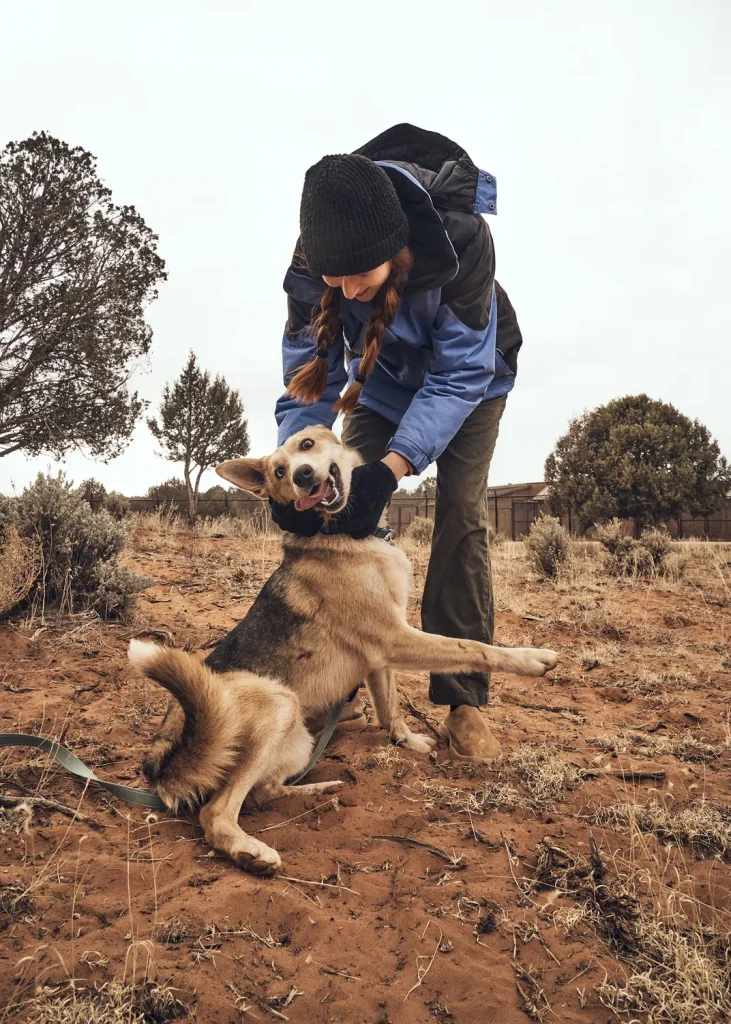
From touching reunions of lost pets with their families to community-driven initiatives aimed at increasing awareness about animal welfare, the narratives surrounding shelter animals and their adopters serve as powerful reminders of the difference one decision can make. By choosing to adopt, you join a movement that emphasizes compassion, encourages community solidarity, and fundamentally helps create a better world for our furry friends.
DISCOVER MORE: Click here to learn how social media influences animal adoption
Transforming Lives Through Adoption
Adopting a shelter animal not only changes the life of the animal but also profoundly impacts the lives of the adopters. Every adoption story is unique, filled with moments that demonstrate the extraordinary bond between humans and their pets. These connections often lead to personal transformations and a newfound sense of purpose in individuals who may have previously felt isolated or disconnected from their communities.
Shared Joys and Mutual Benefits
Emotional Recovery: Numerous studies have highlighted the psychological and emotional benefits of pet adoption. Pets provide unconditional love and companionship, significantly reducing symptoms of anxiety and depression. For instance, there are many testimonials from individuals who report how adopting a shelter animal brought joy back into their lives, helping them to cope with loss or loneliness. An excellent example is the story of a veteran diagnosed with PTSD. After adopting a rescue dog, he found solace in the dog’s loyalty and companionship, leading to both emotional healing and a decrease in symptoms.
Building a Better Community
Community Connection: The act of adopting doesn’t just stop at providing a loving home; it often encourages a community’s spirit of kindness and volunteering. Many adopters become advocates for animal welfare, often sharing their experiences on social media or local forums, sparking interest and discussion about pet adoption in their circles. Some even take their advocacy a step further by:
- Organizing local fundraising events to support shelters and rescue operations
- Creating awareness campaigns that address pet overpopulation and responsible pet ownership
- Volunteering time and resources to help with shelter operations or community outreach efforts
This ripple effect of community engagement not only encourages more adoptions but also raises awareness around the importance of animal rescue. On a larger scale, communities that actively participate in adopting shelter animals often witness a significant decrease in stray populations, leading to healthier and happier environments for both residents and animals.
Changing Perceptions of Shelter Animals
Success Stories: One of the most significant barriers to adoption is the stigma surrounding shelter animals, particularly those with special needs or those labeled as ‘problematic.’ However, inspiring narratives of once-overlooked animals becoming beloved family members are changing public perceptions. For example, a three-legged cat named Lucky was passed over by families due to her disability, but she eventually found a home where her unique spirit brought immeasurable joy. Such stories serve to remind us that adopting a shelter animal is not just an act of kindness, it can also add so much richness to our lives.
As we explore the multitude of pathways that shelter animal adoption paves, it becomes clear that each story of success is a thread woven into a larger tapestry of community impact and personal evolution. By choosing to open their hearts and homes to shelter animals, individuals not only provide new beginnings for these vulnerable creatures but also embark on their journeys of growth and connection.
The Role of Community in Successful Adoptions
The impact of adopting shelter animals extends beyond the individual pet and owner relationship; it significantly influences the community as well. Many shelters actively engage with local communities through various events and programs, further raising awareness about the plight of abandoned animals. These initiatives not only promote adoption but also foster a sense of unity and social responsibility within neighborhoods.
Success stories from these efforts highlight how community involvement can transform the fate of countless animals. For instance, a joint venture between a local shelter and nearby schools has led to educational programs that teach children about responsible pet ownership and the importance of adopting rather than buying pets. By instilling these values at a young age, communities can work towards reducing the number of animals left homeless and ensuring they find loving families.Furthermore, the ripple effect of adoption creates a supportive environment for both humans and animals alike. When individuals share their positive experiences of adopting shelter pets, it inspires others in their circles to consider the benefits of giving a homeless animal a chance at a better life. This word-of-mouth advocacy is a powerful tool, as personal stories often resonate more deeply than statistics or traditional marketing methods.To deepen the community’s engagement, some shelters organize “Adoption Days,” where families are encouraged to interact with animals in need of homes. These events often include entertainment and educational booths, providing a fun atmosphere that encourages adoptions. The joy of watching a previously abandoned animal find a new loving family visibly showcases the positive impact of shelter adoption in uplifting lives and bringing happiness to both pets and their new owners.
| Community Engagement | Impact on Adoption Rates |
|---|---|
| Programs and Events | Higher visibility leads to increased adoption inquiries. |
| Collaboration with Local Schools | Education fosters long-term responsible pet ownership. |
In addition, partnerships with local businesses often result in sponsorships and support for shelters, creating a sustainable ecosystem that benefits all involved. When local shops display adoption flyers or donate a portion of their profits to shelters, it enhances community spirit and encourages local residents to consider adopting shelter animals.
DISCOVER MORE: Click here to learn about the importance of dog socialization
Fostering Change Through Adoption
Adoption is more than merely bringing a pet home; it represents a key opportunity for fostering social change and driving discussions about animal welfare. When families opt for shelter animals, they directly support the fight against pet overpopulation—a critical issue in the United States where it is estimated that around 6.3 million companion animals enter U.S. animal shelters every year. By welcoming these animals into their lives, adopters take a stand against this growing crisis and ultimately save lives.
The Ripple Effect of Adoption
Increased Awareness and Education: Beyond the emotional and psychological benefits, adopting a shelter animal serves as a catalyst for community education about responsible pet ownership. Many shelters have begun implementing education programs for potential adopters, focusing on the importance of spaying and neutering, proper training, and nutrition. As more people engage with these programs, they become knowledgeable advocates who can influence friends and families, creating a multiplier effect of awareness and responsible practices throughout the community.
For instance, families who adopt are often seen sharing their pet experience through local media or social media platforms. A perfect example is the #AdoptDontShop movement, which gained traction through personal stories shared by pet owners across the country. By utilizing their platforms, these individuals illuminate the challenges faced by shelter animals, thus shifting the perception of shelters as a source of “problematic” pets to that of places brimming with potential. This grassroots advocacy not only aids in changing attitudes but also mobilizes a community around animal welfare.
The Role of Local Businesses
Community Collaboration: Local businesses are increasingly playing a vital role in the impact of shelter animal adoption. Pet supply shops, veterinary clinics, and grooming services often partner with shelters to support adoption events and offer discounts for adopters. For example, businesses like PetSmart and Petco frequently host adoption days, where they provide a platform for local shelters to present animals in need of homes. This collaboration not only aids the shelters but helps drive traffic to these businesses, showcasing that pet adoption can benefit the broader economy.
Furthermore, these partnerships foster a culture of responsibility in pets’ lives after adoption. When businesses offer packages that include food, grooming, and healthcare for newly adopted pets, they help ensure a smoother transition into their new lives. This collaboration often results in a measurable decrease in the return rate of adopted pets, helping both the shelters and adopters ensure lasting relationships between pets and people.
Long-Term Impacts on Public Health
Improved Public Welfare: Adopting shelter animals is linked to enhanced public health outcomes. According to research published by the American Psychological Association, pet ownership has been shown to lower blood pressure, cholesterol levels, and feelings of loneliness. For communities with high rates of pet ownership, there are often noticeable improvements in overall mental and physical health. Areas with higher adoption rates also see lower rates of contractible pet-related diseases as stray populations diminish.
Lowering the stray population reduces the number of animals left to fend for themselves, which in turn diminishes incidents of bite injuries and the transmission of zoonotic diseases. Healthy pets lead to healthier communities, and this holistic approach to pet adoption signifies not just a trend, but a communal responsibility that benefits far beyond the individual.
The stories of shelter animal adoption resonate with hope, advocacy, and the transformative potential of chance encounters. By opening our hearts to these animals, we empower our communities to change the narrative around shelter adoption and cultivate empathy for those who are often overlooked.
DISCOVER MORE: Click here for insights on helping pets settle into new homes
Embracing Change Through Adoption
In conclusion, the act of adopting shelter animals extends far beyond the joy of welcoming a new pet into one’s home; it stands as a powerful testament to community involvement and social responsibility. The staggering statistic of 6.3 million companion animals entering U.S. shelters annually highlights the urgency of addressing pet overpopulation, and each adoption represents a beacon of hope that can lead to impactful change. The intertwining benefits of adoption—whether they be educational, economic, or health-related—demonstrate a multifaceted influence on society.
As communities rally around initiatives that promote adoption, the narrative transforms from one of despair to a celebration of resilience and second chances. Through social media platforms, grassroots movements like #AdoptDontShop shine a spotlight on the potential of shelter animals, paving the way for more informed and compassionate practices among future pet owners. Collaborative efforts with local businesses can further enhance these outcomes, creating a supportive ecosystem that benefits both pets and their humans.
Moreover, the public health implications link pet ownership to improved mental and physical health, showcasing the broader benefits of adoption for society at large. As communities witness the positive changes that adopting shelter animals can bring, it becomes increasingly clear that each adoption story contributes to a larger narrative—a movement that champions empathy and challenges the stigma surrounding shelter animals.
Therefore, engaging with the realities of shelter adoption is not merely an individual decision; it is an opportunity for collective action that cultivates a more humane and health-conscious society, ensuring that every animal finds a loving home. In embracing shelter animals, we are not only saving lives but also enhancing the vitality of our communities, one adoption at a time.