The Influence of Environmental Enrichment on Pet Behavior
Understanding Environmental Enrichment
Many pet owners may not realize how environmental enrichment plays a crucial role in shaping their pets’ behavior. By introducing stimulating elements into an animal’s environment, owners can significantly enhance their pets’ quality of life. This can lead to improved mental health, reduced stress, and even better social interactions.
What is Environmental Enrichment?
Environmental enrichment involves providing pets with various forms of entertainment and activities that mimic natural behaviors. Hillsides, forests, water bodies, and other natural settings serve as the home environments for many animals. However, domestication often confines these species to homes and yards that may not adequately stimulate them. Enrichment aims to bridge this gap and involve a variety of strategies and tools, including:
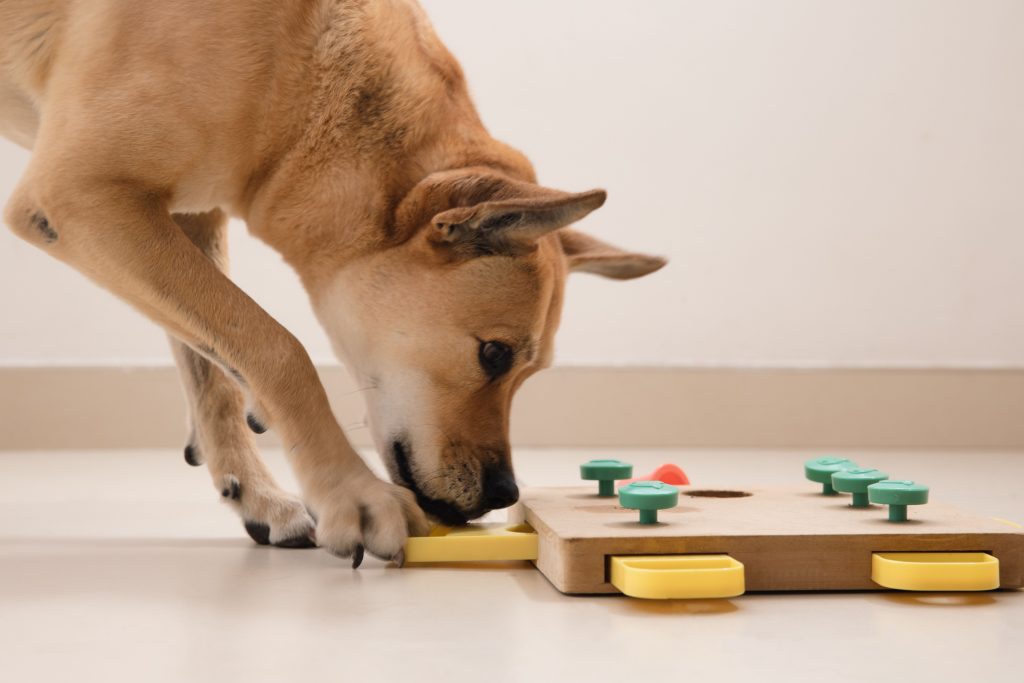
- Interactive toys: Toys that require pet engagement—like puzzle feeders for dogs or feather wands for cats—can stimulate cognitive functions, helping animals use their problem-solving skills to access rewards.
- Outdoor activities: Regular outdoor experiences expose pets to a range of sights, sounds, and smells, providing both physical exercise and mental stimulation. Activities like hiking or even a simple game of fetch can invigorate your pet’s day exponentially.
- Social interactions with other pets: Organizing play dates or participating in dog parks can fulfill socialization needs, reduce feelings of loneliness, and improve social skills in multi-pet households.
- Enriched scents and sounds: Utilizing scent trails or playing nature sounds can mimic the natural hunting or foraging activities of pets. This engages their sense of smell and hearing, which can be particularly calming and enriching.
Implementing these elements can help prevent boredom and behavioral issues that often stem from insufficient stimulation. In essence, enrichment can transform a dull living environment into a vibrant one, making interactions with your pet more meaningful.
The Impact on Behavior
Research indicates that pets subjected to inadequate environmental enrichment may exhibit:
- Aggression: Pets may show signs of frustration or aggression when they are not mentally challenged, often resulting in unruly or harmful behavior towards owners or other pets.
- Destructive behavior: Dogs may chew furniture, while cats could scratch walls or furniture out of boredom. This behavior is usually a sign that they are seeking stimulation and engagement.
- Anxiety and stress: Insufficient mental and physical stimulation can manifest as anxiety. Pets may pace, bark excessively, or show signs of distress when left alone if they lack engaging stimuli.
Conversely, a well-enriched environment can foster positive behaviors, such as increased playfulness and reduced anxiety, creating a more harmonious home for both pets and their owners. A study published in the Journal of Feline Medicine and Surgery showed that adding environmental enrichment elements significantly reduced stress levels in shelter cats, aiding in their adoption rate. Hence, investing time in understanding and implementing environmental enrichment not only benefits your pet’s well-being but contributes to a happier shared life in your household. Take the time to discover ways to enhance your pet’s world; the rewards will be evident in their behavior and your bond.
LEARN MORE: Click here for insights on training techniques
The Connection Between Enrichment and Behavioral Transformation
Understanding the influence of environmental enrichment on pet behavior requires recognizing the innate instincts that drive our furry companions. Pets, much like their wild counterparts, have evolved behaviors that are closely tied to their environment. In domestic settings, where natural stimuli are often lacking, providing enrichment is essential to making sure they remain happy and healthy.
The Role of Natural Behaviors
Each pet species has unique natural behaviors shaped by their ancestry. For instance, dogs are descended from wolves and possess a strong prey drive, while cats are instinctual hunters. Enrichment allows them to express these behaviors in safe and controlled ways, thereby preventing frustrations that can arise from their confinement. Some of these natural behaviors include:
- Hunting and Foraging: Activities such as hiding treats for pets to find simulate the hunting instincts deeply rooted in them.
- Exploration: Dogs and cats alike thrive on exploring new spaces. Allowing access to different areas, whether it’s a backyard or an indoor obstacle course, can lead to mental stimulation.
- Social Interactions: Pets are social creatures. Ensuring they have options to interact with both people and other animals can cultivate their natural social skills.
- Playful Behavior: Engaging in play is a natural behavior that encourages physical activity and mental stimulation, helping to reduce stress and anxiety while strengthening the bond between owner and pet.
Failing to provide opportunities for these instincts to surface can lead to a variety of behavioral issues. Pets that experience boredom or a lack of stimulation may act out in ways that can strain the human-animal relationship. For instance, a dog that does not receive adequate physical and mental stimulation may resort to destructive behaviors such as chewing on furniture or excessive barking.
Evidence of Positive Outcomes
Numerous studies underscore the importance of environmental enrichment in promoting positive behaviors among pets. For example, research conducted on laboratory animals showed that those provided with rich environments experienced significant improvements in their overall emotional state, leading to reduced anxiety and aggression. These findings can be easily extrapolated to domestic pets. The American Animal Hospital Association emphasizes that mental and physical stimulation leads to healthier, well-adjusted pets who exhibit fewer behavioral issues and increased social engagement.
In summary, the integration of enriching experiences into a pet’s daily life is not just a luxury; it is a necessity. By paying attention to the specific needs and natural behaviors of pets, owners can create a more dynamic environment. Young or old, every pet can benefit from a bit of creative enrichment, leading to a more fulfilled existence and a stronger owner-pet bond.
| Positive Behavioral Changes | Types of Environmental Enrichment |
|---|---|
| Enhanced stimulation leads to decreased anxiety and aggression in pets. | Toys, interactive games, and nature exploration enhance a pet’s living space. |
| Higher levels of engaging activities improve cognitive function and problem-solving skills. | Social interaction, training sessions, and varied diets contribute to well-rounded behavior. |
The influence of environmental enrichment on pet behavior is profound and multifaceted. Regular stimulation can lead to significant improvements in a pet’s emotional and psychological health. For instance, when pets are engaged in activities like puzzle toys or interactive playdates, it not only curbs boredom but also reduces tendencies towards unwanted behaviors such as destructive chewing or excessive barking. Research shows that pets exposed to diverse sensory experiences—such as new textures, scents, and sounds—exhibit increased adaptability and resilience to stressors. Thus, creating an enriched environment is not just a luxury, but a necessity for a balanced pet lifestyle. The implications extend further, showcasing how dedicated pet owners can shape positive behavioral outcomes through thoughtful enrichment strategies. This also opens the door for further exploration into how these enhancements can transform pet behavior over time.
DIVE DEEPER: Click here to find the perfect pet for your lifestyle
Tailoring Enrichment to Different Pets
As the understanding of environmental enrichment deepens, it becomes clear that tailoring enrichment strategies to fit the individual characteristics of different pets is crucial. Each species, and even individual animals within a species, may have varying needs based on their genetic background, age, and personality traits. By customizing enrichment programs, pet owners can maximize the benefits and ensure a happier, healthier pet.
Canine Enrichment Strategies
For dogs, enrichment can take many forms. Engaging their sense of smell is particularly beneficial, as dogs possess a sense of smell that is far more developed than humans. Activities like scent trails, hide-and-seek with toys, or even using nose work games specifically designed for scent detection can satisfy their inherent need to explore and hunt through scent. Additionally, incorporating agility training helps develop their physical skills while providing both mental and social stimulation. Studies show that dogs participating in these types of activities experience lower stress levels and higher overall happiness.
Another aspect of dog enrichment is the utilization of puzzle toys. These toys compel dogs to think critically as they work to uncover treats hidden inside. Research indicates that dogs using such toys are less prone to anxiety and exhibit fewer destructive behaviors, showcasing the positive impact of mental challenges. Furthermore, socialization with other dogs through playdates, training classes, or dog parks can significantly enhance a dog’s social skills and reduce fear or aggressive tendencies.
Feline Enrichment Techniques
Cats, with their distinct hunting style and territorial nature, also require specific types of enrichment to maintain their well-being. One effective method for providing stimulation is incorporating vertical spaces, such as cat trees, shelves, or window perches. These allow cats to explore and survey their environment from various heights, tapping into their instinctual tendencies to climb and observe. Additionally, interactive toys like feather wands or laser pointers engage their predatory instincts while encouraging physical activity.
Another crucial factor in feline enrichment is the incorporation of routine changes. Introducing new toys, rearranging furniture, or creating scent trails with catnip can pique their curiosity and inspire exploration. Research conducted by the College of Veterinary Medicine at the University of Florida indicates that well-stimulated cats exhibit fewer signs of stress and aggression, reinforcing the idea that enrichment is vital for feline happiness.
The Intersection of Enrichment and Mental Health
The link between environmental enrichment and mental health is becoming increasingly evident in recent studies. A study published in the Journal of Veterinary Behavior found that pets given regular access to stimulating environments experienced less anxiety and depression compared to those confined to dull surroundings. Such findings highlight the necessity of acknowledging pets not just as companions but as complex beings with emotional needs.
Moreover, pet owners should consider the importance of routine. Establishing a schedule that includes play, training, and socialization can result in a well-balanced lifestyle for pets. This regularity helps reduce stress and anxiety while fostering good behavioral patterns. Whether engaging a dog in a daily walk or creating a playtime schedule for a cat, consistency and variety are essential for maintaining a pet’s mental health.
In summary, enriching environments cater directly to the instincts and emotional needs of pets. By understanding specific enrichment strategies tailored to different species and individual personalities, pet owners can not only enhance their pet’s quality of life but also pave the way for healthier behavioral outcomes.
DISCOVER MORE: Click here to learn about positive cat training techniques
Conclusion: Enhancing Pet Lives Through Enrichment
As we have explored, the impact of environmental enrichment on pet behavior is profound and multifaceted. By customizing enrichment strategies that cater to the unique instincts and needs of both dogs and cats, pet owners can significantly enhance their pets’ physical health and mental well-being. Activities that stimulate a pet’s senses, whether through scent exploration for dogs or vertical play spaces for cats, not only improve quality of life but can also mitigate stress and anxiety-related behaviors.
The evidence supporting the importance of enrichment is compelling. Studies consistently reveal that pets thriving in stimulating environments exhibit fewer signs of distress and aggression, leading us to understand the essential role that enrichment plays in fostering positive behavior. Additionally, routine plays a critical role in this enrichment process, ensuring that pets experience a varied and engaging lifestyle that promotes overall happiness.
In conclusion, acknowledging pets as complex beings with emotional needs opens avenues for creating enriching environments tailored to individual species and personalities. The correlation between environmental enrichment and improved behavioral outcomes highlights the responsibility pet owners have to provide their furry companions with the best possible lives. By implementing diverse enrichment strategies, we not only celebrate the joys of pet ownership but also cultivate a deeper bond with our pets, making their lives richer and more fulfilling. It’s a journey that promises rewards not just for our beloved animals, but for us as pet owners as well.