
The Role of Veterinary Care in Successful Pet Adoption Outcomes
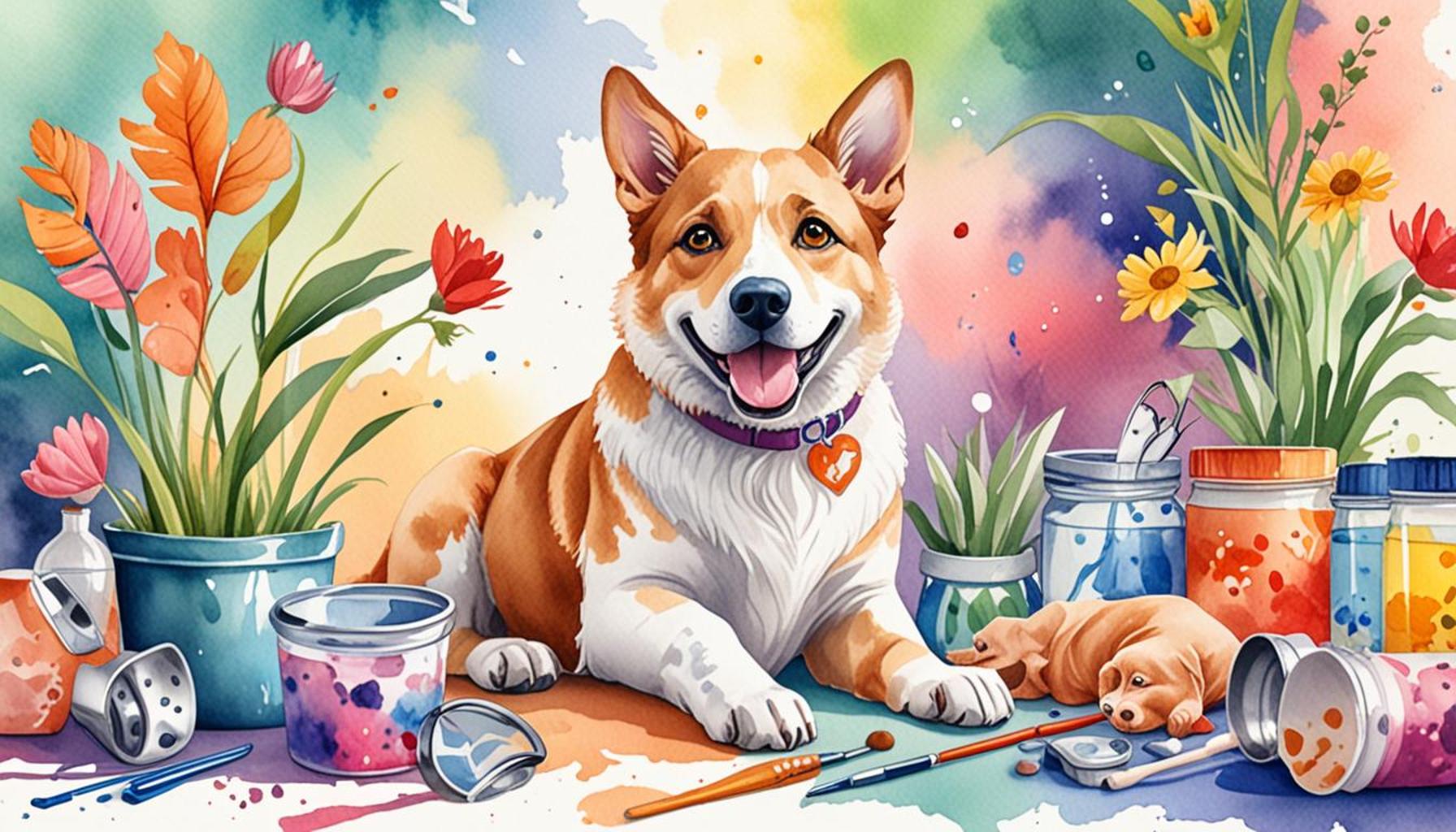
The Role of Veterinary Care in Enhancing Pet Adoption Outcomes
Every year, millions of animals enter shelters across the United States, seeking a second chance at life. Adoption serves as an essential pathway to providing these animals with loving homes. However, the success of adoption outcomes is often contingent upon one critical factor: veterinary care.
Veterinary services are crucial in preparing pets for their new homes. They play a significant role in ensuring that animals are not only healthy but also well-adjusted and ready for a smooth transition into family life. Various underpinnings of veterinary care enhance adoption processes, which include:
- Health assessments: Regular check-ups and vaccinations are vital to identifying and preventing health issues that could deter potential adopters. For instance, statistics indicate that dogs and cats who receive proper veterinary care are significantly less likely to be returned to shelters due to health-related problems.
- Behavior evaluations: Understanding an animal’s temperament through behavioral assessments allows shelters to match pets with families that can meet their needs. For example, a high-energy dog might be best suited for an active family that enjoys outdoor activities, while a more laid-back cat could thrive in a quieter home environment.
- Spaying or neutering: These procedures are not only essential for controlling the pet population but can also lead to improved behavior. Neutered pets often exhibit fewer aggressive tendencies and are less likely to roam, making them better companions for families.
Beyond just immediate health and behavior, veterinary care educates potential adopters on responsible pet ownership. Providing information on topics such as nutrition, exercise, and preventive care profoundly impacts the long-term success of the adoption. For instance, a study showed that adopters who received proper guidance on nutrition were able to maintain optimal weights for their pets, reducing the risk of obesity-related health issues down the line.
The connection between veterinary services and successful pet adoption outcomes is not merely coincidental; it is a fundamental element that shapes the overall experience for both pets and their new families. In this article, we’ll delve deeper into how veterinary care contributes to higher adoption success rates, exploring statistics, case studies, and expert opinions that illuminate this indispensable relationship.
As we navigate through this discussion, it becomes clear that fostering a strong partnership between shelters and veterinary professionals can significantly enhance the likelihood of a successful adoption, ensuring that more animals find their forever homes while minimizing the risk of return to shelters.
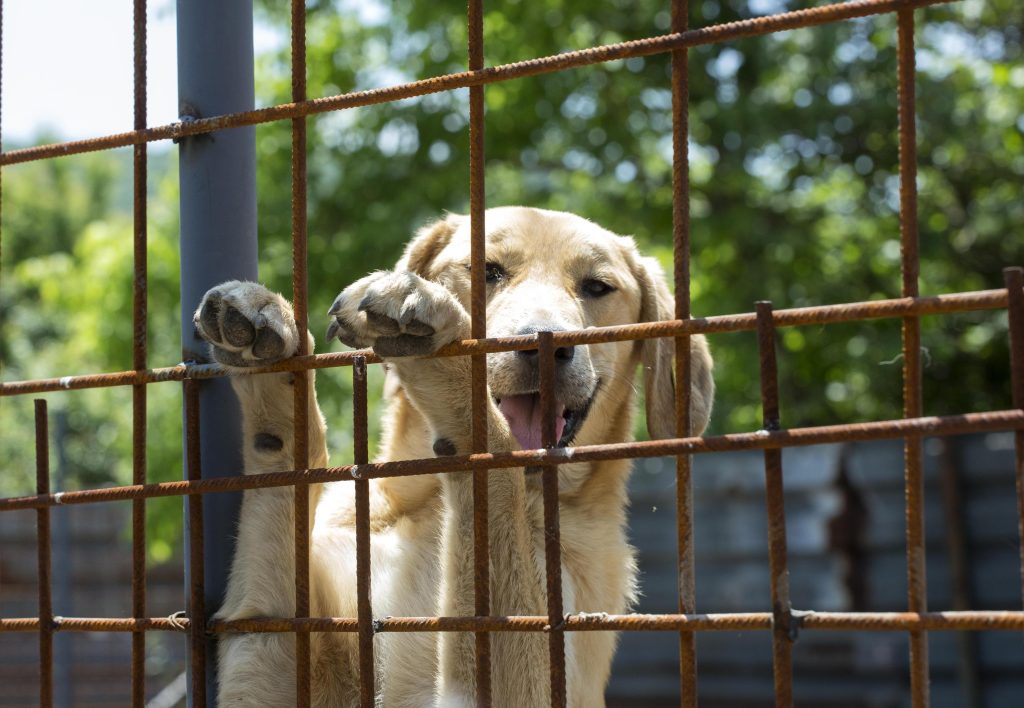
LEARN MORE: Click here for insights on pet nutrition
The Impact of Health Assessments on Adoption Success
In the realm of pet adoption, ensuring optimal animal health is the first essential step toward a successful outcome. Health assessments conducted by veterinary professionals provide crucial insights into an animal’s physical condition. These assessments include comprehensive physical examinations, vaccinations, and parasite control, creating a robust foundation for a pet’s future well-being. In fact, studies show that animals who undergo thorough health evaluations are significantly more appealing to potential adopters, as they are perceived as healthier and more vibrant companions.
Moreover, regular veterinary check-ups serve as a vital communication tool between shelters and adopters. When a pet has a documented history of vaccinations and health screenings, it boosts the confidence of prospective families. People are more likely to adopt animals that come with a clean bill of health, thus reducing the likelihood of impulse decisions that could lead to returns. Data from the American Society for the Prevention of Cruelty to Animals (ASPCA) supports this notion, indicating that shelters providing health records experience an increase in adoption rates.
Behavioral Assessments: Matching Pets with Families
Another integral facet of veterinary care in the adoption process is behavioral assessments. Understanding an animal’s behavior is just as critical as knowing its health status. Veterinary professionals are trained to observe and evaluate pets’ temperaments, which helps staff at shelters match animals with families that best fit their lifestyle. This tailored approach results in more harmonious family dynamics and minimizes the chance of adverse outcomes following an adoption.
For instance, a hyperactive dog may thrive in a household with a yard and active members, while an older cat might prefer a calmer, more structured living environment. By pinpointing such details, veterinarians provide shelters with the necessary insights to make informed matches between pets and families, fostering a lasting bond built on compatibility.
As the interplay of health and behavior comes into focus, it becomes evident that the collaboration between veterinary professionals and shelters can streamline the adoption process. To further emphasize this point, let’s consider a few vital components integral to successful pet adoption:
- Post-Adoption Support: Many shelters partner with veterinary clinics to offer post-adoption services, ensuring ongoing support and education.
- Training Recommendations: Veterinarians can suggest training or obedience classes that help new pet owners establish routines and discipline effectively.
- Preventive Health Care Education: Education on preventive care—including vaccinations, dental care, and flea control—can dramatically improve a pet’s quality of life and longevity.
By marrying health and behavioral insights, veterinary care lays the groundwork for successful pet adoption outcomes. When potential adopters feel equipped with the right information and resources, they are more likely to form lasting bonds with their new pets. In the following sections, we will explore more about the significance of spaying and neutering as well as the role of community outreach programs in enhancing successful adoptions, reinforcing that veterinary care is a linchpin in the world of pet adoption.
| Veterinary Care Benefits | Impact on Adoption Success |
|---|---|
| Health Evaluation | Ensures animals are healthy, increasing chances of adoption. |
| Preventive Treatments | Reduces the risk of disease post-adoption, leading to happier pets and owners. |
| Behavioral Assessments | Helps match pets with suitable adopters, improving long-term placements. |
| Post-adoption Support | Provides resources and advice, ensuring successful integration into new homes. |
Veterinary care plays an indispensable role in enhancing adoption outcomes by ensuring that rescued animals are healthy and well-prepared for their new families. The health evaluation process allows potential adopters to select pets they can trust, while preventive treatments and vaccinations significantly lower the risk of diseases. Moreover, conducting behavioral assessments not only aids shelters in establishing the right pet-owner compatibility but also supports the sustained success of the adoption process. This ensures a lower return rate, as animals are matched more accurately with potential owners who can meet their needs. The emphasis on post-adoption support serves as a critical resource for adopters, equipping them with knowledge and tools to foster a thriving environment for their new pets. Such comprehensive veterinary involvement ultimately boosts the credibility of shelters and enriches community awareness regarding responsible pet ownership.
DISCOVER MORE: Click here for positive cat training techniques
The Importance of Spaying and Neutering in Adoption Success
A pivotal aspect of veterinary care that plays a significant role in pet adoption outcomes is the practice of spaying and neutering. These procedures not only contribute to an individual pet’s health and behavior but also directly impact community pet overpopulation issues. The American Humane Society reports that spaying and neutering can reduce the number of unwanted litters, meaning fewer animals are left homeless and facing uncertain fates in crowded shelters.
Moreover, spayed or neutered pets often exhibit improved behaviors that make them more adoptable. For instance, altered animals tend to be less aggressive and are less likely to engage in unwanted mating behaviors. This enhanced temperament can greatly increase their chances of being adopted. Shelters that prioritize these procedures often find that animals ready for adoption are more appealing to potential families, as they are viewed as more well-adjusted pets.
Furthermore, the collaboration between veterinary clinics and animal rescues often includes low-cost spay and neuter programs. This ensures that prospective adopters can easily access these essential services post-adoption, encouraging responsible pet ownership from the start. Many shelters implement incentives such as discounts on adoption fees for pets that are already spayed or neutered, reinforcing the importance of these procedures in reducing overpopulation.
Educational Outreach: Empowering Future Pet Owners
Another critical role of veterinary care in successful adoptions is educational outreach aimed at potential pet owners. By providing resources and information about pet care responsibilities, veterinarians enable adopters to better understand the needs and requirements of their new companions. This could range from proper nutrition and exercise to the importance of regular veterinary visits.
Veterinarians play a key role in conducting workshops and community events that discuss essential pet care topics. For example, many shelters collaborate with veterinary professionals to host training sessions on basic obedience and socialization for both pets and new owners. Such efforts not only enhance the well-being of the pets but also foster stronger bonds between them and their owners. The American Veterinary Medical Association (AVMA) emphasizes that well-informed pet owners are more likely to maintain ownership over time, thus reducing return rates at shelters.
Moreover, veterinarians often recommend resources such as local dog training classes or online platforms, helping new pet owners establish routines and promote productive behaviors in their pets. These recommendations build a support network that encourages lasting relationships between adopters and their pets.
Incorporating effective educational outreach can also address prevalent misconceptions about adopting shelter animals. Some potential adopters hesitate due to concerns about health or behavior issues. Providing clear, transparent information and showcasing success stories from previous adopters helps build trust and confidence within the community. Veterinary professionals are uniquely positioned to facilitate this dialogue and advocate for the many benefits of adopting a pet in need.
The Role of Community Collaboration
Lastly, it is essential to highlight the importance of community collaboration, which often includes nonprofits, local government initiatives, and veterinary organizations. Effective partnerships lead to coordinated efforts aimed at reducing pet homelessness and improving the overall health of the animal population within the community. Such collaborations often encompass outreach programs to spread awareness and offer affordable veterinary care, including vaccinations and microchipping.
Data from the ASPCA illustrates that communities with established relationships between shelters and veterinary clinics experience higher adoption rates and lower euthanasia figures. This synergy creates a holistic approach to pet adoption, where health care, behavioral support, and community awareness come together to enhance the overall success of adoption outcomes.
With veterinary care serving as the backbone of these collaborative efforts, it is clear that the road to successful pet adoptions is much more than simply finding a home for a pet. It encompasses thorough health and behavioral assessments, proactive educational outreach, spaying and neutering initiatives, and strong community ties, all working together to secure a brighter future for pets and their owners alike.
DISCOVER: Click here to learn about the advantages of natural feeding
Conclusion: Empowering Pet Adoption Through Veterinary Care
In conclusion, the critical role of veterinary care in successfully achieving pet adoption outcomes cannot be overstated. By focusing on essential elements like spaying and neutering, educational outreach, and fostering community collaboration, we can significantly enhance the adoption experience for both pets and their new families. When veterinary services prioritize preventive health measures and behavioral evaluations, they contribute directly to the long-term well-being of animals and the satisfaction of their adopters.
Data shows that communities with strong partnerships between veterinary clinics and animal shelters witness not only higher adoption rates but also lower instances of pet abandonment. Furthermore, by addressing misinformation and providing crucial resources for prospective pet owners, veterinarians can actively advocate for responsible adoption practices. This includes improved pet care knowledge, access to affordable veterinary services, and ongoing support, which ultimately results in happier, healthier pets.
As society moves toward a more compassionate approach to pet ownership, embracing the synergy that veterinary care provides is paramount. By ensuring that every adoption is backed by solid veterinary support, we set the stage for enduring relationships that foster trust, love, and companionship. Ultimately, prioritizing veterinary involvement in the adoption process ensures a bright and stable future for millions of homeless animals looking for their forever homes.